


Home Inspection Dubai: A Complete Guide for Property Buyers
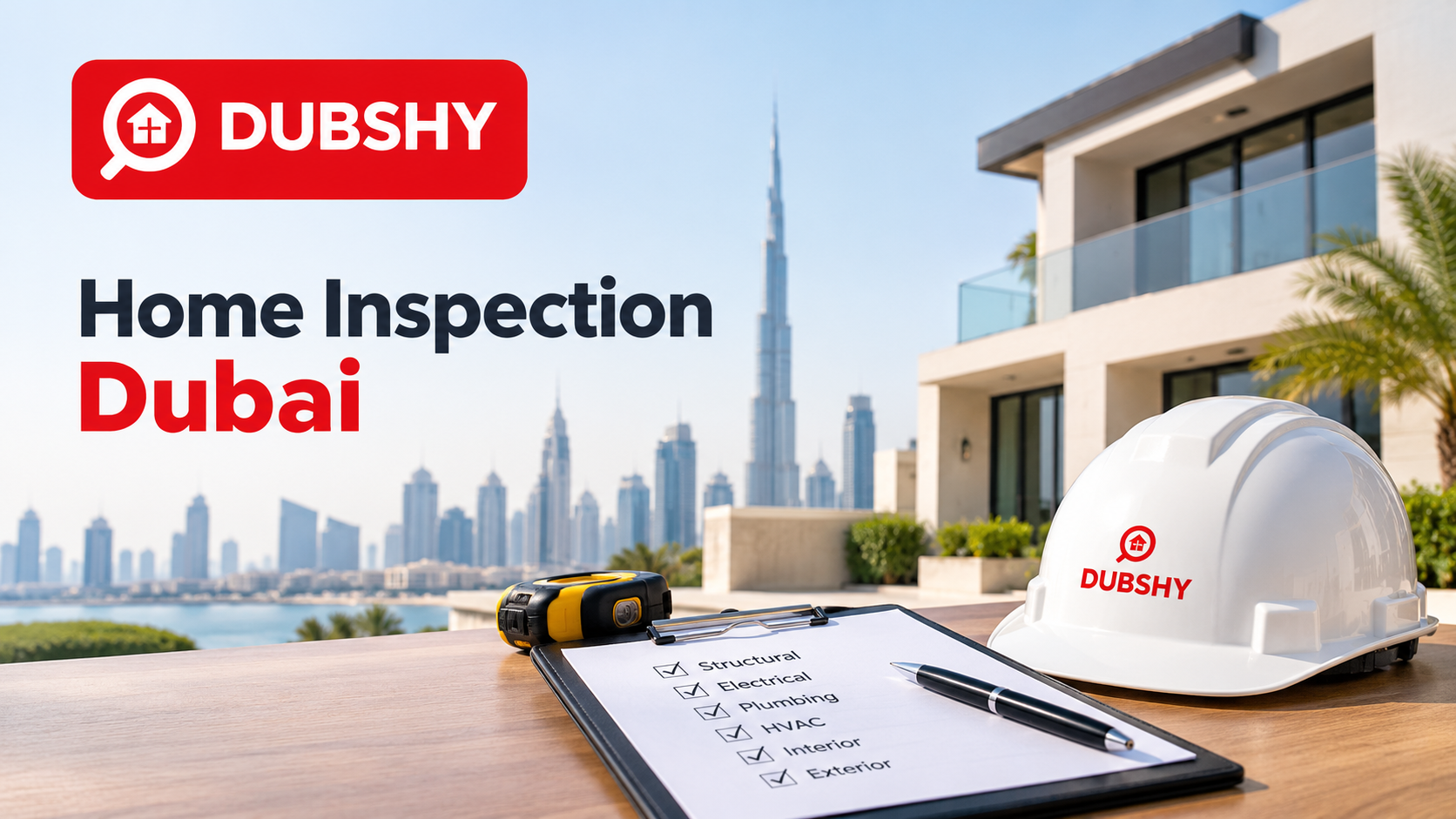
Buying a property in Dubai is a significant financial decision. Whether you are purchasing an apartment, villa, townhouse, or newly constructed home, understanding the property's actual condition is essential before completing the transaction. A professional Home Inspection Dubai service helps buyers identify visible defects, assess important building components, and understand which repairs may be needed before moving forward.
Dubai's property market includes modern high-rise apartments, luxury villas, newly handed-over developments, and older residential buildings. Although a property may look attractive during a viewing, hidden plumbing leaks, electrical faults, poor waterproofing, and air conditioning problems can create unexpected expenses. A detailed inspection provides a clearer picture of the property's condition and helps buyers make decisions based on evidence rather than appearance alone.
2. What Is a Home Inspection in Dubai?
A home inspection is a systematic assessment of a property's accessible components and visible condition. A qualified inspector examines important areas of the building to identify defects, maintenance concerns, and potential safety issues.
The inspection usually covers walls, ceilings, floors, doors, windows, plumbing fixtures, electrical components, air conditioning systems, and other accessible installations. The exact scope depends on the property type, its condition, and the services included in the inspection agreement.
Home Inspection for Different Property Types
Apartments: Inspections commonly focus on interior finishes, plumbing fixtures, electrical outlets, air conditioning performance, windows, doors, and signs of water leakage.
Villas and townhouses: These properties may require additional attention to roofs, terraces, external walls, drainage, boundary walls, outdoor areas, and accessible service installations.
Newly constructed properties: An inspection can identify finishing defects, damaged fittings, uneven surfaces, poorly aligned doors, and installation problems before handover.
Resale properties: Buyers can use an inspection to assess wear and tear, previous repair quality, moisture damage, and visible deterioration that may affect future maintenance costs.
3. Why Is Home Inspection Dubai Important?
A property viewing does not provide the same level of information as a structured inspection. Fresh paint, attractive flooring, and modern fixtures may improve a property's appearance without revealing underlying problems.
Identify Defects Before Purchase
An inspection can uncover concerns such as cracked tiles, damaged sealant, leaking taps, loose electrical fittings, and signs of moisture. Identifying these issues before finalizing a purchase gives buyers an opportunity to investigate further and discuss appropriate solutions.
Understand Potential Repair Costs
A property with several defects may require additional spending after purchase. An inspection report helps buyers distinguish between minor maintenance tasks and issues that may need specialist assessment. Although an inspector may identify concerns, obtaining accurate repair estimates usually requires quotations from relevant contractors.
Improve Property Negotiations
Documented findings can support discussions with the seller about repairs, maintenance responsibilities, or the property's overall condition. The inspection does not guarantee a price reduction, but it gives buyers clearer information when deciding how to proceed.
Support Long-Term Property Maintenance
Inspection findings can also help homeowners prepare a maintenance plan. Addressing minor problems early may prevent further deterioration, particularly where moisture, drainage, or poorly maintained sealant is involved.
4. What Does a Professional Home Inspection Cover?
The inspection checklist varies by property, but several major areas deserve careful attention.
Walls, Ceilings, and Floors
Inspectors look for visible cracks, uneven surfaces, damaged paint, loose tiles, and signs of water penetration. Cracks should be assessed according to their appearance, location, and severity. A visual inspection alone cannot confirm whether a crack is structural.
Ceilings and wall corners deserve particular attention because staining, bubbling paint, or discoloration may indicate moisture problems.
Plumbing and Water Systems
Plumbing checks may include taps, toilets, sinks, accessible pipes, drainage, water pressure, and visible leakage. Inspectors may also examine sealant around showers and bathtubs.
In Dubai, where cooling systems and water installations are used extensively, identifying leaks early can help reduce the risk of damage to cabinets, ceilings, walls, and flooring.
Electrical Components
An inspector may examine accessible switches, sockets, distribution boards, and visible electrical installations within the agreed scope. Damaged outlets, exposed wiring, or signs of overheating require appropriate attention.
A standard home inspection is not necessarily a full electrical compliance test. Suspected faults should be assessed by a qualified electrician.
Air Conditioning and Ventilation
Air conditioning is particularly important in Dubai's hot climate. An inspection may include operating the system, checking accessible controls, observing airflow, and looking for visible drainage or insulation problems.
Weak airflow, unusual noises, unpleasant odors, or water around an indoor unit may indicate maintenance requirements. A visual inspection cannot always determine the condition of concealed ductwork or internal mechanical components.
Doors, Windows, and Waterproofing
Doors and windows should open and close properly, with locks and handles operating as intended. Inspectors may check visible seals, frames, and signs of water intrusion.
Balconies, bathrooms, terraces, and other wet areas deserve attention because damaged waterproofing can cause costly repairs. Confirming the condition of concealed waterproofing membranes may require specialized testing.
5. How the Home Inspection Process Works
Understanding the process helps buyers prepare for an efficient inspection.
Step 1: Book the Inspection
Provide the property's location, type, approximate size, and current condition. Explain whether the property is newly built, recently handed over, or previously occupied.
Step 2: Conduct the On-Site Assessment
The inspector examines accessible areas and tests components where safe and permitted. Buyers should arrange access to the property and ensure that utilities are available if functional testing is included.
Step 3: Document the Findings
The inspector records visible defects, often with photographs and written descriptions. Clear documentation helps property owners understand the location and nature of each concern.
Step 4: Review the Inspection Report
A useful report identifies defects, explains their likely significance, and indicates where further assessment may be necessary. Buyers should ask questions about unclear findings before deciding which issues require immediate attention.
Step 5: Arrange Repairs or Specialist Checks
Depending on the findings, the next step may involve a plumber, electrician, air conditioning technician, waterproofing specialist, or structural engineer. Significant concerns should be investigated before the buyer commits to expensive repairs.
6. Home Inspection for New Properties and Handover
New properties are not automatically free from defects. Construction finishing, installation, and commissioning issues can remain even when a home appears complete.
A pre-handover inspection can identify problems such as scratched glass, chipped tiles, misaligned cabinets, damaged paint, loose handles, poor silicone finishing, and drainage concerns.
Buyers should compare inspection findings with the developer's handover procedures and applicable contractual requirements. Ask how defects should be recorded, reported, and addressed, and retain copies of relevant communications.
For existing homes, the inspection should focus more broadly on the property's current condition, visible deterioration, maintenance history where available, and potential repair requirements.
7. Practical Benefits and Key Insights
A professional Home Inspection Dubai service can provide several practical benefits:
-
Better purchasing decisions: Understand visible defects before committing to the property.
-
Improved budgeting: Identify repairs that may require immediate spending.
-
Clearer documentation: Keep photographs and written records of observed problems.
-
More informed negotiations: Discuss specific defects rather than relying on general concerns.
-
A maintenance starting point: Use the report to prioritize repairs after moving in.
For the best results, arrange the inspection early enough to review the findings before relevant transaction or handover deadlines. Confirm what the service includes, whether specialist tests are available, and whether a follow-up inspection is offered.
8. Common Challenges and Considerations
Hidden Defects
Some problems remain concealed behind walls, ceilings, flooring, or fixed equipment. A standard inspection generally focuses on accessible areas and should not be treated as a guarantee that every defect will be discovered.
Access Restrictions
Locked rooms, inaccessible rooftops, unavailable utilities, or restricted building areas can limit the inspection. Ask the inspector to document any areas that could not be examined.
Inspection Scope
Not every inspection includes thermal imaging, moisture mapping, sewer-camera testing, structural engineering assessments, or detailed electrical testing. Confirm the scope before booking.
Choosing a Suitable Inspector
Review the inspector's experience, qualifications, reporting process, insurance arrangements where applicable, and familiarity with the property's type. Check the relevant licensing or authorization requirements and request a sample report if available.
Remember that a home inspection is a condition assessment, not a property valuation, legal title search, or guarantee of future performance.
9. Frequently Asked Questions
1. How much does Home Inspection Dubai cost?
The cost depends on property size, type, location, inspection scope, and additional testing requirements. Request a written quotation that clearly explains the included services and any extra charges.
2. How long does a home inspection take?
The duration varies according to the property's size, complexity, accessibility, and condition. A larger villa generally requires more time than a small apartment. Ask the provider for an estimated inspection and reporting timeline.
3. Should I inspect a newly built property?
Yes. New properties can contain finishing defects, installation issues, or drainage problems. A pre-handover inspection helps identify visible concerns before the handover process is completed.
4. Can a home inspection identify hidden water leaks?
An inspector may identify signs of leakage through staining, moisture readings, visible damage, or other observations when appropriate equipment is included. However, concealed leaks may require specialist investigation.
5. When should I book a home inspection in Dubai?
For a resale property, arrange it as early as practical during the purchase process, subject to the seller's permission and contractual deadlines. For a new property, consider an inspection before handover so that documented defects can be discussed with the developer.
10. Conclusion
Home Inspection Dubai is an important step for buyers who want a clearer understanding of a property's condition before purchasing or accepting handover. By examining accessible building components, identifying visible defects, and documenting maintenance concerns, an inspection can help reduce uncertainty and support better financial decisions.
The most useful inspection is one that matches the property's type, covers clearly defined areas, and provides a detailed report with photographs and practical recommendations. Buyers should also understand the limitations of visual assessments and arrange specialist investigations when serious concerns arise.
Whether you are purchasing an apartment, a villa, or a newly completed home, a professional inspection provides valuable information for evaluating the property, planning repairs, and protecting your investment over the long term.

 English
 Arabic
 French
 Spanish
 Portuguese
 Deutsch
 Turkish
 Italiano
 Russian
 Romaian
 Portuguese (Brazil)
 Greek
