


How Calgary’s Winter Can Affect an Unused Car
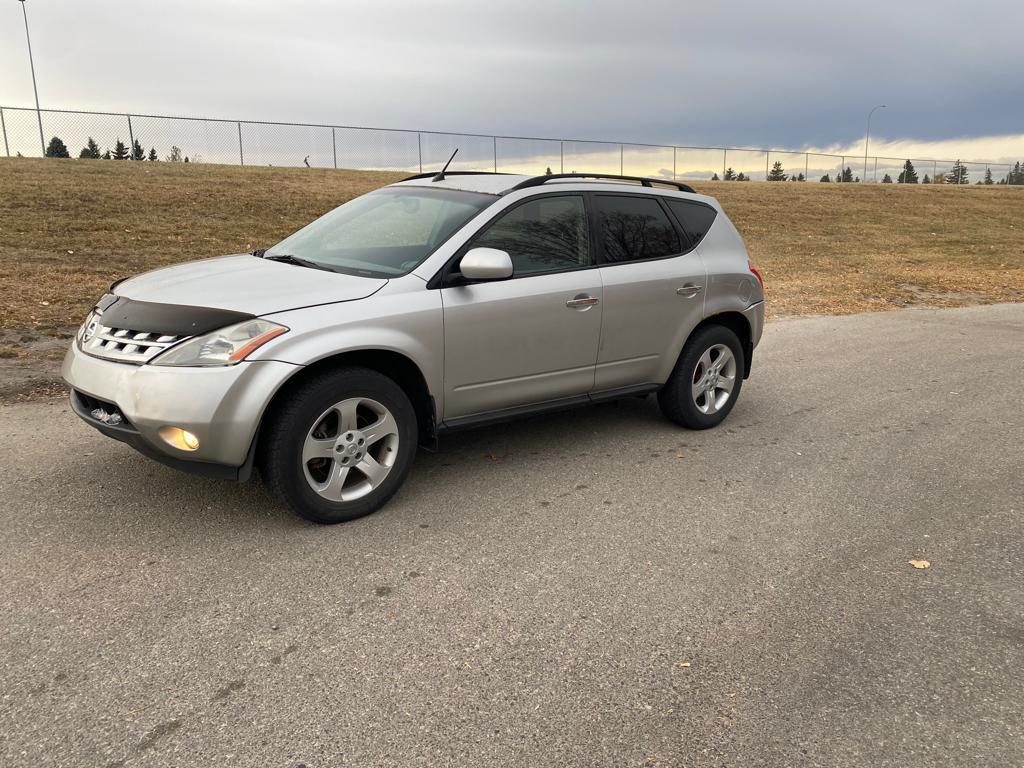
Calgary winters can be tough on vehicles, even when they are driven regularly. But what happens when a car sits unused in a driveway, garage, or parking stall for weeks or months? Cold temperatures, road salt, snow, and repeated freeze-thaw cycles can gradually create problems that make the vehicle more expensive to repair.
An unused car might seem perfectly fine when you park it in the fall. By the time spring arrives, however, you could discover a dead battery, rusty brake components, low tire pressure, or an engine that refuses to start. These problems can become even more frustrating when the vehicle was already old or had mechanical issues before winter began.
Understanding how Calgary's winter weather affects a parked vehicle can help you protect its remaining value, avoid unnecessary repair costs, and decide whether keeping it makes financial sense.
1. Cold Temperatures Can Drain an Unused Car Battery
One of the most common winter problems is a dead battery. Low temperatures reduce a battery's ability to deliver power, while starting an engine requires more energy in cold weather because the engine oil becomes thicker.
If your car sits unused for several weeks, the battery may gradually lose its charge. Modern vehicles also consume small amounts of electricity while parked to maintain security systems, clocks, and onboard computers.
A weak battery that worked during warmer months may struggle to start the engine after a prolonged Calgary cold snap.
What can you do?
-
Start by checking the battery's age and overall condition.
-
Have a weak battery tested before spending money on a replacement.
-
If the vehicle will remain parked, consider a compatible battery maintainer and follow the manufacturer's instructions.
-
Keep battery terminals clean and check for visible corrosion.
-
Avoid repeatedly attempting to start a vehicle with a severely discharged battery.
If the car already has expensive mechanical problems, replacing the battery may not be the most sensible investment. Compare the likely repair costs with the vehicle's current value before deciding how to proceed.
2. Road Salt and Moisture Can Accelerate Rust
Calgary's winter conditions can expose vehicles to road salt, moisture, and changing temperatures. These factors can accelerate corrosion, particularly underneath a car and around areas where water and road grime collect.
When a vehicle is driven, it may accumulate salt and dirt on its underbody, suspension components, brake lines, and wheel wells. If it is then parked for an extended period without being cleaned, that contamination can remain in place.
Older vehicles with existing rust may be especially vulnerable. Corrosion can affect the appearance of body panels, weaken certain components, and make future repairs more expensive.
If you are already concerned about an aging vehicle, exploring your options through cash for cars in Calgary can help you compare selling it with the cost of keeping and repairing it.
Practical tip: Before winter storage, remove accumulated road salt when conditions allow, and inspect accessible areas for rust. If you discover serious corrosion around structural components or brake lines, have a qualified mechanic assess the vehicle before driving it again.
3. Tires Can Lose Pressure While the Car Sits
Cold weather causes tire pressure to decrease. As temperatures fall, the air inside your tires contracts, meaning a vehicle that had correctly inflated tires in autumn may have underinflated tires during winter.
Leaving a car stationary for months can introduce another issue: prolonged pressure on the same areas of the tires. Depending on the tires' condition, temperature, and storage conditions, temporary flat spots may develop. Older or damaged tires may also deteriorate while the vehicle remains parked.
Underinflated tires can affect handling, increase wear, and make the vehicle less safe to drive.
To reduce these risks:
-
Check tire pressure using a reliable gauge.
-
Follow the pressure listed on the vehicle's door-jamb label rather than the maximum printed on the tire.
-
Inspect for cracks, bulges, and visible damage.
-
Move the vehicle periodically only when it is safe and road conditions permit.
-
Never drive on a tire that is visibly damaged or dangerously underinflated.
If the car has been sitting all winter, inspect the tires before attempting to drive it. Do not assume they are roadworthy simply because they still hold air.
4. Brakes Can Develop Rust and Sticking Problems
Brake components are exposed to moisture, and surface rust can develop on brake rotors when a vehicle remains parked. A light film of rust may disappear during normal braking, but prolonged exposure, heavy corrosion, or sticking components can create more serious problems.
Parking outdoors through repeated snowfalls and temperature changes can increase exposure to moisture. Vehicles with existing brake issues may require particular attention after an extended period of inactivity.
You might notice grinding noises, unusual resistance, a pulling sensation, or a parking brake that does not release properly. These symptoms should not be ignored.
Before driving an unused vehicle again, inspect the brakes and have them checked by a qualified mechanic if you notice unusual behaviour. Do not attempt to force a seized vehicle to move, as doing so may cause further damage.
For an older car that needs several brake repairs along with other maintenance, calculate the total cost before investing in parts and labour.
5. Engine Fluids and Rubber Components Need Attention
Cold weather can affect how engine fluids behave. Engine oil becomes thicker at low temperatures, making cold starts more demanding. Coolant must also be suitable for the temperatures the vehicle may experience.
A car that sits unused for a long period can develop problems unrelated to the weather itself, including fluid leaks, deteriorating hoses, and aging seals. Rubber components may become brittle with age and exposure to changing conditions.
Before returning an unused vehicle to the road, check for visible fluid leaks and review the manufacturer's maintenance recommendations.
Pay attention to:
-
Engine oil level and condition.
-
Coolant level and the appropriate antifreeze protection.
-
Signs of oil or coolant leaking beneath the car.
-
Cracked or visibly damaged hoses.
-
Warning lights or unusual noises when the engine starts.
Never remove a radiator cap while the cooling system is hot, and do not open pressurised systems without the proper precautions.
If the vehicle has been sitting for many months, a professional inspection is safer than assuming that everything is ready to go.
6. Snow and Ice Can Cause Additional Damage
Snow accumulating around an unused car may seem harmless, but winter exposure can create several practical problems.
Repeated melting and refreezing can leave moisture around doors, seals, wheel wells, and other exposed areas. Ice can make access difficult, while heavy accumulation may conceal existing damage or make it harder to inspect the vehicle.
If the car is parked beneath a roof edge or near trees, falling ice, branches, or accumulated snow may also cause damage.
Whenever possible, park on a suitable surface and keep the area around the vehicle clear. Remove snow carefully, avoiding forceful scraping against painted surfaces or brittle plastic components.
If the car is already damaged or non-running, make sure it does not obstruct snow removal or create a hazard in your driveway or parking area.
7. Interior Damage Can Develop During Long Storage
Winter does not only affect a vehicle's mechanical systems. The interior can also suffer when a car remains unused.
Moisture entering through damaged window seals, a leaking sunroof, or blocked drainage channels can lead to damp carpets, unpleasant odours, and potentially mould growth. Temperature changes may also contribute to condensation inside the vehicle.
Rodents may seek shelter in parked cars, particularly when vehicles remain undisturbed for extended periods. They can damage wiring, insulation, and other components.
To reduce these risks, inspect the cabin for dampness, remove rubbish and food, and check for signs of pests. Ensure that the vehicle is stored securely and that any moisture problem is addressed promptly.
Avoid leaving wet floor mats or snow-covered items inside the car. If you discover significant water intrusion or damaged wiring, arrange an appropriate inspection before using the vehicle again.
8. Decide Whether Winter Repairs Are Worth the Money
Not every unused car deserves another round of repairs. Sometimes a dead battery is the only issue. In other cases, winter reveals a combination of corrosion, brake problems, worn tires, and existing engine trouble.
The important thing is to assess the entire situation rather than fixing one problem at a time without considering the total cost.
Ask yourself three questions:
What will it cost to make the vehicle safe and reliable?
Get estimates for essential repairs, including any work required to pass an applicable inspection.
What is the vehicle worth after those repairs?
Compare its likely resale value with the total amount you would spend. Remember that additional problems may appear after the initial repairs.
Will I actually use the car again?
If you have another vehicle and have not driven the old one for months, paying for storage, repairs, insurance, and maintenance may not be worthwhile.
For a vehicle that has reached the end of its useful life, scrap car removal in Calgary is an option to compare against continued repairs. You can request an offer and check the collection arrangements before deciding whether to keep the vehicle.
9. How to Prepare an Unused Car for Calgary's Winter
If you plan to keep your car off the road during winter, a little preparation can reduce the risk of avoidable problems.
Use this checklist before temperatures drop:
-
Check the battery and charging system.
-
Ensure the coolant is appropriate for winter temperatures.
-
Inflate the tires to the recommended pressure.
-
Address existing fluid leaks and mechanical faults.
-
Clean away accumulated road salt.
-
Remove food and rubbish from the interior.
-
Protect the vehicle from moisture where practical.
-
Follow the manufacturer's recommendations for extended storage.
-
Keep ownership documents and spare keys in a safe place.
If you intend to store the vehicle for several months, consult its owner's manual for model-specific storage instructions. Avoid starting the engine briefly and letting it idle without a clear reason, because short running periods may not bring it to full operating temperature or adequately recharge the battery.
Final Thoughts
Calgary's winter weather can make an unused car more difficult and expensive to maintain. Cold temperatures can weaken batteries, moisture and road salt can accelerate corrosion, tires can lose pressure, and prolonged inactivity may expose existing mechanical problems.
The best response depends on the vehicle's condition and your plans for it. If you intend to drive it again, proper storage and a thorough inspection can help prevent avoidable trouble. If repair costs are climbing and the car has little remaining practical value, selling it may be the more sensible decision.
Before spending money on an unused vehicle, compare the cost of keeping it with its current value and your future need for it. Making that decision before another Calgary winter takes its toll can save money, free up parking space, and prevent a manageable problem from becoming a much larger one.

 English
 Arabic
 French
 Spanish
 Portuguese
 Deutsch
 Turkish
 Dutch
 Russian
 Romaian
 Portuguese (Brazil)
 Greek
