


What Should You Consider Before Stripping a Vehicle for Parts?
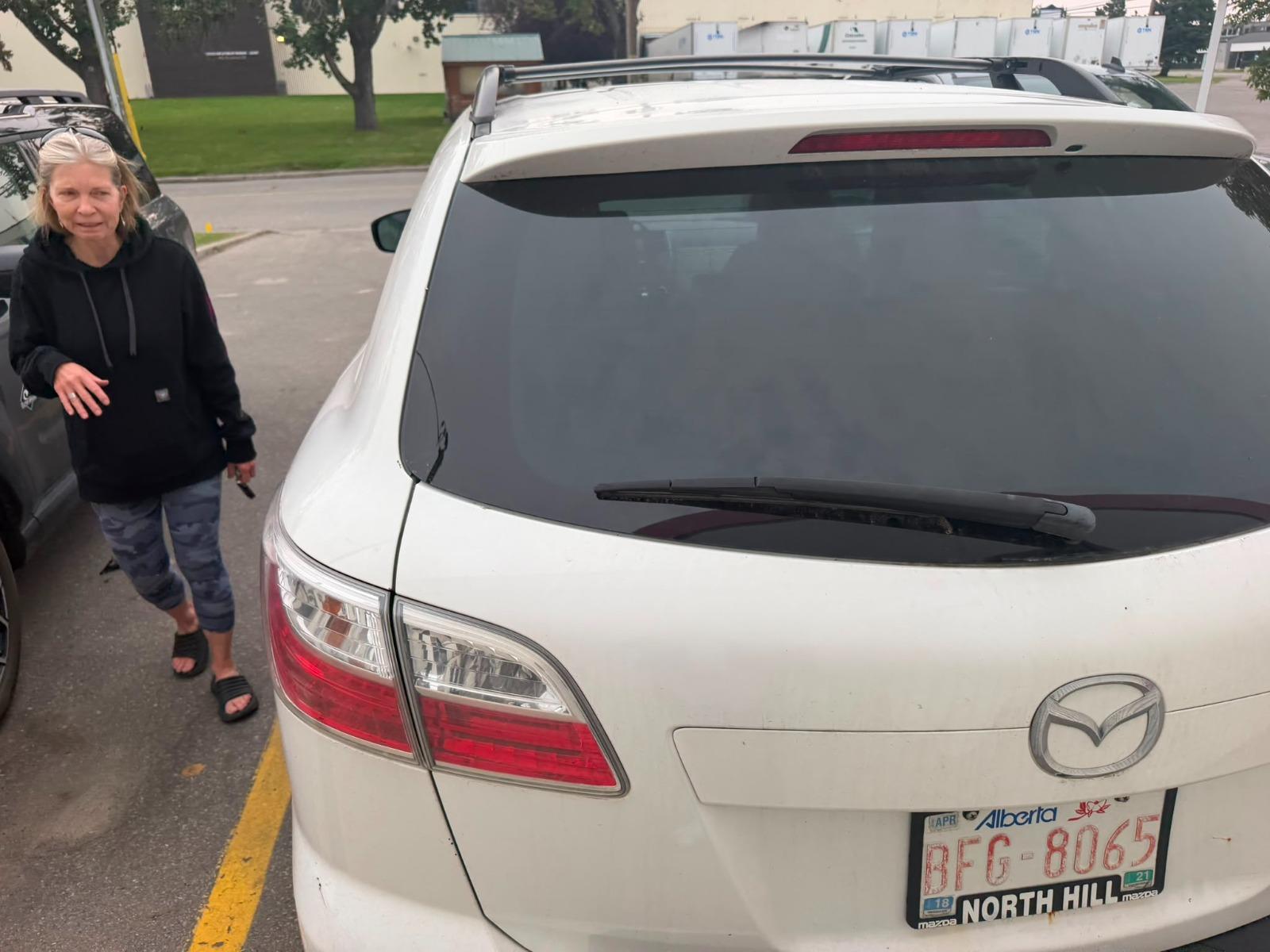
When an old car stops being reliable, selling it whole is not the only option. You might be able to remove usable components and sell them individually to drivers, mechanics, and repair shops. An engine, transmission, alternator, headlights, wheels, or interior parts may still have value even when the vehicle itself is no longer roadworthy.
However, stripping a vehicle for parts is not as simple as taking everything apart and waiting for buyers. Some components sell quickly, while others can sit in your garage for months. You also need to consider tools, labour, storage, safety, disposal costs, and what will happen to the remaining vehicle shell.
The best approach is to treat the process like a small business decision rather than an automatic way to make extra money. Before removing a single component, here are the most important factors to evaluate.
1. Determine Which Parts Are Actually Worth Selling
The first step is identifying which components have realistic resale potential. A vehicle may contain dozens of usable parts, but not all of them will attract buyers or generate enough money to justify removing them.
Start by inspecting the vehicle's overall condition and creating a list of potentially valuable components.
-
Engine and transmission: These may attract buyers if they are functional, compatible with popular vehicles, and supported by reliable information about their condition.
-
Wheels and tires: Alloy wheels and usable tires can be appealing to drivers seeking affordable replacements.
-
Headlights and taillights: Replacement lighting components may sell well when they are undamaged and suitable for commonly driven models.
-
Body panels: Doors, mirrors, bumpers, and fenders can be useful to people repairing collision damage.
-
Electrical components: Alternators, starters, window switches, and selected control modules may have resale value if their compatibility is known.
-
Interior parts: Seats, trim pieces, infotainment systems, and other accessories may be worth recovering when they remain in good condition.
Do not assume that an expensive new component will command a high price when used. Buyers usually consider the part's age, condition, availability, and replacement cost.
Research listings for the same make, model, year, and engine configuration. Compare similar used components and look for evidence of actual demand. Your goal is to identify parts that people are likely to purchase, not simply parts that look valuable.
2. Check the Vehicle's Condition Before Dismantling It
A vehicle that no longer starts may still contain many valuable components. However, knowing why it stopped running can help you decide what is worth recovering.
For example, a car with a failed transmission might still have a functioning engine, usable body panels, and undamaged interior components. Conversely, a vehicle that suffered extensive flood damage may have electrical problems affecting parts that initially appear usable.
Before stripping anything, consider the following questions:
-
Does the engine turn over, and is its operating condition known?
-
Is the transmission damaged or potentially reusable?
-
Are the wheels, lights, seats, and body panels intact?
-
Has the vehicle experienced flooding, fire, or severe corrosion?
-
Are important electronic components known to work?
-
Can you verify part numbers and compatibility?
If the vehicle has been involved in a serious accident, inspect it carefully before assuming its components are safe to reuse. When the condition of an expensive part is uncertain, avoid advertising it as fully functional without appropriate testing.
Accurate information helps prevent disputes, returns, and wasted effort. It also allows you to estimate the likely value of the vehicle more realistically.
3. Calculate the Expected Profit Before Spending Money
One of the biggest mistakes people make when dismantling an old car is calculating potential revenue without considering the expenses involved.
Suppose you believe individual components could generate $1,500 in sales. That figure might sound attractive, but your actual return could be considerably lower after accounting for equipment, supplies, labour, storage, and disposal.
Consider this hypothetical example:
| Item | Estimated amount |
|---|---|
| Potential parts sales | $1,500 |
| Tools and dismantling supplies | -$150 |
| Cleaning and packaging | -$100 |
| Storage and disposal expenses | -$200 |
| Estimated remaining amount | $1,050 |
These figures are illustrative, not guaranteed resale values. They also exclude the value of your time and any parts that never sell.
If dismantling, photographing, listing, and delivering components takes 35 hours, that remaining amount represents $30 per hour before accounting for unsold inventory and other overlooked expenses.
Now consider an important question: what if somebody would purchase the complete vehicle for a reasonable amount without requiring you to dismantle it?
Comparing a whole-car offer with your expected net earnings can reveal whether the extra work makes financial sense. For vehicle owners in Calgary, checking the options available through cash for cars in Calgary can provide a useful benchmark before committing to a dismantling project.
Getting an offer first gives you a comparison point. You can then decide whether the potential additional earnings justify the work.
4. Make Sure You Have Enough Storage Space
Storage is one of the most underestimated challenges when stripping a vehicle for parts.
A complete car occupies one defined space. Once dismantled, however, it can become a collection of engines, transmissions, doors, bumpers, wheels, seats, electrical components, and small accessories that all need somewhere to go.
Large components can quickly consume your garage or workshop. Smaller items require labelled containers to prevent them from being mixed up. Body panels need protection from scratches, and electronic components should be stored in suitable conditions.
Before starting, establish where each category of parts will be kept.
Consider these practical requirements:
-
A dry, secure area for valuable electrical components.
-
Adequate room for large mechanical parts.
-
Shelving or labelled containers for smaller items.
-
Safe equipment for moving heavy components.
-
Enough working space to dismantle the vehicle without creating hazards.
Also consider how long you can realistically store everything. If your garage is needed for everyday parking or your driveway cannot accommodate a dismantled vehicle, storage could quickly become more expensive than expected.
A part that eventually sells for $100 might not be worth keeping for six months if it prevents you from using valuable space for other purposes.
5. Understand the Time and Tools Required
Stripping a vehicle takes more than mechanical enthusiasm. You need appropriate tools, practical knowledge, and a realistic understanding of how long the job will take.
Some components are relatively straightforward to remove. Others may be seized by corrosion, hidden behind surrounding parts, or connected to complex electrical and mechanical systems.
You may also need equipment for lifting, supporting, and moving heavy components safely. Improvised methods can lead to serious injuries or expensive damage.
Remember that dismantling is only one part of the process. After removing each component, you may need to:
-
Clean it and inspect its condition.
-
Record its part number and compatibility details.
-
Take clear photographs from several angles.
-
Create a listing with an accurate description.
-
Respond to enquiries and negotiate with buyers.
-
Package the item or arrange collection.
-
Handle questions, returns, or complaints when necessary.
These tasks can take longer than the actual removal work, particularly when buyers need additional information.
Safety is essential throughout the process. Vehicles may contain fuel, hazardous fluids, heavy components, airbags, and pressurised systems. Do not dismantle potentially dangerous components without suitable training and equipment. Never work beneath a vehicle supported only by a jack.
If you lack the experience or equipment for major mechanical work, consider whether the potential profit justifies hiring a qualified professional.
6. Research Buyer Demand Before Removing Anything
Having a useful part does not guarantee that someone will buy it.
Demand depends on the vehicle's popularity, the availability of replacement components, the part's condition, and the price you are asking. Parts for common models may attract more potential buyers, while components for uncommon vehicles can be difficult to sell.
Research local listings and specialist parts marketplaces before starting. Look for the following information:
-
How much similar used parts are selling for.
-
Whether buyers are looking for your specific model.
-
How many comparable listings already exist.
-
Whether the component is expensive or difficult to source new.
-
Whether shipping or collection will be practical.
Be realistic about your asking prices. A used component priced close to a new replacement may struggle to attract interest unless it offers a particular advantage.
You should also consider the possibility that some components will never sell. Build that risk into your calculations instead of assuming every item will generate income.
A sensible strategy is to identify a few high-demand parts first and estimate their combined resale value. If those components alone do not justify the work, dismantling the entire vehicle may not be worthwhile.
7. Consider Environmental Responsibilities and the Remaining Car
Stripping a vehicle does not eliminate the need to dispose of the remaining materials responsibly.
Cars contain engine oil, coolant, brake fluid, fuel, batteries, refrigerants, and other materials that may require specialised handling. Improper disposal can contaminate soil and water, create safety risks, and violate applicable regulations.
Metal components, tires, batteries, and electronic equipment may also need to be separated for appropriate recycling.
Another important consideration is the vehicle shell. After removing valuable parts, you still need a plan for collecting and processing what remains. Removing wheels, suspension components, or other essential parts can make the vehicle more difficult to move.
Before dismantling, research local disposal requirements and determine whether a recycler will accept the incomplete vehicle. Be transparent about which components have already been removed, because missing parts can affect the final offer.
If the vehicle is already at the end of its useful life, professional scrap car removal in Calgary may be worth comparing with the cost and effort of dismantling it yourself. Check the collection arrangements, payment terms, and paperwork before agreeing to the service.
Planning for the remaining shell from the beginning can prevent a situation where your driveway is occupied by a vehicle that is difficult or expensive to remove.
8. Check Ownership Documents and Legal Requirements
Before selling any vehicle or its components, make sure you have the legal authority to do so.
If the car belongs to someone else, is part of an estate, or has an outstanding loan or lien, additional documentation or permission may be necessary. Do not assume that possessing the keys automatically gives you the right to dismantle and sell it.
Keep relevant ownership records and receipts, and make sure any sale complies with applicable local requirements.
You should also avoid selling stolen, restricted, or improperly obtained components. Certain parts may require additional checks or documentation, depending on local rules and the type of component involved.
Sorting out ownership and paperwork before beginning can prevent delays after you have already invested time and money in the project.
9. Use This Checklist Before Making Your Decision
Before stripping your vehicle, ask yourself these practical questions:
-
Have I identified several components with genuine resale potential?
-
Do I know their likely selling prices and condition?
-
Have I calculated equipment, storage, labour, and disposal costs?
-
Do I have the tools and skills needed to remove parts safely?
-
Is there enough space to store everything securely?
-
Have I considered the possibility of unsold parts?
-
Do I have a plan for recycling or removing the remaining shell?
-
Have I compared the expected profit with an offer for the complete vehicle?
If several answers are uncertain, spend more time researching before dismantling anything. A short planning stage can save you from turning an unwanted car into a long-term storage problem.
Final Thoughts
Stripping a vehicle for parts can make financial sense when it contains desirable components, there is genuine buyer demand, and you have the space, time, and equipment to manage the process.
However, the potential resale value of individual parts is only one piece of the puzzle. Labour, storage, safety, disposal, paperwork, and the possibility of unsold components all influence your final return.
The smartest decision is to compare realistic parts revenue with the value of selling the complete vehicle before picking up your tools. If dismantling offers a worthwhile additional return and you can manage the work safely, it may be a rewarding project. If the difference is small, selling the vehicle intact could save time, reduce hassle, and free up valuable space.
Ultimately, the goal is not to remove as many parts as possible. It is to choose the option that delivers the best practical return without creating unnecessary expense or complications.

 English
 Arabic
 French
 Spanish
 Portuguese
 Deutsch
 Turkish
 Dutch
 Italiano
 Russian
 Portuguese (Brazil)
 Greek
