


How Long Do Kirkland Sleep Aid Tablets Take to Work?
After a long and exhausting day, getting into bed should feel relaxing. However, occasional sleeplessness can make even the simplest bedtime routine frustrating. You may feel physically tired but still struggle to fall asleep.
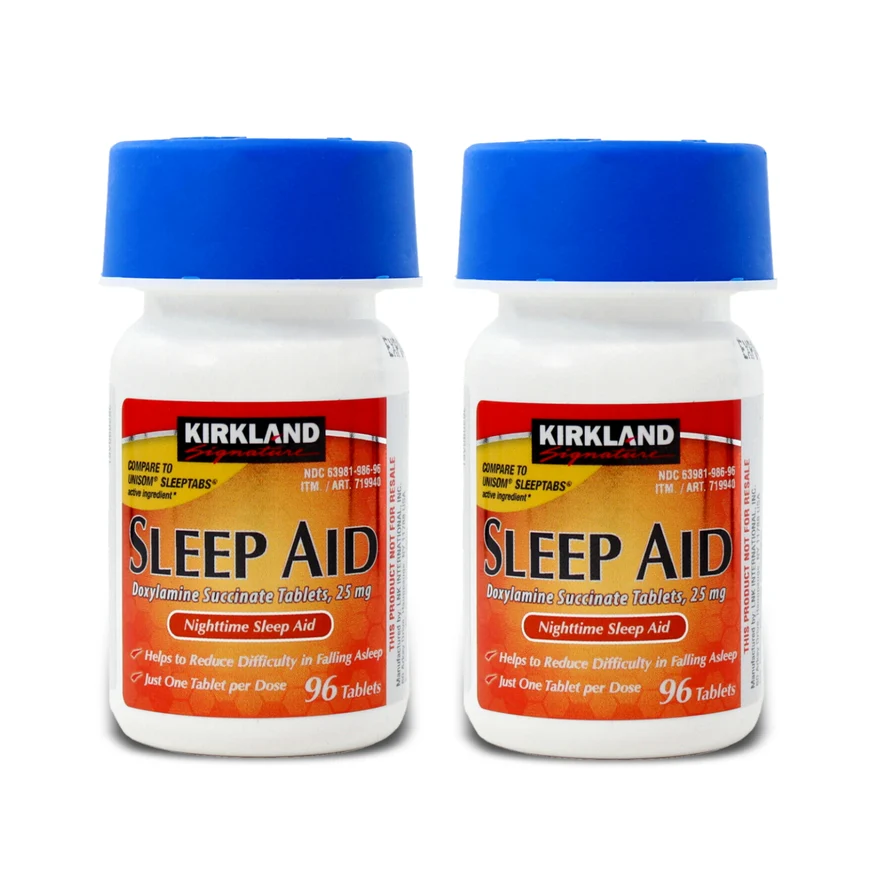
For people exploring temporary nighttime sleep support, kirkland sleep aid tablets are one option that often comes up during product research.
One of the most common questions is how quickly these tablets begin working. Understanding their ingredients, recommended timing, and potential side effects can help people make informed decisions.
How Quickly Do Kirkland Sleep Aid Tablets Start Working?
Kirkland Sleep Aid Tablets are generally taken approximately 30 minutes before bedtime. This is the timing recommended on the US product label, although it does not guarantee that everyone will feel sleepy within exactly 30 minutes.
Some individuals may notice drowsiness sooner, while others may take longer to experience the effects.
The product contains doxylamine succinate, a sedating antihistamine used to temporarily relieve occasional difficulty falling asleep.
The important distinction is that the recommended time before bed is not an exact prediction of when someone will fall asleep.
A person's response can depend on their sensitivity to the medication, other medicines, sleep environment and underlying sleep difficulties.
What Makes Kirkland Sleep Aid Tablets Work?
Kirkland Signature Sleep Aid contains 25 mg of doxylamine succinate per tablet.
Doxylamine belongs to a group of medications called first-generation antihistamines. These medicines can enter the brain and block histamine H1 receptors.
Histamine is a natural chemical involved in helping the brain remain awake and alert.
By blocking certain histamine signals, doxylamine produces a sedating effect that may make falling asleep easier.
Unlike melatonin supplements, which involve a hormone associated with the body's sleep-wake cycle, doxylamine acts directly on histamine receptors.
However, it does not correct every possible cause of sleeplessness, particularly when sleep difficulties are related to an underlying medical condition.
What Factors Can Affect How Quickly Kirkland Sleep Aid Works?
Although the medicine has a recommended dosing schedule, individual responses are not always identical.
1. Individual Sensitivity
Some people are more sensitive to sedating antihistamines than others.
A person who experiences pronounced drowsiness may notice the effects differently from someone who has a weaker response.
2. Other Medications
Certain medicines can interact with doxylamine or increase its sedating effects.
Combining sleep medicines, antihistamines or other sedating medications without professional advice may increase the risk of unwanted reactions.
3. Your Sleep Environment
A noisy bedroom, bright lighting or uncomfortable temperature can make falling asleep difficult, even when a person feels drowsy.
Creating a suitable sleep environment may help support a more comfortable bedtime routine.
4. Caffeine and Daily Habits
Caffeine consumed late in the day may interfere with sleep.
Irregular schedules, stimulating activities and stressful evenings can also affect how easily someone settles down.
5. Underlying Sleep Problems
Occasional sleeplessness differs from chronic insomnia.
Persistent difficulty falling asleep may require a medical assessment rather than continued reliance on nighttime medication.
When Should You Take Kirkland Sleep Aid?
The US-labelled directions recommend taking one kirkland sleep aid pill approximately 30 minutes before bedtime for adults and children aged 12 years and older.
The label specifies one 25 mg tablet once daily, unless otherwise directed by a doctor.
Important precautions include:
-
Take the medication only at bedtime.
-
Use it only when there is time for a full night's sleep.
-
Do not take additional tablets because sleep has not occurred immediately.
-
Avoid alcohol while taking the medication.
-
Do not drive or operate machinery while affected by drowsiness.
Children younger than 12 years should not use this product.
Australian consumers should confirm the applicable directions and suitability with a pharmacist rather than assuming US-labelled instructions override local medical advice.
How Long Do Kirkland Sleep Aid Effects Last?
Doxylamine can remain active in the body for several hours.
Because the medication has a relatively long elimination half-life, some people may experience drowsiness beyond their intended sleeping period.
This is why allowing sufficient time for a full night's sleep matters.
The medication is intended to help people fall asleep, but it should not be viewed as a guarantee of uninterrupted sleep throughout the night.
People who regularly wake feeling unusually tired, dizzy or mentally sluggish after taking a sleep aid should discuss those symptoms with a healthcare professional.
Can Kirkland Sleep Aid Cause Next-Day Drowsiness?
Yes. Next-day drowsiness is an important consideration with doxylamine.
Even after waking, some individuals may experience:
-
Reduced alertness
-
Slower reaction times
-
Difficulty concentrating
-
Dizziness
-
A lingering feeling of tiredness
Other possible adverse effects include dry mouth, constipation, blurred vision and difficulty urinating.
Older adults may be particularly vulnerable to anticholinergic effects, confusion and falls.
Anyone experiencing troublesome side effects should seek medical advice before using the medication again.
What Should You Do If Kirkland Sleep Aid Does Not Work?
If you do not fall asleep as expected, do not automatically take another tablet.
Taking more than the recommended amount may increase the risk of excessive sedation and other adverse effects.
Instead, consider whether factors such as caffeine intake, stress, bedroom conditions or an irregular sleeping schedule may be contributing.
If sleep difficulties continue, speak with a healthcare professional.
The product label advises stopping use and consulting a doctor when sleeplessness persists continuously for more than two weeks.
Long-term sleep difficulties may benefit from treatments such as cognitive behavioural therapy for insomnia (CBT-I).
What Should Australians Know Before Buying Kirkland Sleep Aid?
Consumers researching sleep aid pills kirkland should review more than the number of tablets in a package.
Important details include the active ingredient, strength, expiry date, manufacturer information and relevant safety warnings.
Shopy Catch lists Kirkland Night Aid 25 mg in a 192-tablet pack for Australian customers.
However, a larger package does not mean the medication is suitable for regular or long-term use.
Buyers should also verify the medicine's Australian regulatory status and consult a pharmacist before purchasing or using an imported sleep medicine.
Frequently Asked Questions
Do Kirkland Sleep Aid Tablets Work in 30 Minutes?
The US label recommends taking a tablet 30 minutes before bedtime. This is recommended dosing timing, not a guarantee that drowsiness will begin within 30 minutes.
Can You Take Kirkland Sleep Aid Every Night?
The medicine is designed for occasional sleeplessness. Regular or prolonged use should be discussed with a healthcare professional, particularly when sleep problems continue.
Can You Take Another Tablet If the First Does Not Work?
No additional dose should be taken beyond the labelled directions unless specifically instructed by a doctor.
Is Kirkland Sleep Aid the Same as Melatonin?
No. Kirkland Sleep Aid contains doxylamine succinate, a sedating antihistamine. Melatonin is a hormone involved in regulating sleep-wake timing.
Can Kirkland Sleep Aid Make You Tired the Next Morning?
Yes. Residual drowsiness can occur, potentially affecting concentration, coordination and reaction times.
Final Thoughts
Kirkland Sleep Aid Tablets contain doxylamine succinate 25 mg and are intended to temporarily relieve occasional difficulty falling asleep.
The recommended dosing time is approximately 30 minutes before bedtime, but the actual onset of drowsiness varies.
Understanding the medication's timing, precautions and possible next-day effects is essential.
For ongoing sleep difficulties, identifying the underlying cause and obtaining professional advice are more appropriate than repeatedly increasing or extending sleep medication use.
Medical Disclaimer: This article provides general educational information and is not a substitute for professional medical advice. Always follow applicable product directions and consult a qualified healthcare professional before taking sleep medication, particularly if you have existing medical conditions or take other medicines.

 English
 Arabic
 French
 Spanish
 Portuguese
 Deutsch
 Turkish
 Dutch
 Russian
 Romaian
 Portuguese (Brazil)
 Greek
