


Pre-Surgery Care: Fasting Rules and Morning Medications for Your Pet
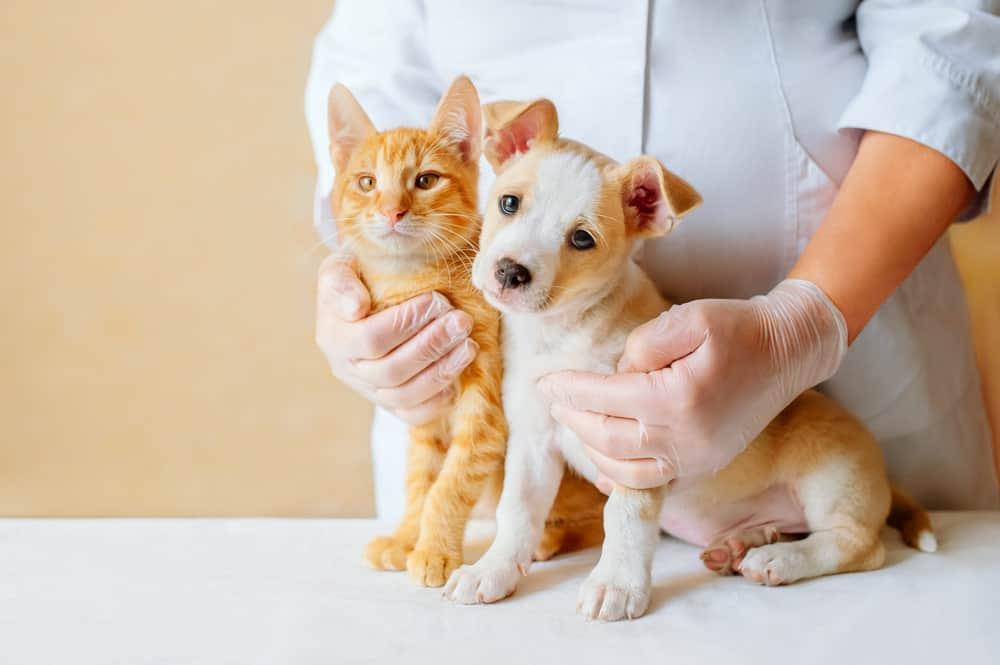
Preparing your pet for a surgical procedure can feel daunting, but proper pre-operative preparation is one of the most critical steps in ensuring a safe procedure and a smooth recovery. Among all pre-surgery instructions, guidelines around fasting and morning medications require strict adherence.
Understanding the clinical reasons behind these instructions helps ensure your pet is fully prepared for general anaesthesia and surgery.
1. Why Fasting Before Surgery Is Essential
General anaesthesia relaxes your pet’s muscles and suppresses natural reflexes, including the swallowing and airway protection reflexes. If a pet has food or excessive fluids in their stomach while under anaesthesia, several complications can occur:
-
Vomiting and Regurgitation: Anaesthetics often cause mild nausea or relax the lower oesophageal sphincter, allowing stomach contents to travel up the oesophagus.
-
Aspiration Pneumonia: If regurgitated material enters the lungs while a pet is unconscious, it can cause severe inflammation and lung infections known as aspiration pneumonia.
-
Accurate Anaesthetic Dosing: An empty stomach helps stabilize gastrointestinal function and ensures predictable absorption of pre-anaesthetic medications.
2. Standard Fasting Rules: Food and Water
While your local veterinary team will provide specific instructions tailored to your pet's age, breed, and health status, standard pre-operative fasting guidelines typically follow these timelines:
Withholding Food
-
Adult Dogs and Cats: Food is generally withheld from 8:00 PM to 10:00 PM the evening before surgery, ensuring a fasting period of approximately 8 to 12 hours.
-
Puppies and Kittens: Young animals under 4 to 6 months of age have lower glycogen reserves and can quickly develop low blood sugar (hypoglycaemia). Their food fasting period is usually reduced to 2 to 4 hours, strictly as advised by the vet.
-
Exotic Pets and Small Mammals: Rabbits, guinea pigs, and small rodents do not vomit and must never be fasted, as withholding food can trigger life-threatening gastrointestinal stasis.
Access to Water
-
Standard Guidance: Water is usually allowed until early the morning of surgery or until you leave home to drop off your pet at the clinic.
-
Exceptions: In certain specialized gastrointestinal or airway surgeries, water may need to be restricted earlier. Always confirm water restrictions with your clinic.
3. Morning Medications: What to Give and What to Hold
Managing regular medications on the morning of surgery requires explicit instruction from your veterinarian. Never administer or withhold medication based on assumption, as certain drugs interact directly with anaesthetics or affect blood pressure and blood clotting.
Common Guidelines for Daily Medications
| Medication Type | General Action Required | Clinical Reason |
| Heart / Blood Pressure Meds | Consultation Required | ACE inhibitors and blood pressure drugs can cause severe hypotension (low blood pressure) under general anaesthesia. |
| Insulin (Diabetic Pets) | Special Dose / Hold | Fasting alters blood glucose requirements. Giving a full dose without food can cause dangerous hypoglycaemia. |
| Seizure Medications | Usually Administered | Skipping anti-seizure medication increases the risk of breakthrough seizures during or after surgery. |
| Pain Relief / NSAIDs | Consultation Required | Non-steroidal anti-inflammatory drugs can impact kidney perfusion and stomach linings when combined with certain surgical drugs. |
How to Administer Allowed Medications
If your veterinarian instructs you to give a morning medication, administer it with the smallest possible amount of food (such as a tiny piece of wet food or soft treat) at least two hours before arriving at the clinic to ensure the stomach remains empty.
4. Pre-Surgery Checklist for Owners
To keep the admission process seamless on the day of surgery, follow these practical steps:
-
Lock Food Away: Keep all food bowls, treats, and scraps out of reach overnight. Inform all household members to prevent accidental feeding.
-
Keep Cats Indoors: Keep outdoor cats inside the night before surgery to ensure they do not hunt or find food elsewhere.
-
Walk Dogs Before Arrival: Allow your dog time to urinate and defecate before dropping them off at the clinic.
-
Bring Current Medications: Bring all daily prescription medications in their original containers to show the veterinary care team upon arrival.
Summary
Following pre-surgery fasting rules and clarifying morning medication schedules directly protects your pet from preventable anaesthetic risks. If you suspect your pet has accidentally eaten or drunk water outside the specified times, inform the clinic staff immediately upon arrival. Adjustments can easily be made to the surgery schedule to ensure your pet remains safe throughout the procedure.

 English
 Arabic
 French
 Spanish
 Portuguese
 Deutsch
 Turkish
 Dutch
 Italiano
 Russian
 Romaian
 Greek
