


Gearbox Problems Explained: Symptoms, Causes and Maintenance
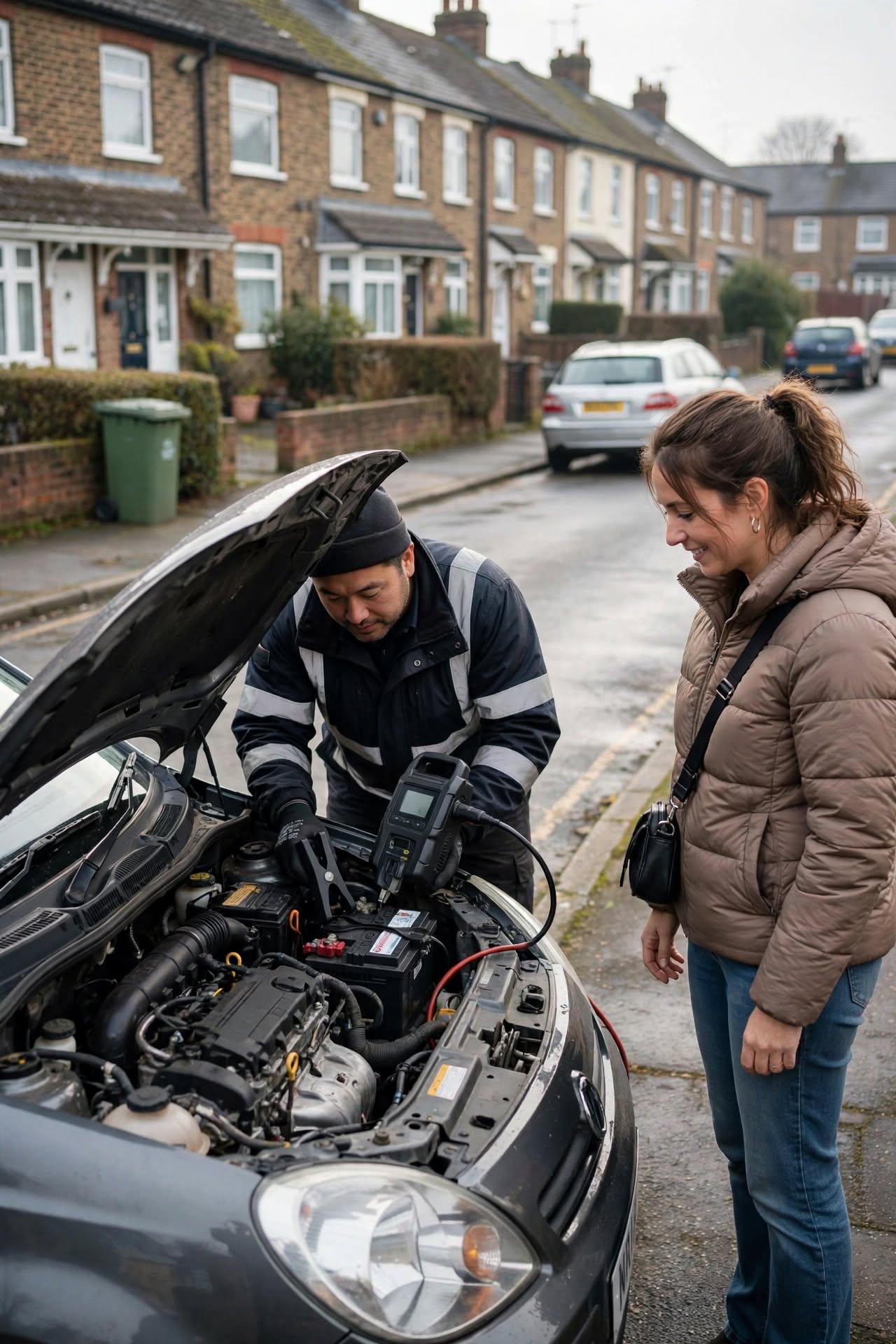
A vehicle's gearbox plays an essential role in transferring engine power to the wheels and allowing the car to operate at different speeds. Whether you drive a manual or automatic vehicle, the gearbox needs to function correctly for smooth acceleration, reliable gear changes and comfortable driving.
Over time, gearbox components can experience wear, lubrication problems or mechanical and electrical faults. Recognising the early warning signs can help drivers understand when an inspection is needed and avoid making assumptions about the cause of a problem.
For drivers researching transmission issues, Gearbox Repair Services in Grays provides a relevant starting point for learning about gearbox-related repair services.
This guide explains how a gearbox works, the most common symptoms of gearbox problems, potential causes, maintenance considerations and the circumstances in which professional assessment may be necessary.
What Is a Gearbox and How Does It Work?
A gearbox, also known as a transmission, adjusts the relationship between engine speed and the speed delivered to the wheels. This allows a vehicle to move away from a stationary position, accelerate and maintain suitable engine speeds under different driving conditions.
Different transmission designs use different mechanisms to achieve this.
Manual Gearboxes
A manual gearbox allows the driver to select gears using a gear lever and clutch pedal. The clutch temporarily disconnects engine power from the transmission, making it possible to change gears smoothly.
Manual gearboxes contain components such as gears, shafts, bearings and synchronisers. Wear or damage to these components can affect gear selection and create unusual noises.
Automatic Gearboxes
An automatic gearbox changes gears without requiring the driver to select each gear manually. Depending on the design, it may use a conventional automatic transmission, a continuously variable transmission (CVT) or a dual-clutch system.
These systems rely on different mechanical, hydraulic and electronic components. Consequently, symptoms that appear similar may have different causes depending on the vehicle's transmission type.
Understanding which type of gearbox your vehicle uses helps when investigating a potential problem.
Common Signs of Gearbox Problems
Gearbox faults do not always develop suddenly. In some cases, drivers notice gradual changes in performance before a more significant issue occurs.
1. Difficulty Changing Gears
Difficulty selecting a gear can indicate a problem with the gearbox, clutch, gear linkage or related components.
In a manual vehicle, the gear lever may feel unusually stiff, or certain gears may become difficult to engage. In an automatic vehicle, the transmission may hesitate when selecting Drive or Reverse.
These symptoms do not automatically mean the gearbox needs replacing. A proper inspection is necessary to identify the cause.
2. Grinding or Whining Noises
Unusual noises can provide useful clues about transmission problems.
Grinding during gear changes may be associated with worn synchronisers, clutch-related problems or other mechanical faults. A whining or humming noise may indicate bearing wear, lubrication issues or another component problem.
The timing of the noise matters. Noting whether it occurs in a particular gear, during acceleration or when the vehicle is stationary can help a mechanic investigate the issue.
3. Gears Slipping Unexpectedly
Gear slipping occurs when the transmission does not maintain the intended gear or the engine speed increases without a corresponding increase in vehicle speed.
In manual vehicles, a slipping clutch can produce similar symptoms. Automatic transmissions may experience slipping because of internal wear, fluid problems or hydraulic and electronic faults.
Because several components can cause similar behaviour, diagnosis should establish the actual source before repairs are authorised.
4. Delayed Gear Engagement
If an automatic vehicle takes noticeably longer than usual to engage Drive or Reverse, the transmission may have a fluid, hydraulic, mechanical or electronic issue.
Repeated delays should not be ignored, particularly if they occur alongside harsh gear changes or warning lights.
Avoid repeatedly accelerating to compensate for delayed engagement, as this may place additional strain on the vehicle.
5. Transmission Fluid Leaks
A fluid leak beneath the vehicle may indicate a problem with a seal, gasket, transmission housing or connected pipe.
The appearance of a fluid alone cannot reliably establish its source because several vehicle fluids can look similar.
Have any suspected transmission leak inspected promptly. Driving with an insufficient transmission fluid level can cause serious damage, and some automatic transmissions require specific procedures to check the fluid correctly.
6. Burning Smells or Warning Lights
A burning smell may indicate overheating, excessive friction or another mechanical problem. A transmission warning light may indicate that the vehicle's control system has detected an abnormal condition.
Consult your vehicle handbook for the meaning of the warning and follow any instructions displayed on the dashboard.
If the vehicle loses drive, develops severe grinding or displays a warning instructing you to stop, pull over safely and arrange appropriate assistance.
What Causes Gearbox Problems?
Several factors can contribute to gearbox faults. Identifying the underlying cause is important because replacing a damaged component without addressing the original problem may lead to further issues.
Wear and Tear
Gears, bearings, synchronisers and other moving components experience repeated loads during normal operation. Over time, wear may affect their ability to operate correctly.
The rate of wear depends on vehicle design, mileage, maintenance history and driving conditions.
Incorrect or Degraded Transmission Fluid
Transmission fluid helps lubricate components and, in many automatic transmissions, also supports hydraulic operation and cooling.
Using an incorrect fluid or allowing the fluid level to fall below the specified range can affect transmission performance.
Always follow the manufacturer's recommendations for fluid type, level checks and replacement intervals. Different transmissions require different specifications and procedures.
Clutch-Related Problems
In manual vehicles, a clutch that does not engage or disengage correctly can make gear changes difficult.
Clutch wear, hydraulic faults and problems with related components may create symptoms that resemble internal gearbox damage.
A mechanic should distinguish between clutch and transmission problems before recommending a repair.
Electrical and Electronic Faults
Modern vehicles may use sensors, control modules and electronically operated components to manage gear changes.
Faulty sensors, wiring problems or control system issues can affect transmission operation. Diagnostic equipment and further testing may be required to determine whether the problem is electrical, electronic or mechanical.
Driving Habits
Aggressive acceleration, forcing gear changes and repeatedly placing unnecessary strain on the drivetrain can contribute to premature wear.
Using the clutch correctly, following the manufacturer's driving recommendations and responding promptly to unusual symptoms can help reduce avoidable strain.
Manual vs Automatic Gearbox Problems
Although both transmission types transfer engine power to the wheels, their potential faults and diagnostic requirements differ.
| Feature | Manual Gearbox | Automatic Gearbox |
|---|---|---|
| Gear selection | Controlled by the driver | Managed by the transmission system |
| Common symptoms | Difficult gear selection, grinding and clutch slipping | Delayed engagement, harsh shifts and slipping |
| Possible causes | Clutch wear, linkage issues and internal component wear | Fluid problems, hydraulic faults, sensors and internal wear |
| Maintenance | Manufacturer-specified inspections and lubricant servicing | Transmission-specific fluid checks and servicing |
| Diagnosis | Mechanical inspection and appropriate testing | Electronic diagnostics alongside mechanical and hydraulic checks |
These are general examples rather than definitive diagnoses. A vehicle's design and service history influence the checks required.
How to Maintain Your Gearbox
Correct maintenance can help protect transmission components and support reliable vehicle operation. However, no maintenance routine can prevent every mechanical failure.
Follow the Manufacturer's Service Schedule
Check your vehicle handbook for the recommended transmission maintenance schedule. Some gearboxes require fluid replacement at specified intervals, while others have different servicing requirements.
Do not assume that every transmission uses the same fluid or has the same maintenance needs.
Respond to Leaks Promptly
If you notice fluid beneath your vehicle, arrange an inspection to establish where it is coming from.
Do not simply top up the fluid without identifying the correct specification and checking the cause of the leak.
Avoid Forcing Gear Changes
In a manual vehicle, operate the clutch correctly and avoid forcing the gear lever when a gear will not engage.
For automatic vehicles, follow the manufacturer's instructions when selecting Drive, Reverse and Park.
Pay Attention to Changes in Performance
Notice whether unusual noises, delayed engagement or difficult gear changes occur under specific conditions.
Recording when the symptoms began and whether they happen when the vehicle is cold or warm can help a mechanic narrow down possible causes.
Keep Service Records
Maintain records of fluid changes, previous repairs, diagnostic findings and recommended follow-up work.
These records can help identify recurring problems and provide useful information during future inspections.
What Happens During a Gearbox Inspection?
A professional gearbox inspection aims to establish the cause of the symptoms before a repair is recommended.
Depending on the vehicle and the reported problem, the process may include the following steps.
-
Reviewing the symptoms: Understanding when the issue occurs and how it affects driving.
-
Checking service history: Reviewing previous maintenance, repairs and any known transmission issues.
-
Inspecting for leaks: Examining accessible areas for signs of fluid loss or component damage.
-
Running diagnostic checks: Reading relevant fault codes where electronic diagnostics are applicable.
-
Assessing transmission operation: Carrying out suitable tests to investigate gear selection, engagement and abnormal noises.
-
Explaining the findings: Identifying the likely cause and discussing suitable repair options.
Not every inspection requires the same tests. Some faults may need specialist equipment, workshop access or further dismantling before the cause can be confirmed.
Can Gearbox Problems Be Prevented?
Although gearbox failure cannot always be prevented, several practical habits can help reduce avoidable damage.
-
Follow the recommended maintenance schedule for your specific transmission.
-
Use only the specified transmission fluid.
-
Address fluid leaks and unusual noises promptly.
-
Avoid forcing gears or placing unnecessary strain on the drivetrain.
-
Follow the manufacturer's instructions when operating an automatic gearbox.
-
Arrange an inspection when gear changes become noticeably different.
-
Keep records of servicing and previous transmission repairs.
These measures can help you monitor the condition of your vehicle and recognise potential problems earlier.
Mobile Mechanic in Grays: Understanding Your Repair Options
When a vehicle develops a transmission problem, understanding the symptoms and possible causes is the first step towards making an informed decision.
A Mobile Mechanic in Grays can be a convenient option for drivers who need assistance with suitable vehicle inspections, diagnostics and mechanical maintenance. Depending on the fault, some initial checks may be possible at your home or workplace.
However, gearbox removal, internal repairs and certain specialist procedures may require workshop facilities and dedicated equipment. The appropriate repair method depends on the vehicle, the confirmed fault and the extent of any damage.
Before approving a repair, ask what tests have been completed, which component has been identified as faulty and whether the quotation includes parts, labour and any additional work.
A clear explanation of the findings helps you compare options and understand whether a repair, component replacement or further investigation is appropriate.
Frequently Asked Questions
1. What are the first signs of gearbox failure?
Early warning signs may include difficult gear changes, unusual whining or grinding noises, delayed engagement, fluid leaks or unexpected gear slipping. These symptoms can also arise from clutch or other mechanical faults, so inspection is necessary to confirm the cause.
2. Is it safe to drive with a gearbox problem?
It depends on the symptoms and severity. If the vehicle loses drive, develops severe grinding, leaks fluid heavily or displays a warning instructing you to stop, do not continue driving. Arrange suitable recovery or professional assistance.
3. How often should gearbox oil be changed?
The recommended interval depends on the vehicle and transmission type. Consult the manufacturer's service schedule rather than relying on a universal mileage or time interval.
4. Can low gearbox fluid cause transmission damage?
Yes. Insufficient or incorrect fluid can affect lubrication and, in many automatic transmissions, hydraulic operation and cooling. If you suspect a leak or low fluid level, arrange an appropriate inspection.
5. Does a noisy gearbox always need replacing?
No. Unusual noises can result from several problems, including bearings, lubrication, clutch components or other drivetrain parts. A proper diagnosis is needed before deciding whether a repair or replacement is necessary.
6. What is the difference between gearbox repair and replacement?
Gearbox repair involves fixing or replacing specific faulty components where appropriate. Replacement involves installing another transmission unit. The suitable option depends on the confirmed damage, vehicle specifications, repair costs and availability of parts.
7. Can a mobile mechanic diagnose gearbox problems?
Some initial inspections and diagnostic checks may be possible at the vehicle's location. More complex faults may require specialist equipment, road testing under controlled conditions or workshop facilities.
8. Does a valid MOT certificate mean the gearbox is in good condition?
No. An MOT test assesses specified safety and environmental requirements at the time of testing. It does not guarantee that every internal gearbox component is free from faults.
Final Thoughts
A properly functioning gearbox is essential for smooth gear changes, efficient power delivery and reliable vehicle operation. Recognising symptoms such as grinding noises, slipping gears, delayed engagement and fluid leaks can help drivers understand when further investigation is needed.
Regular maintenance, correct transmission fluid and prompt attention to unusual symptoms can help reduce avoidable damage. Most importantly, identifying the actual cause of a fault before authorising repairs helps prevent unnecessary work and supports better maintenance decisions.
For drivers who want to learn more about mobile automotive assistance beyond Grays, Mobile Mechanic in Kent provides a relevant resource for exploring mobile mechanic services in Kent. Always confirm service coverage, appointment availability and the suitability of the required repair directly with the provider.

 English
 Arabic
 French
 Spanish
 Portuguese
 Deutsch
 Turkish
 Italiano
 Russian
 Romaian
 Portuguese (Brazil)
 Greek
