


Laser Cleaner: Modern Technology for Efficient Industrial Surface Cleaning
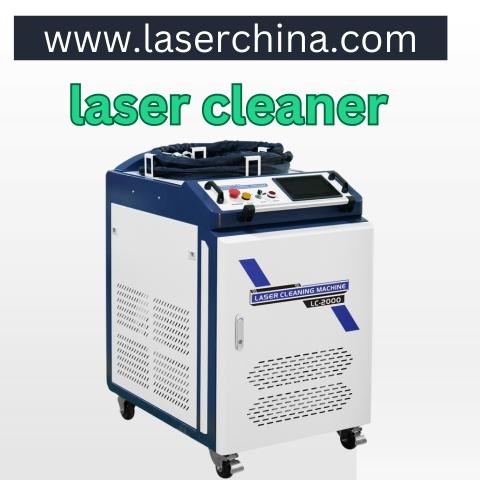
Industrial cleaning plays an important role in manufacturing, maintenance, and metal fabrication. Removing rust, paint, oil, and other unwanted contaminants from metal surfaces is essential for maintaining product quality and preparing materials for further processing. Traditional cleaning methods often require chemicals, abrasive materials, or extensive manual labor. Modern laser technology offers a different approach by using concentrated laser energy to remove contaminants from targeted surfaces.
A laser cleaner is an advanced cleaning system designed for industrial applications where precision, consistency, and controlled surface treatment are important. It is increasingly used in automotive workshops, manufacturing plants, metalworking facilities, and restoration projects.
How Does Laser Cleaning Work?
Laser cleaning works by directing a controlled beam of laser energy onto a contaminated surface. The energy interacts with the unwanted material, helping detach or remove rust, paint, oxide layers, and other deposits without relying on conventional abrasive blasting.
The cleaning process depends on several factors, including laser power, pulse duration, scanning speed, surface material, and contaminant thickness. Operators can adjust these parameters according to the application and the condition of the workpiece.
Before starting a project, it is important to test the selected settings on a small area. Proper adjustment helps achieve the desired cleaning result while reducing the risk of damaging the underlying material.
Common Industrial Applications
1. Rust Removal from Metal
Rust can weaken metal components and interfere with coating, welding, and assembly processes. Laser cleaning is used to remove corrosion from steel parts, metal structures, machinery components, and tools. It can help prepare surfaces for repainting, protective coatings, or additional manufacturing operations.
2. Paint and Coating Removal
Removing old paint and coatings is often necessary during equipment maintenance and restoration. Laser systems can target selected layers on suitable materials, making them useful for cleaning metal panels, industrial components, and certain automotive parts.
The correct settings are essential because different coatings and substrates respond differently to laser energy.
3. Surface Preparation Before Welding
Clean surfaces are important for achieving consistent welding results. Oil residues, oxidation, and other contaminants may affect weld quality. Laser cleaning can prepare selected metal surfaces before welding, helping manufacturers establish a more controlled production process.
4. Mold and Equipment Maintenance
Manufacturing molds and machine components can accumulate deposits during repeated use. Laser cleaning may help remove unwanted buildup from suitable surfaces, reducing the need for certain manual cleaning procedures. It is particularly useful when controlled cleaning is required around detailed or complex components.
Choosing the Right Laser Cleaning Machine
Selecting suitable equipment begins with understanding your production requirements. Businesses should consider the type of contaminants they need to remove, the base material, the size of the workpiece, and the frequency of cleaning.
Laser power is an important consideration. Lower-power systems may suit lighter cleaning tasks, while higher-power equipment may be appropriate for heavier industrial applications. However, power alone does not determine cleaning performance; pulse characteristics, beam control, and application-specific settings also matter.
Portable systems are useful for maintenance teams and workshops that need to clean components at different locations. Stationary or automated systems may be better suited to factories handling repetitive cleaning tasks or large production volumes.
Buyers should also evaluate the manufacturer's technical support, training, warranty terms, replacement parts availability, and operating instructions before making a purchase.
Safety Considerations During Operation
Laser cleaning equipment requires appropriate safety procedures. High-powered laser beams can cause serious eye and skin injuries, and reflections from metal surfaces may create additional hazards. Operators should follow the manufacturer's instructions and applicable laser safety standards.
A designated laser-controlled area, suitable wavelength-rated protective eyewear, appropriate guarding, and trained personnel are essential. Cleaning processes may also release hazardous fumes or particles from coatings, paints, and contaminants. Suitable local exhaust ventilation and filtration should be selected according to the materials being removed.
Never operate equipment without understanding its safety requirements, and avoid directing the beam toward people, reflective objects, or unprotected areas.
Understanding Laser Cleaner Prices
The price of a laser cleaning system varies according to laser source, power rating, operating mode, cooling system, automation level, and included accessories. Portable machines designed for light maintenance work may have a different cost structure from industrial systems intended for continuous production.
When comparing quotations, buyers should look beyond the initial purchase price. Training, installation, warranty coverage, technical assistance, consumables, and long-term maintenance can all affect the total cost of ownership.
Requesting a detailed quotation based on your specific cleaning application is a practical way to compare suppliers and identify an appropriate solution.
Why Work with an Experienced Manufacturer?
An experienced manufacturer can help businesses identify the correct equipment for their materials and production requirements. Reliable suppliers should provide clear technical specifications, application guidance, operating instructions, and responsive after-sales service.
Before ordering, discuss your cleaning samples, required throughput, available workspace, and safety arrangements with the supplier. Whenever possible, request a demonstration using representative workpieces to evaluate cleaning quality and processing time.
Final Thoughts
Laser cleaning technology offers manufacturers and maintenance professionals a modern method for treating suitable surfaces with precision and controlled energy. From rust removal and paint stripping to mold maintenance and pre-welding preparation, the technology can support a wide range of industrial processes.
Choosing the right laser cleaner requires careful consideration of the material, contaminant, cleaning objective, equipment specifications, and workplace safety requirements. With suitable equipment, proper operator training, and reliable technical support, businesses can develop a consistent cleaning process that meets their operational needs.

 English
 Arabic
 French
 Spanish
 Portuguese
 Deutsch
 Turkish
 Dutch
 Italiano
 Russian
 Romaian
 Greek
