


A Complete Guide to Planter Box Waterproofing in Dubai
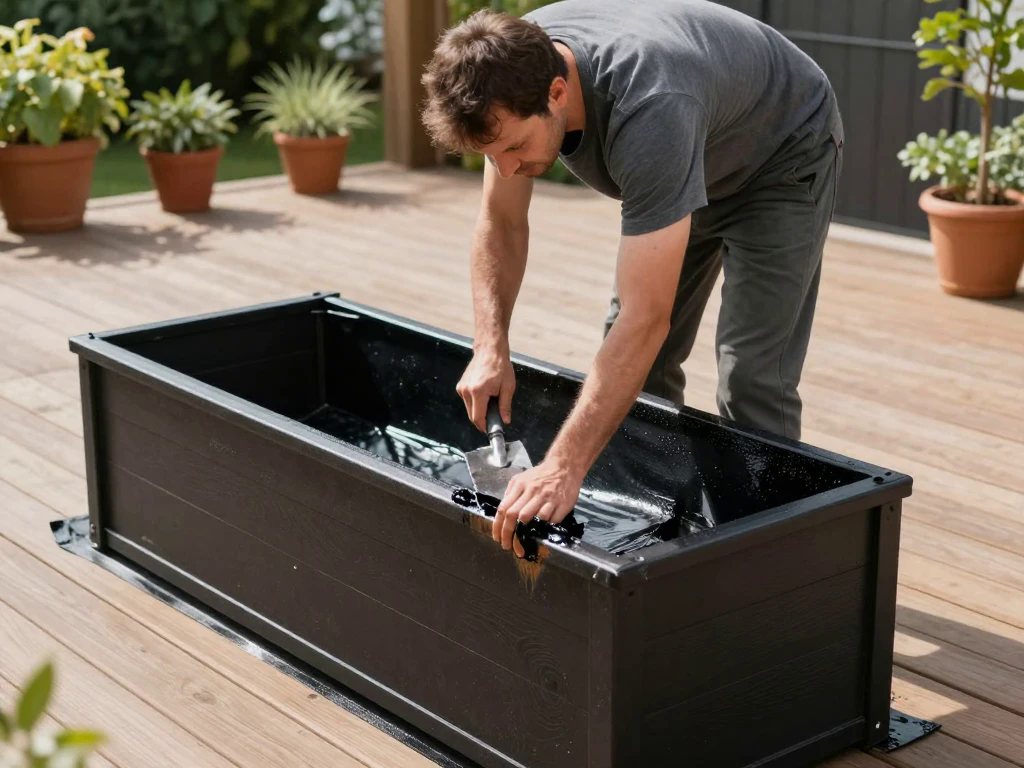
Planter boxes add greenery to rooftops, balconies, terraces, and commercial landscapes, making buildings more attractive and comfortable. However, beneath the plants and decorative finishes, these structures face constant exposure to irrigation water, damp soil, and changing outdoor conditions. If moisture passes through the planter's base or sidewalls, it can damage concrete, stain nearby surfaces, and cause leakage into occupied areas. These problems may remain hidden until visible signs appear on ceilings or walls.
Choosing the right Planter box waterproofing in Dubai solution helps property owners protect their buildings while maintaining healthy, attractive landscaped spaces.
Why Do Planter Boxes Require Specialized Waterproofing?
A planter box experiences different moisture conditions from an ordinary roof or floor. Soil retains water around plant roots, and frequent irrigation can keep internal surfaces damp for extended periods. Without a suitable waterproofing barrier, moisture may penetrate small cracks, construction joints, or poorly sealed corners.
Water infiltration can gradually affect concrete surfaces and surrounding finishes. In some circumstances, persistent moisture may contribute to corrosion of embedded reinforcement or deterioration of adjacent building materials. Repairing a concealed leak can also be complicated because plants, soil, and decorative finishes may need to be removed before the damaged area becomes accessible.
A properly designed waterproofing system separates the planting medium from the building structure. It should work alongside suitable drainage and root protection rather than relying on a coating alone.
Common Reasons for Planter Box Leakage
Understanding the cause of leakage helps determine which repairs and materials are necessary.
Damaged or Missing Waterproofing Membranes
A planter box without a suitable membrane may allow water to pass directly into the concrete. Existing membranes can also deteriorate because of aging, poor installation, or accidental damage during gardening and maintenance work. Even a small opening can become a recurring source of moisture.
Poor Drainage Design
Planter boxes need an effective way to remove excess water. If drainage outlets are blocked or incorrectly positioned, water may accumulate around the base. Prolonged saturation places additional stress on vulnerable joints and increases the risk of leakage.
Root-Related Damage
Plant roots need moisture, but certain root systems can exploit existing weaknesses in building materials. If the waterproofing layer is unsuitable for the planting environment, root penetration may compromise its integrity. Appropriate root-resistant materials or a compatible root barrier should be considered when the planting design requires them.
Weak Corners and Pipe Connections
The junction between the planter base and its walls is particularly important. Similar vulnerabilities can occur around drainage pipes, outlets, and construction joints. These areas need carefully designed detailing because water can pass through small gaps even when the main surface appears intact.
Which Waterproofing Systems Are Suitable for Planter Boxes?
The correct method depends on the planter's construction, dimensions, location, expected water exposure, and planting requirements.
Liquid-Applied Waterproofing
Liquid-applied membranes form a continuous protective layer after application and curing. They can be useful for planter boxes with irregular shapes, narrow corners, and multiple connections. The selected product must be suitable for prolonged moisture exposure and compatible with the substrate.
Application thickness, curing time, and reinforcement at vulnerable points should follow the manufacturer's instructions. The membrane should be inspected before it is covered by drainage materials or soil.
Sheet Membrane Waterproofing
Sheet membranes provide a physical barrier across the planter's base and internal walls. Depending on the application, suitable bitumen-based or other manufactured membranes may be used.
Correct overlaps and sealed connections are essential to maintain continuity. The membrane must also be protected against punctures during installation of drainage layers, landscaping materials, and soil. Product suitability should be confirmed before selecting a sheet system for a planted structure.
Root-Resistant Waterproofing
Where roots may threaten the protective layer, the design should include a membrane with appropriate root resistance or a compatible root barrier. Ordinary waterproofing materials should not automatically be assumed to prevent root penetration.
Root protection must integrate with the rest of the system, including joints, drainage components, and the intended planting arrangement.
How Is Planter Box Waterproofing Installed?
A carefully managed installation process helps reduce the possibility of hidden defects.
1. Inspect the planter structure. The contractor checks the base, internal walls, corners, joints, and drainage outlets. Existing cracks, damp patches, and signs of previous repairs should be assessed before selecting a solution.
2. Prepare the surface. Dust, debris, loose concrete, and incompatible coatings are removed. Damaged sections are repaired, and the surface is prepared according to the chosen membrane's requirements.
3. Apply the waterproofing layer. The selected membrane is installed over the required surfaces, with particular attention to corners, wall-to-base junctions, and pipe penetrations. The specified thickness, overlaps, and curing conditions must be maintained.
4. Install drainage and protective layers. A suitable drainage layer helps direct excess water toward the designated outlet. Filter fabrics and protection boards may be required to limit soil movement into drainage channels and prevent damage to the membrane.
5. Inspect before adding soil. The completed system should be checked for gaps, defects, and accidental damage. Suitable testing should be considered where the system design and project conditions permit it. Soil and plants should only be introduced once the waterproofing and protection layers are ready.
Why Drainage Matters as Much as Waterproofing
Waterproofing and drainage perform different but closely connected functions. The membrane limits water penetration, while the drainage system removes excess moisture from the planter.
Without effective drainage, irrigation water and rainfall can remain trapped around the roots. This may increase pressure on weak joints and create unsuitable conditions for certain plants. A properly planned drainage layer and accessible outlet help manage excess water without allowing the planting medium to obstruct the system.
Drainage arrangements should be selected according to the planter's size, soil depth, irrigation requirements, and construction design. Outlets also need periodic inspection to prevent blockages from developing unnoticed.
Choosing a Planter Box Waterproofing Contractor in Dubai
Selecting a contractor involves more than comparing prices. The team should understand how waterproofing, root protection, and drainage work together within a landscaped structure.
Ask about the proposed membrane, its suitability for continuous moisture exposure, the treatment of corners, and the protection provided before soil placement. The contractor should also explain how the drainage system will operate and how the completed work will be inspected.
Gsw Technical Works is one option property owners can consider when exploring waterproofing services. Before appointing any provider, review the written scope, material specifications, preparation requirements, and warranty conditions to understand what the project covers.
How to Maintain a Waterproofed Planter Box
Regular maintenance helps protect the waterproofing system and surrounding structure. Check accessible drainage outlets for leaves, soil, and other debris. Monitor the planter for persistent waterlogging, unusual damp patches, damaged finishes, or moisture appearing on nearby walls and ceilings.
Avoid digging deeply or using sharp tools where they could puncture hidden protective layers. When replacing plants or refreshing the soil, take care around drainage components and membrane protection. If leakage develops, arrange an inspection to identify whether the problem comes from the membrane, blocked drainage, a defective joint, or another building component.
Frequently Asked Questions
1. Why is planter box waterproofing important in Dubai?
Planter boxes retain moisture from irrigation and rainfall. A suitable waterproofing system, combined with effective drainage, helps protect concrete structures and nearby interior spaces from water penetration.
2. Can any waterproofing membrane be used inside a planter box?
No. The material must be compatible with continuous moisture exposure and the required root protection, drainage, and construction details. The manufacturer's specifications should guide product selection.
3. When should planter box waterproofing be inspected?
Inspection is important during construction before soil is added and whenever signs of leakage, waterlogging, or surface deterioration appear. Regular drainage checks can also help identify problems early.
Conclusion
Planter box waterproofing requires more than applying a water-resistant coating. Reliable protection depends on suitable membrane selection, careful surface preparation, root management, and an effective drainage arrangement. For property owners researching Planter box waterproofing in Dubai, a complete system designed around the planter's construction and planting requirements can help reduce leakage risks and protect the surrounding building. Regular inspections and careful maintenance further support the long-term performance of the waterproofing system.

 English
 Arabic
 French
 Portuguese
 Deutsch
 Turkish
 Dutch
 Italiano
 Russian
 Romaian
 Portuguese (Brazil)
 Greek
