


How to Choose Between Cable TV, Satellite, and Internet TV
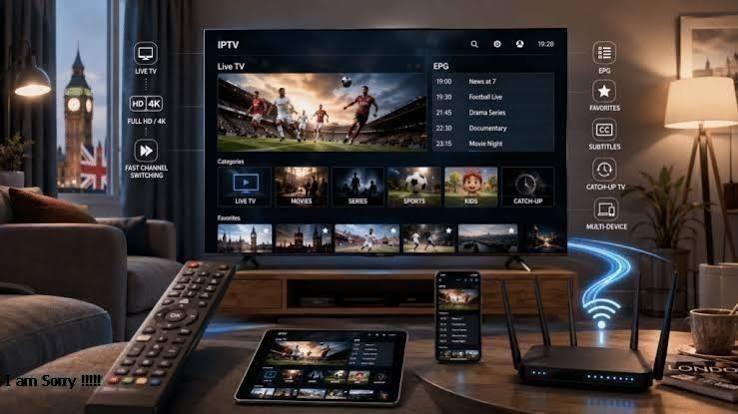
Choosing a television service is not as straightforward as it once was. Households can still use traditional cable connections and satellite dishes, but internet-based television has introduced another way to watch live channels, sports, movies, and other entertainment. Each option offers different advantages, and the right choice depends on where you live, what you enjoy watching, and how you use television throughout the day.
Instead of choosing a service simply because it is popular, it helps to understand how each option works. Installation, monthly costs, channel availability, internet requirements, and equipment can all influence the experience. Comparing these factors before making a decision can help you find a setup that suits your household without paying for features you rarely use.
How Cable TV Works
Cable television delivers programming through a physical cable network connected to your home. Depending on the provider and package, the setup may require a receiver, a cable box, or a compatible television connection. Once installed, viewers can browse available channels through a program guide and watch scheduled broadcasts.
One advantage of cable TV is that television delivery does not generally depend on your home's internet connection in the same way internet streaming does. This can make it a practical option for households that prefer traditional channel-based viewing or have limited broadband availability. However, service quality and channel availability depend on the provider's network and the package offered in your area.
How Satellite TV Works
Satellite television uses a dish installed at your property to receive signals transmitted from satellites in orbit. The dish is connected to compatible receiving equipment, which sends the programming to your television. Professional installation may be necessary to ensure the dish has a suitable view of the sky.
When comparing options for media access, satellite TV may be worth considering in areas where cable infrastructure is limited. It can deliver a broad range of channels without depending on a conventional cable network, although the equipment needs a suitable installation location and a clear satellite signal.
Weather conditions can sometimes affect satellite reception, particularly during heavy rain or severe storms. The dish also needs to remain correctly aligned, and installation restrictions may apply in some buildings or rental properties. These practical considerations are worth checking before choosing a satellite package.
What Makes Internet TV Different?
Internet television delivers video content through an internet connection rather than relying exclusively on cable infrastructure or satellite reception. Depending on the service, viewers may be able to access live television, sports, movies, series, and on-demand programming through a Smart TV, streaming device, computer, tablet, or smartphone.
One of its main attractions is flexibility. Viewers can often use compatible devices and applications instead of depending on a single traditional television receiver. Internet TV may also combine live programming with on-demand content, giving users more choice about what to watch and when.
However, the experience depends on a reliable internet connection, a compatible device, and the capabilities of the service. Slow or unstable connectivity can cause buffering, interruptions, or reduced picture quality. Before choosing internet TV, check your home network and confirm that the service supports your preferred devices and content.
Compare Installation Requirements
Installation can have a noticeable effect on the overall cost and convenience of a television service.
Cable TV generally requires access to a provider's cable infrastructure and may involve a technician visit or receiver installation. It can be relatively straightforward in homes that already have the necessary connection.
Satellite TV typically requires a suitable place to mount the dish, a clear signal path, and compatible receiving equipment. Apartment residents and people renting their homes may need permission before installing external equipment.
Internet TV can be simpler if you already have a stable broadband connection and a compatible Smart TV. Some households may only need to install an application, while others may require a streaming stick or media box. Checking the setup requirements in advance can help you avoid unexpected expenses.
Consider Monthly Costs and Equipment
Price is often one of the biggest factors when choosing a television service. However, comparing the monthly subscription alone does not always reveal the full cost.
Cable and satellite packages may include equipment rental, installation fees, premium channel charges, or contract conditions. Some providers offer introductory prices that change after a promotional period, so it is important to read the terms carefully.
Internet TV may reduce the need for traditional television hardware, but the total cost can still include broadband service, subscriptions, and compatible streaming devices. If you already pay for home internet, it is worth checking whether your existing connection can support your intended viewing habits.
Create a simple comparison that includes setup costs, recurring payments, equipment, and any cancellation fees. This makes it easier to judge which option offers the best value over time.
Check Channel Availability
The number of channels advertised by a provider is only one part of the decision. What matters most is whether the service includes the content you actually watch.
Cable and satellite providers may offer different local channels, sports packages, news networks, and premium programming depending on location and subscription level. Availability can vary significantly between providers.
Internet television can offer a mix of live channels and on-demand content, depending on the platform and applicable content rights. Some services focus on particular regions or categories, while others provide a different range of programming.
Before subscribing, make a list of the channels, sports coverage, languages, and entertainment categories that matter to your household. Verify that they are available in your location rather than relying solely on a general promotional description.
Think About Internet Speed and Reliability
Internet TV relies on your broadband connection, so network performance should be part of the decision. Video streaming uses bandwidth continuously, and higher-resolution content generally requires more data than lower-resolution video.
If several people in your household stream, game, or download files simultaneously, your internet connection needs to handle those activities together. Wi-Fi coverage also matters. A television located far from the router may experience buffering even when the internet package advertises high speeds.
Cable and satellite television can be useful alternatives for households where broadband is unreliable or unavailable. However, each technology has its own possible interruptions and equipment requirements. Consider how consistently each service can operate in your home, not just its advertised features.
Consider Device Flexibility
Traditional cable and satellite setups are often centered on a television and receiving equipment, although some providers also support applications and additional screens. If you mainly watch television in one room, that arrangement may be perfectly suitable.
Internet TV can offer greater device flexibility when the service supports multiple platforms. You may be able to watch content on a Smart TV, smartphone, tablet, or computer, depending on the provider's rules and application support.
This can be particularly useful in households where family members have different viewing schedules. Before subscribing, check supported devices and any restrictions on simultaneous streams. Do not assume that access on multiple device types means unlimited concurrent viewing.
Which Option Suits Your Lifestyle?
The best choice depends on your situation rather than on one technology being universally superior.
Cable TV may suit households that have good local cable coverage and prefer a conventional channel-based setup. Satellite TV can be practical in locations where cable infrastructure is limited, provided the property allows a suitable dish installation.
Internet TV may appeal to viewers who already have reliable broadband, want access through compatible devices, or prefer combining live channels with on-demand content. It can also work well for people who want to reduce the amount of separate equipment around their television.
Consider your location, viewing habits, budget, internet reliability, and installation limitations before deciding. A service that works well for one household may not be the best option for another.
Check Service Terms Before Subscribing
Before committing to any television package, read the terms and conditions carefully. Check the length of the subscription, renewal arrangements, cancellation policy, equipment costs, and any restrictions that apply.
It is also important to verify that the provider is authorized to offer the channels and content included in its package. Content availability and licensing conditions can differ between countries and services.
If a service makes broad promises about channel numbers or picture quality, look for clear information about what is actually included. Understanding the terms before paying can help you avoid unexpected costs and disappointment later.
Final Thoughts
Cable TV, satellite television, and internet TV all provide ways to access television, but they suit different needs. Cable can be convenient where a provider's network is available, satellite can serve locations with limited cable access, and internet TV can offer flexible viewing through compatible connected devices.
The right choice depends on more than price or the size of a channel list. Installation requirements, local availability, content selection, reliability, equipment, and your household's viewing habits all deserve attention.
Before signing up, compare the total cost, confirm that your preferred content is available, and make sure the setup works with your home and devices. A little research can help you choose a television service that offers practical value and fits the way you prefer to watch.

 English
 Arabic
 French
 Spanish
 Portuguese
 Deutsch
 Turkish
 Dutch
Dutch
 Italiano
 Russian
 Romaian
 Greek
Greek
