


Why Two Witnesses Can Describe the Same Boating Accident Differently
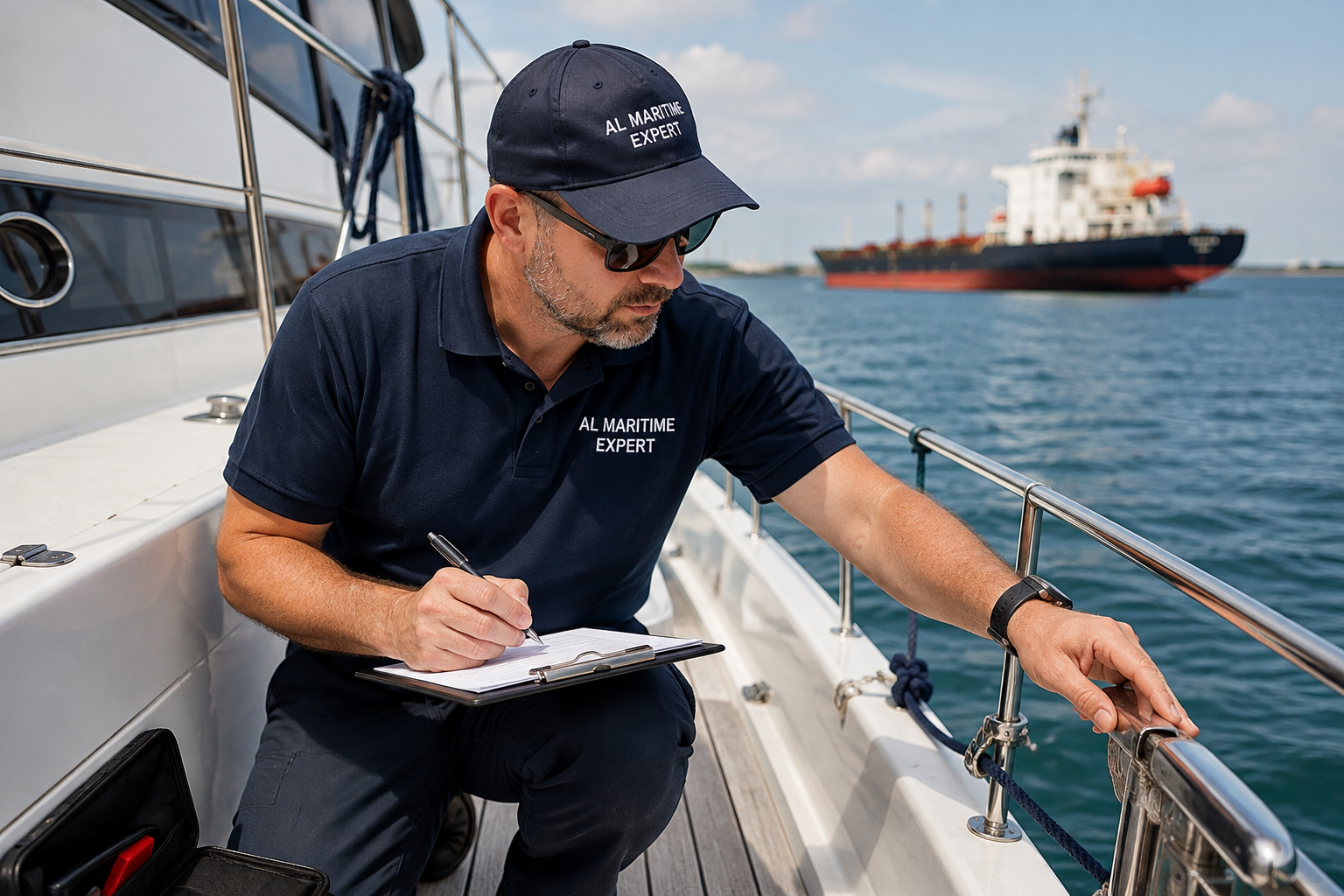
After a boating accident, two people who witnessed the same event may provide noticeably different accounts. One person might remember a vessel turning sharply, while another recalls hearing an engine change just before the impact. These differences can create confusion, especially when investigators are trying to establish the sequence of events and understand what caused the incident.
Different accounts do not automatically mean that someone is being dishonest. Human perception and memory are influenced by viewing angle, distance, noise, stress, visibility, and the amount of attention a person could give to the event. Understanding these factors helps investigators evaluate what each witness observed without relying on assumptions or treating every inconsistency as proof that an account is unreliable.
How Viewing Position Changes What Witnesses See
A witness’s position can strongly influence their perception of a boating accident. Someone standing near the bow may have a clear view of an approaching vessel but limited visibility of activity near the stern. A person on a dock may see the overall movement of two boats, while someone aboard one of them may experience the event through sudden motion, vibration, or restricted sightlines.
Distance also affects what a person can identify. From far away, a vessel may appear to turn gradually when it actually makes a sharper maneuver. From a different angle, a collision may seem to involve the side of a boat when the initial contact occurred closer to the bow. Reflections, glare, waves, and obstructions can further limit visibility.
Carefully recorded witness statements can help investigators compare these different perspectives with physical evidence and available records. The purpose is not to force every account to match, but to understand what each person could reasonably observe from their location and determine which details can be independently verified.
Stress and Memory During a Sudden Accident
Boating accidents can unfold in seconds, leaving little time for witnesses to process everything they see and hear. A sudden impact, unexpected loss of control, or person falling overboard may trigger an immediate response focused on personal safety rather than detailed observation.
Under stress, people may remember the most alarming parts of an event while overlooking smaller details. One witness may clearly recall a loud impact but be uncertain about the order of the vessels’ movements. Another may remember shouting or alarms without being able to identify precisely when they occurred.
Memory is also reconstructive rather than a perfect recording of an event. As people recall an incident, they may unintentionally fill gaps or become more confident in details that were initially uncertain. This does not necessarily indicate deliberate deception. Investigators should therefore record what witnesses remember, how certain they are, and which details they are unsure about.
Why Timing Can Be Difficult to Remember
The sequence of events is often central to a boating accident investigation. Investigators may need to determine when a vessel changed course, when a warning was given, when contact occurred, or when an engine problem became apparent. Witnesses may disagree about these timings even when they broadly agree on what happened.
An unexpected event can make short intervals feel longer or shorter than they actually were. A witness may remember two actions as simultaneous when they occurred several seconds apart. Others may correctly recall the actions but place them in the wrong order when describing the incident later.
Investigators can compare accounts with available timestamps from GPS devices, chartplotters, radar, AIS records, onboard cameras, communications, or other electronic systems. These sources can help clarify timing, but they must also be checked for gaps, clock differences, and recording limitations. A reliable analysis distinguishes confirmed timestamps from estimates based on memory.
Noise, Weather, and Communication Problems
Environmental conditions can affect both what witnesses perceive and how they interpret it. Wind, rain, waves, engine noise, and poor visibility may make it difficult to hear warnings or identify the direction of a sound. A person may hear an engine change or a shouted instruction without being able to determine its source.
Communication between people aboard a vessel can also be misunderstood. A witness may hear only part of a warning, miss a response because of background noise, or interpret a gesture differently from the person who made it. These uncertainties can influence later descriptions of the actions taken before an accident.
Investigators should record the conditions in which each witness observed the event. Relevant details may include the witness’s location, approximate distance, visibility, surrounding noise, weather, and any obstacles affecting their view. Such information helps establish the limits of each account rather than treating every witness as having the same opportunity to observe the incident.
How Questions Can Influence a Witness's Account
The way questions are asked can affect the information a witness provides. Leading questions may unintentionally encourage a person to agree with a suggested explanation, particularly when the witness is uncertain about a detail. For example, asking whether a vessel “turned sharply before impact” may introduce a specific movement that the witness did not independently recall.
Open-ended questions are generally more useful at the beginning of an interview. Asking a witness to describe what they saw, heard, and did allows them to provide their own account before being asked about specific details. Follow-up questions can then clarify the location, timing, sequence, and level of certainty associated with particular observations.
Investigators should also distinguish firsthand observations from information learned afterward. A witness who later discusses the accident with other people may unintentionally incorporate details from those conversations into their recollection. Recording when an account was obtained and whether the witness had discussed the event with others can help provide context during later review.
Comparing Witness Accounts With Physical Evidence
Witness recollections are important, but they should not be evaluated in isolation. Damage to the vessels, the location of debris, paint transfer, broken fittings, and marks on nearby structures may help investigators assess whether a described sequence is consistent with the physical evidence.
For example, a witness may report that one vessel struck another near its stern, while the visible damage appears concentrated farther forward. This difference may require closer examination of the vessels’ positions, subsequent movement, and the possibility of more than one contact. It does not automatically prove that the witness is wrong, because the view may have been obstructed or the vessel may have moved after the initial impact.
Other records can provide additional context. Navigation data, maintenance histories, weather reports, photographs, and video footage may help establish the vessels’ movements and operating conditions. Each source has limitations, so investigators should consider how the information was collected and whether it covers the relevant period.
A careful comparison separates direct observations from interpretations. A witness may accurately describe a sudden movement without knowing what caused it. Likewise, physical damage may establish that contact occurred without independently revealing every action that led to it.
Avoiding Premature Conclusions About Credibility
Differences between witness accounts can be important, but investigators should avoid judging credibility based on a single inconsistency. A person may accurately remember the central event while confusing a minor detail, especially when the incident was sudden or visibility was poor.
Consistency is only one factor in evaluating an account. Investigators may also consider the witness’s opportunity to observe, the specificity of their recollection, the presence of independent supporting evidence, and whether the account changes after exposure to outside information. Confidence alone does not establish accuracy, and uncertainty about a detail does not automatically make an account unreliable.
Where accounts conflict, the differences should be documented and assessed against the available evidence. If the information cannot resolve a disagreement, the uncertainty should remain explicit in the findings. An investigation should not create certainty where the evidence does not support it.
Building a Reliable Timeline of a Boating Accident
A structured timeline can help organize witness accounts and other evidence into a coherent sequence. Investigators may list reported actions, approximate times, observed vessel movements, warnings, impacts, and post-accident responses. Each entry should identify its source and indicate whether the timing is confirmed, estimated, or disputed.
This approach makes it easier to identify areas of agreement and unresolved questions. Two witnesses may disagree about the precise moment a vessel changed course but agree that the maneuver occurred before the collision. Electronic records or physical findings may help narrow the uncertainty, although they may not resolve every detail.
Accurate documentation also helps prevent later interpretations from being mistaken for original observations. Preserving initial accounts, recording follow-up interviews, and noting changes or clarifications can improve transparency throughout the investigation.
Why Different Accounts Can Still Be Valuable
Witnesses do not need to describe every detail identically for their accounts to contribute useful information. Different perspectives may reveal separate parts of an event, identify overlooked hazards, or highlight questions that require further examination.
The most reliable approach combines witness recollections with physical evidence, navigation records, environmental information, and other relevant sources. By recognizing the limits of human memory and documenting uncertainty carefully, investigators can develop a more balanced understanding of a boating accident without relying on assumptions about what any single witness must have seen.

 English
 Arabic
 French
 Portuguese
 Deutsch
 Turkish
 Dutch
Dutch
 Italiano
 Russian
 Romaian
 Portuguese (Brazil)
 Greek
Greek
