


Orthopedic Physiotherapy in Vashi: Understanding Rehabilitation for Better Health and Mobility
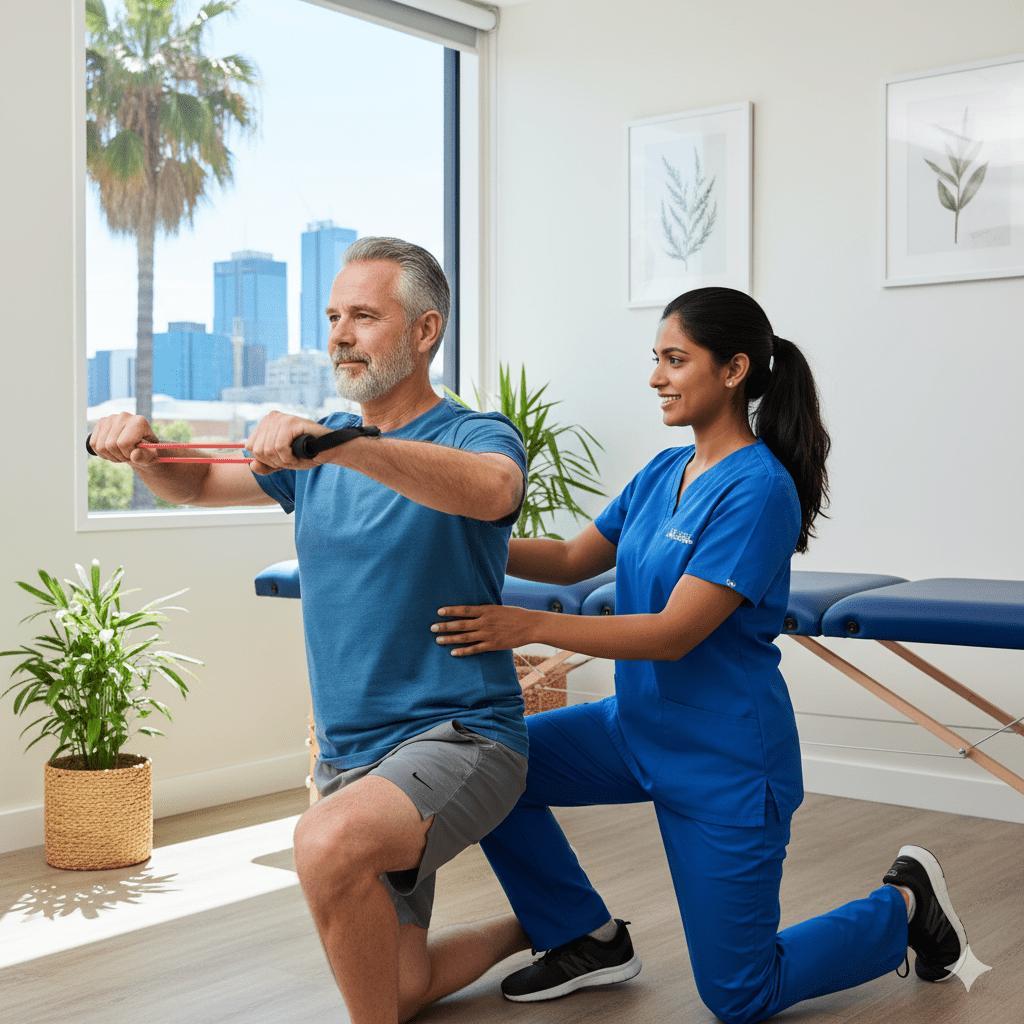
Pain, stiffness, muscle weakness, and difficulty performing everyday activities can affect people of all ages. Whether someone is recovering from an injury, managing a joint condition, experiencing movement difficulties after a neurological illness, or rebuilding stamina after a respiratory problem, physiotherapy can play an important role in rehabilitation.
Different health conditions require different treatment approaches. Orthopedic physiotherapy focuses on muscles, bones, joints, and movement-related problems. Neurological physiotherapy helps people manage difficulties associated with the nervous system, while cardiopulmonary physiotherapy supports appropriate recovery for people with selected heart and lung conditions.
For individuals exploring Orthopedic Physiotherapy in Vashi, understanding these specialisations can help them identify the type of professional assessment and rehabilitation that may suit their needs.
What Is Orthopedic Physiotherapy?
Orthopedic physiotherapy is a branch of rehabilitation that addresses conditions affecting the musculoskeletal system, including muscles, joints, bones, ligaments, tendons, and the spine.
These problems may result from sports injuries, accidents, repetitive movements, age-related changes, surgery, or periods of reduced physical activity.
Common conditions managed through orthopedic physiotherapy include:
-
Back pain and neck pain.
-
Knee osteoarthritis and joint stiffness.
-
Frozen shoulder and restricted shoulder movement.
-
Sports injuries and ligament problems.
-
Recovery following fractures or orthopedic surgery.
-
Muscle strains and selected tendon conditions.
-
Rehabilitation following knee or hip replacement.
The treatment plan depends on the diagnosis, severity of symptoms, medical history, and functional goals of the patient.
How Does Orthopedic Physiotherapy Help?
An orthopedic physiotherapist assesses relevant movement patterns, muscle strength, joint mobility, balance, and physical limitations. Based on the findings, treatment may include therapeutic exercises, mobility training, education, and selected manual therapy techniques.
For example, a patient recovering from a knee injury may need to restore comfortable movement and strengthen the muscles supporting the joint. Someone experiencing persistent back pain may benefit from graded exercise, improved movement control, and guidance on managing daily activities.
Following surgery, a structured rehabilitation programme may help patients gradually regain strength, improve walking ability, and return to everyday tasks within their surgeon's precautions.
When searching for Orthopedic Physiotherapy in Vashi, patients should look for a programme that is tailored to their condition rather than a generic exercise routine.
Neurological Physiotherapy in Vashi: Supporting Movement and Independence
Neurological conditions can affect the brain, spinal cord, or peripheral nerves, sometimes changing a person's strength, balance, coordination, sensation, or ability to move independently.
These difficulties may make everyday activities such as standing, walking, reaching, or transferring between a bed and chair more challenging. Neurological physiotherapy aims to improve functional abilities, support recovery where possible, and help people manage ongoing physical limitations.
Conditions that may require neurological rehabilitation include:
-
Stroke and its effects on movement.
-
Parkinson's disease.
-
Spinal cord injuries.
-
Multiple sclerosis.
-
Peripheral nerve injuries.
-
Traumatic brain injuries.
-
Other neurological disorders affecting balance and mobility.
What Happens During Neurological Physiotherapy?
A physiotherapist assesses the patient's movement, muscle strength, balance, coordination, walking ability, and functional limitations. The rehabilitation plan is then adapted to their needs, safety, and recovery goals.
Treatment may include:
Movement and task practice: Repeated practice of activities such as standing up, reaching, and changing positions.
Balance training: Exercises designed to improve stability and reduce the risk of falls where appropriate.
Gait training: Practice aimed at improving walking patterns, step control, and safe use of walking aids when needed.
Strength and mobility exercises: Activities that address weakness, restricted movement, and reduced physical capacity.
Functional independence training: Practice of movements that support everyday activities at home and in the community.
Outcomes vary according to the condition, its severity, and the individual's overall health. Some patients focus on recovering lost abilities, while others work on compensating for persistent limitations and preventing secondary complications.
People considering Neurological Physiotherapy in Vashi can benefit from an assessment that identifies their rehabilitation priorities and the level of support required.
Cardiopulmonary Physiotherapy in Vashi: Supporting Breathing and Endurance
Cardiopulmonary physiotherapy supports people with selected heart and lung conditions that affect breathing, exercise tolerance, and physical activity.
Illness, surgery, prolonged hospitalisation, and chronic health problems can reduce endurance and make ordinary tasks more demanding. Walking short distances, climbing stairs, or completing household activities may become tiring.
Depending on medical assessment, cardiopulmonary rehabilitation may be appropriate for selected patients recovering from cardiac procedures, managing chronic respiratory conditions, or rebuilding physical capacity after significant illness.
Who May Benefit From Cardiopulmonary Physiotherapy?
Cardiopulmonary rehabilitation may be considered for people with:
-
Chronic obstructive pulmonary disease (COPD).
-
Selected chronic respiratory conditions.
-
Recovery needs following certain cardiac procedures.
-
Reduced endurance after prolonged hospitalisation.
-
Respiratory problems that limit physical activity.
-
Physical deconditioning following illness.
Not every patient with a heart or lung condition requires the same programme. Some may need supervised rehabilitation, while others require medical stabilisation before starting exercise.
What Does Cardiopulmonary Rehabilitation Involve?
Depending on the person's diagnosis and medical status, a programme may include graded activity, breathing techniques, education, and strategies for managing exertion safely.
Breathing techniques: Selected techniques may help patients manage breathing patterns and breathlessness.
Endurance training: Walking or other suitable aerobic activities may be introduced gradually according to exercise tolerance.
Strength training: Carefully selected exercises can help address muscle weakness and improve everyday physical function.
Activity pacing: Patients may learn to balance activity with rest and organise demanding tasks more effectively.
Education and self-management: Guidance may cover exercise safety, symptom monitoring, energy conservation, and adherence to medical recommendations.
Cardiopulmonary physiotherapy should be coordinated with the relevant medical team. New or severe chest pain, sudden breathlessness, fainting, or other acute symptoms require urgent medical attention rather than an exercise session.
For those searching for Cardiopulmonary Physiotherapy in Vashi, an initial medical and functional assessment can help determine whether rehabilitation is suitable and what level of supervision is needed.
Orthopedic, Neurological, and Cardiopulmonary Physiotherapy: Key Differences
Although all three specialisations aim to improve physical function, they address different primary concerns.
Orthopedic physiotherapy focuses on musculoskeletal pain, joint mobility, strength, movement mechanics, and recovery following injuries or surgery.
Neurological physiotherapy focuses on movement and functional difficulties associated with disorders of the nervous system, including changes in balance, coordination, muscle control, and walking.
Cardiopulmonary physiotherapy focuses on breathing-related limitations, endurance, exercise tolerance, and physical recovery associated with selected heart and lung conditions.
Some people may need more than one type of rehabilitation. For example, a patient recovering from a prolonged hospital stay may experience muscle weakness alongside reduced respiratory endurance. Their rehabilitation may require coordination between different healthcare professionals.
The right approach depends on the underlying condition rather than the popularity of a particular treatment technique.
What to Expect During Your First Physiotherapy Assessment
An initial assessment helps the physiotherapist understand your symptoms, medical history, physical abilities, and personal goals.
The appointment may include the following steps:
-
Medical and activity history: Discussing your diagnosis, symptoms, previous treatment, and daily limitations.
-
Physical assessment: Evaluating relevant movement, strength, balance, endurance, or functional abilities.
-
Goal setting: Identifying realistic targets, such as walking more comfortably, improving shoulder movement, or managing daily tasks more independently.
-
Individualised planning: Selecting appropriate exercises, rehabilitation strategies, and progress measures.
-
Progress review: Adjusting the programme as symptoms, physical capacity, and functional performance change.
Patients should share relevant medical reports and follow any restrictions provided by their treating doctor or surgeon.
A clear rehabilitation plan helps patients understand what they are working towards and how progress will be assessed.
How to Choose a Physiotherapy Clinic in Vashi
Choosing a suitable physiotherapy provider involves more than comparing appointment times or distance from home. Patients should consider the professional's qualifications, experience with their condition, assessment process, and approach to rehabilitation.
Here are some practical factors to consider:
-
Relevant expertise: Ask whether the physiotherapist has experience managing your particular condition.
-
Individualised treatment: Your programme should reflect your health status, functional limitations, and goals.
-
Progress monitoring: The provider should explain how improvements will be measured.
-
Safety: Exercises and treatment techniques should be appropriate for your diagnosis and medical status.
-
Clear communication: You should understand your rehabilitation plan, home exercises, precautions, and next steps.
-
Coordination of care: Where necessary, the physiotherapist should coordinate with your doctor, surgeon, or other treating professionals.
Patients with complex neurological or cardiopulmonary conditions may require a specialist rehabilitation setting or medically supervised care. A responsible provider should explain when a referral or additional medical input is necessary.
Why Consistency Matters in Physiotherapy
Rehabilitation is often a gradual process. Improvements in strength, movement, balance, and endurance usually require an appropriately progressed programme and regular reassessment.
Following the recommended home exercise plan, attending review appointments, and reporting changes in symptoms can help the physiotherapist adjust treatment safely.
Progress is not always linear. Some conditions improve over a relatively short period, while others require longer-term rehabilitation and ongoing self-management.
Patients should avoid comparing their recovery directly with someone else's experience. The appropriate pace depends on the diagnosis, severity, general health, and individual response to treatment.
Exploring Physiotherapy Services in Vashi
Whether you are managing joint pain, recovering from surgery, experiencing movement difficulties after a neurological condition, or rebuilding endurance following an illness, the right rehabilitation approach starts with an appropriate assessment.
WeCare Physiotherapy offers physiotherapy and rehabilitation services for a range of musculoskeletal and movement-related concerns. If you are exploring Orthopedic Physiotherapy in Vashi, or looking for information about neurological or cardiopulmonary rehabilitation, you can contact the clinic to discuss your needs and determine whether its available services are suitable.
The aim of physiotherapy is to support better movement, improve functional ability, and help people participate more confidently in everyday life. With an appropriate plan and professional guidance, rehabilitation can become a more structured and manageable part of recovery.

 English
 Arabic
 French
 Spanish
 Portuguese
 Deutsch
 Turkish
 Dutch
Dutch
 Italiano
 Russian
 Romaian
 Portuguese (Brazil)
