


Laser Rust Removal Machine: Modern Solutions for Industrial Surface Cleaning
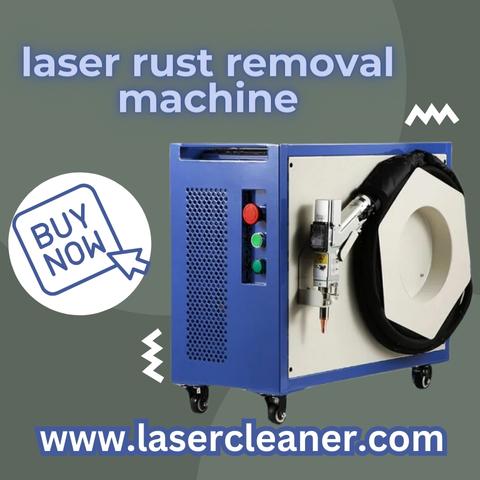
Rust can damage metal surfaces, affect product quality, and increase maintenance costs across various industries. Traditional rust removal methods, such as sanding, grinding, and chemical treatments, often require considerable labor and may leave unwanted marks or residue. Modern laser technology offers a practical alternative for businesses seeking accurate, controlled, and efficient metal surface cleaning.
A laser rust removal machine uses concentrated laser energy to remove rust, oxidation, and other unwanted contaminants from metal surfaces. It is suitable for applications in manufacturing, automotive repair, metal fabrication, equipment maintenance, and restoration projects. By selecting the right machine, businesses can improve their cleaning processes and prepare metal components for further production.
How Does Laser Rust Removal Work?
Laser rust removal works by directing a controlled laser beam onto a contaminated surface. The energy interacts with the rust layer, helping detach or vaporize unwanted material depending on the laser settings, contaminant type, and surface condition.
The process can remove corrosion while helping preserve the underlying metal when the equipment is correctly configured. Operators can adjust parameters such as laser power, scanning speed, and pulse settings according to the cleaning requirements.
Before starting a project, the metal type, rust thickness, and desired surface finish should be evaluated. Testing on a small area helps determine suitable operating parameters and reduce the risk of unwanted surface damage.
Applications Across Different Industries
Laser cleaning technology supports a wide range of industrial tasks. Its flexibility makes it useful for companies working with different metal products and production requirements.
Automotive Manufacturing and Repair
Automotive workshops frequently encounter rust on vehicle frames, engine components, brackets, and other metal parts. Laser cleaning can help prepare these components for welding, coating, painting, or restoration.
The controlled cleaning process is particularly useful when working with detailed components where aggressive mechanical methods may remove too much material.
Metal Fabrication and Welding
In metal fabrication facilities, surface preparation plays an important role in producing consistent results. Rust, oxidation, and certain surface contaminants can interfere with subsequent manufacturing operations.
A laser rust removal machine can help clean steel plates, metal profiles, fabricated structures, and selected welding areas before further processing. This supports a more organized production workflow and can reduce dependence on abrasive cleaning techniques.
Industrial Equipment Maintenance
Industrial machinery, tools, and metal structures may develop corrosion after prolonged exposure to moisture, chemicals, or outdoor conditions. Regular cleaning helps maintenance teams inspect surfaces and prepare equipment for protective treatments.
Laser cleaning can be used on suitable components to remove corrosion from selected areas without applying chemical rust removers. Operators must still assess the equipment's materials, coatings, and operating conditions before cleaning.
Restoration and Precision Work
Restoration projects often involve metal objects with intricate shapes, detailed surfaces, or historical value. Carefully controlled laser cleaning can help remove corrosion while retaining important surface details.
For delicate projects, specialists should use appropriate equipment settings and test the process on an inconspicuous area before treating the entire object.
Choosing the Right Laser Cleaning Equipment
Selecting suitable equipment requires an understanding of the intended workload, material types, and cleaning conditions. Different machines offer different power levels, laser configurations, scanning options, and working capabilities.
Laser power: Higher power may support faster removal of heavy contamination, but the ideal output depends on the material, rust thickness, and required finish.
Cleaning method: Continuous-wave systems are commonly considered for certain high-throughput cleaning applications, while pulsed systems can provide greater control for applications requiring careful surface treatment. The appropriate choice depends on the specific task.
Portability: Handheld systems are useful for maintenance teams and workshops that need to clean different components or move between work areas. Larger installations may be more appropriate for repetitive production operations.
Control system: An accessible control interface helps operators adjust cleaning parameters and maintain consistency across different jobs.
Supplier support: Consider training, technical assistance, spare parts availability, warranty terms, and maintenance requirements when comparing suppliers.
Operating Costs and Productivity
The overall cost of laser cleaning depends on the initial equipment investment, electrical consumption, maintenance, labor, and production volume. Businesses should evaluate the total cost of ownership instead of focusing exclusively on the purchase price.
Compared with conventional techniques, laser cleaning may reduce abrasive consumable use and the need to purchase chemical cleaning products. However, actual savings depend on the application, machine configuration, and local operating costs.
When evaluating a laser rust removal machine, request a demonstration using representative workpieces. Ask the supplier to measure cleaning speed, surface quality, energy consumption, and any additional finishing required. These results provide a more realistic basis for comparing equipment and estimating return on investment.
Safety and Maintenance Considerations
Laser cleaning requires appropriate safety procedures because industrial laser beams can cause serious eye and skin injuries. Equipment should be operated by trained personnel in a controlled work area with suitable laser-rated protective eyewear and other required safeguards.
Reflective metal surfaces require particular attention because reflected laser energy may create additional hazards. Depending on the material being removed, the process may also generate airborne particles, fumes, or vaporized contaminants. Suitable extraction and filtration systems should be selected for the specific application.
Routine maintenance should include inspecting optical components, cleaning accessible areas according to manufacturer instructions, checking cables and connections, and verifying safety systems. Proper maintenance helps support reliable operation and consistent cleaning results.
Finding a Reliable Laser Cleaning Supplier
A dependable supplier should explain the machine's specifications, recommended applications, operating requirements, and safety provisions clearly. Look for practical demonstrations, documented technical information, responsive after-sales support, and transparent warranty conditions.
Before placing an order, provide details about the metals you clean, typical rust thickness, required cleaning speed, and daily operating hours. This information allows the supplier to recommend equipment suited to your actual production needs rather than simply offering the highest-powered model.
Businesses should also confirm applicable electrical standards, shipping arrangements, installation requirements, and operator training before making a purchasing decision.
Final Thoughts
Laser technology offers modern metalworking businesses a controlled approach to removing corrosion and preparing surfaces for further processing. With suitable equipment selection, trained operators, and appropriate safety measures, laser cleaning can support applications ranging from automotive repair to industrial maintenance and precision restoration.
Choosing the right laser rust removal machine starts with understanding your materials, production goals, and cleaning requirements. Compare technical specifications, test the equipment on representative samples, and evaluate long-term operating costs before investing. A well-matched system can help streamline surface preparation and support consistent results across demanding industrial applications.

 English
 Arabic
 French
 Spanish
 Portuguese
 Deutsch
 Turkish
 Dutch
Dutch
 Russian
 Romaian
 Portuguese (Brazil)
 Greek
Greek
