


Labubu in the USA: From Niche Toy to Global Trend
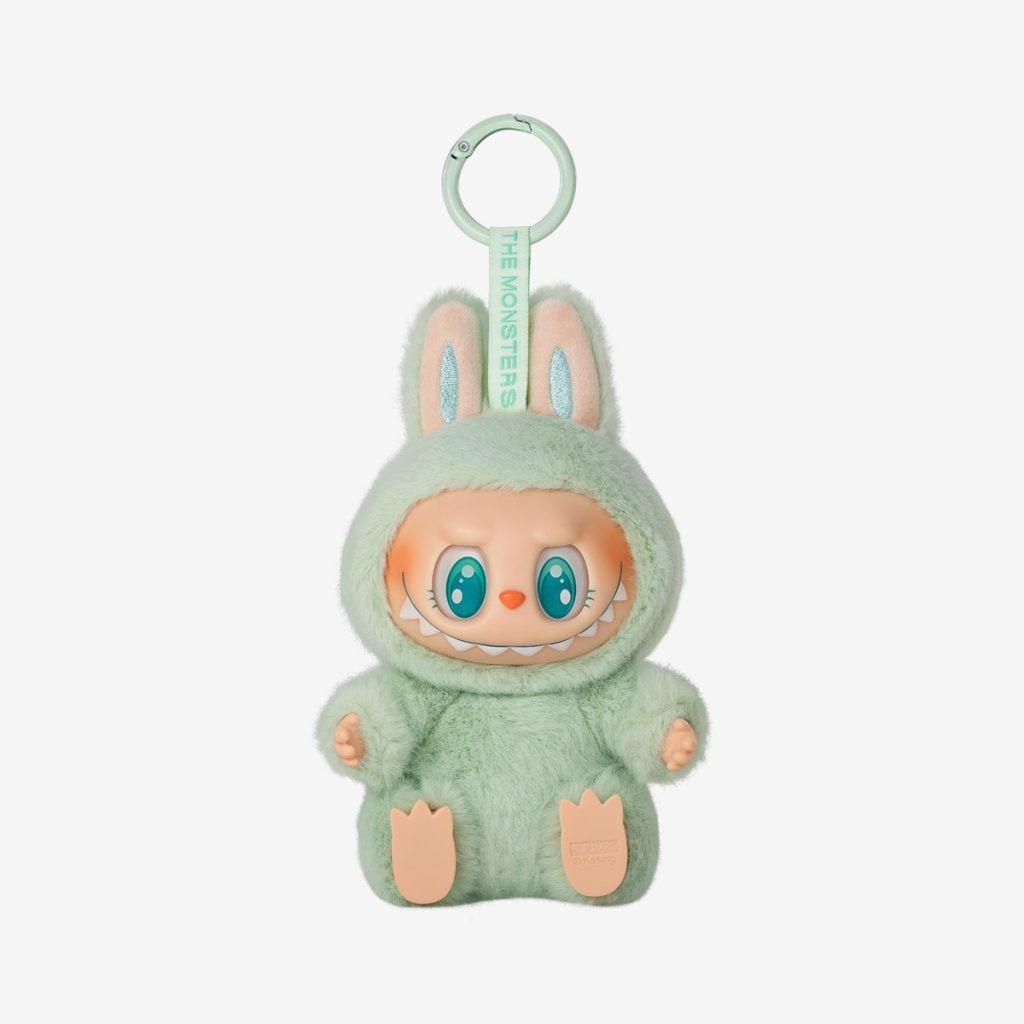
In recent years, few collectibles have experienced a rise as dramatic and unexpected as Labubu. What began as a quirky designer character in the world of art toys has transformed into a global cultural phenomenon—especially in the United States. From limited-edition drops to viral social media moments, Labubu has evolved from a niche collector’s item into a mainstream lifestyle trend embraced by fans, influencers, and fashion enthusiasts alike.
This article explores how Labubu made its way into the USA, why it resonates so strongly with modern audiences, and how it became one of the most recognizable figures in contemporary collectible culture.
The Origins of Labubu
labubu is a character created by Hong Kong-based artist Kasing Lung, who is widely known for his imaginative and slightly eerie yet playful art style. Labubu is part of a larger universe of characters that blend fantasy, childhood nostalgia, and emotional storytelling.
The character gained commercial success through collaborations with Pop Mart, a major player in the designer toy industry known for producing blind-box collectibles. Pop Mart helped bring Labubu from an artistic creation into a mass-produced collectible while still maintaining its limited-edition appeal.
What makes Labubu stand out is its distinctive design: wide eyes, mischievous expressions, and a whimsical monster-like appearance. It sits at the intersection of cute and strange—an aesthetic that resonates strongly with Gen Z and millennial collectors.
The Entry of Labubu into the USA Market
Labubu initially gained popularity in Asia, especially in China, Japan, and South Korea, where designer toy culture is already well established. However, its entry into the United States marked a turning point in its global recognition.
The American collectible market was already familiar with figures like Funko Pop, but Labubu introduced something different: a more artistic, limited, and emotionally expressive collectible. Unlike mass-market toys, Labubu figures often come in blind boxes, meaning buyers do not know which version they will receive. This element of surprise created excitement and repeat purchasing behavior.
In the USA, early adoption came through online communities, sneaker culture groups, and art toy collectors who were already engaged with niche streetwear and designer culture.
Social Media and Viral Popularity
One of the biggest drivers of Labubu’s rise in the USA is social media. Platforms like TikTok, Instagram, and YouTube turned Labubu from a collector’s item into a viral trend.
Unboxing videos became especially popular. Influencers would open blind boxes on camera, reacting to rare or secret editions of Labubu figures. These videos often gained millions of views, turning Labubu into a “must-have” item for collectors.
The visual appeal of Labubu also plays a huge role. Its unique design stands out in photos and videos, making it ideal for content creation. As a result, Labubu quickly became part of aesthetic-driven communities such as:
- “Cottagecore” collectors
- Kawaii and cute culture fans
- Streetwear lifestyle influencers
- Art toy enthusiasts
The character’s emotional and playful design made it highly shareable online, which accelerated its popularity in the American market.
The Blind Box Culture and Collectibility
A key factor in labubu doll success is the blind box model popularized by Pop Mart. Each box contains a random figure from a themed series, and some designs are rarer than others.
This system creates a strong sense of anticipation and excitement. Collectors often buy multiple boxes in hopes of completing a set or finding rare “secret” editions. In the USA, this model aligns closely with existing consumer behavior seen in trading cards, sneakers, and limited-edition streetwear drops.
The scarcity-driven structure also fuels resale markets. Rare Labubu figures can sell for significantly higher prices online, turning the hobby into both a passion and, for some, an investment opportunity.
Labubu and Streetwear Culture
Interestingly, Labubu’s rise in the USA is closely tied to streetwear culture. Collectors often display Labubu figures alongside sneakers, hoodies, and designer fashion items.
Streetwear is no longer just about clothing—it’s about identity and lifestyle. Labubu fits naturally into this ecosystem because it represents individuality, exclusivity, and artistic expression.
Many collectors showcase Labubu figures alongside brands like Essentials, Nike, and Supreme, treating them as part of a curated personal aesthetic. This crossover between fashion and collectibles has helped Labubu reach audiences who may not have traditionally been interested in toys.
Celebrity and Influencer Influence
As Labubu gained momentum, it began appearing in influencer content and celebrity-adjacent spaces. While not always directly endorsed by major celebrities, its presence in lifestyle posts and curated collections gave it credibility as a trend.
Fashion influencers in the USA have played a major role in normalizing Labubu as a lifestyle accessory rather than just a toy. It is now common to see Labubu displayed in:
- Studio setups
- Shelf displays in fashion rooms
- Sneaker unboxing backgrounds
- Aesthetic Instagram feeds
This visibility reinforces its status as a cultural object rather than just a collectible figure.
Why Labubu Resonates with American Consumers
Several cultural factors explain Labubu’s success in the United States:
1. Emotional Design
Labubu combines cute and slightly strange features, creating emotional depth that feels more artistic than commercial.
2. Nostalgia
Many adult collectors are drawn to toys that reconnect them with childhood joy, but with a modern, artistic twist.
3. Exclusivity
Limited drops and blind boxes create urgency and scarcity, which are highly valued in modern consumer culture.
4. Aesthetic Lifestyle
Labubu fits seamlessly into curated visual lifestyles shared on social media.
5. Community Engagement
Collectors actively share, trade, and discuss figures, building strong online communities.
The Rise of the Resale Market
As demand for Labubu increased in the USA, a strong resale ecosystem emerged. Rare figures and limited editions often appear on secondary marketplaces at inflated prices.
This mirrors trends seen in sneaker culture and trading cards. The resale value adds another layer of appeal, as collectors feel they are participating in both a hobby and a potential investment market.
However, it also raises concerns about accessibility, as popular figures can quickly sell out and become difficult to obtain at retail prices.
Labubu as a Cultural Symbol
Today, Labubu is more than just a toy. It represents a shift in how people consume art, fashion, and collectibles. It sits at the intersection of:
- Designer toy culture
- Streetwear aesthetics
- Social media influence
- Globalized consumer trends
In the USA, it has become a symbol of modern collecting—where identity, aesthetics, and community matter just as much as the object itself.
Conclusion
The journey of have a seat labubu from a niche art toy to a global trend in the USA reflects broader changes in consumer culture. Driven by social media, blind box excitement, and strong visual identity, Labubu has captured the attention of a new generation of collectors.
Through the creative vision of Kasing Lung and the distribution power of Pop Mart, Labubu has successfully crossed cultural and geographic boundaries to become a defining figure in modern collectible culture.
As trends continue to evolve, Labubu’s influence shows no sign of slowing down. It stands as a clear example of how art, commerce, and digital culture can merge to create something truly global.

 English
 Arabic
 French
 Portuguese
 Deutsch
 Turkish
 Dutch
Dutch
 Italiano
 Russian
 Romaian
 Portuguese (Brazil)
 Greek
Greek
