


Dry Van Loads and Dispatch Services: Reliable Freight Solutions for Trucking Businesses
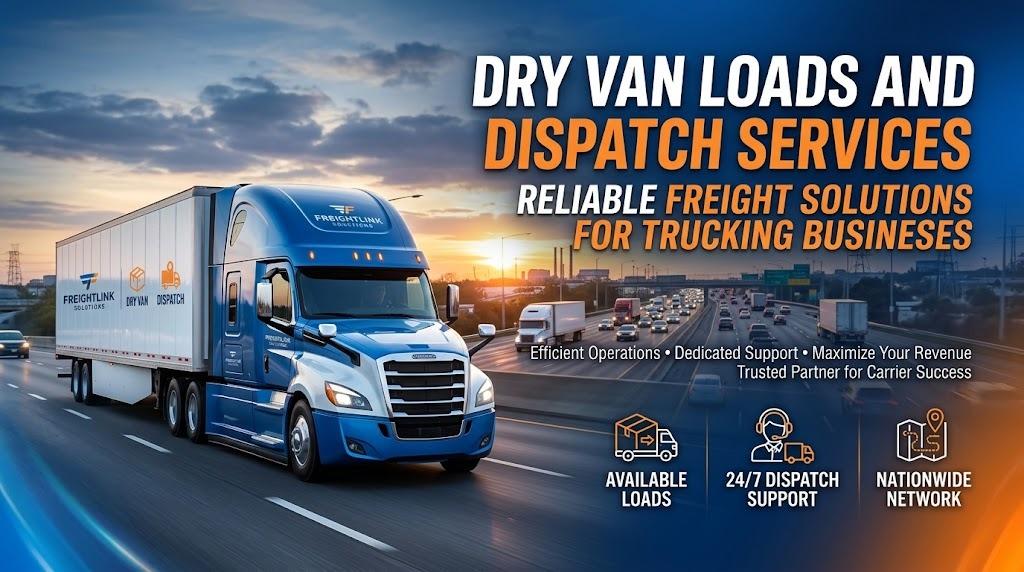
Dry van transportation is one of the most widely used freight shipping methods in the trucking industry. It allows businesses to move a variety of goods safely inside enclosed trailers, protecting shipments from weather conditions, road debris, and outside exposure. From packaged consumer products to building materials and retail inventory, dry van trucking supports supply chains across the United States.
Finding consistent dry van loads is important for owner-operators, independent truck drivers, and trucking companies that want to keep their equipment moving and maintain steady revenue. With the right freight opportunities, route planning, and dispatch support, carriers can manage their schedules more effectively and reduce unnecessary downtime.
What Are Dry Van Loads?
Dry van loads are shipments transported using enclosed trailers, typically measuring 53 feet in the United States, although other sizes are also available. These trailers are designed to carry non-refrigerated freight that does not require temperature-controlled transportation.
Common types of dry van freight include packaged food, clothing, electronics, furniture, household products, paper goods, and non-perishable supplies. Because these trailers accommodate many types of general cargo, dry van trucking offers flexibility for carriers serving different industries.
Drivers looking for dry van loads should consider the shipment's weight, pickup and delivery locations, loading requirements, delivery deadlines, and offered rate before accepting a load. Reviewing these details helps carriers select freight that fits their equipment, schedule, and business goals.
Finding Consistent Dry Van Freight Loads
Access to reliable dry van freight loads can help trucking businesses reduce empty miles and improve equipment utilisation. However, choosing freight involves more than finding a shipment that pays well. Carriers also need to consider fuel expenses, tolls, driver hours, market conditions, and the distance required to reach the pickup location.
Freight brokers, load boards, direct shipper relationships, and dispatch providers are common sources of available shipments. Each option offers different advantages depending on the carrier's operating model and experience.
When evaluating a load, consider these important factors:
-
Freight rate: Calculate whether the offered payment covers operating costs and leaves a reasonable margin.
-
Route efficiency: Review the pickup and delivery locations to identify practical routes and potential backhaul opportunities.
-
Deadhead miles: Account for empty travel before pickup and after delivery when assessing profitability.
-
Broker reliability: Review payment terms, communication, and available business information before agreeing to a shipment.
-
Load requirements: Confirm cargo details, weight limits, appointment times, and any special handling instructions.
A consistent approach to load selection can help carriers make informed decisions and build a more predictable freight operation.
How a Dry Van Dispatch Service Helps Carriers
Managing freight searches, broker calls, rate negotiations, and delivery schedules can take considerable time. A professional dry van dispatch service helps carriers handle these responsibilities so they can concentrate on driving, vehicle maintenance, and other essential business tasks.
Depending on the agreement, dispatch support may include finding suitable loads, communicating with brokers, negotiating rates, coordinating pickup and delivery appointments, and organising load documentation.
Dispatchers can also help carriers assess available freight based on their preferred routes, equipment, schedule, and business requirements. For example, an owner-operator who wants to minimise empty miles may benefit from a dispatcher who considers the next available shipment before confirming the current delivery.
Before hiring a dispatch provider, ask about service fees, cancellation terms, communication methods, and the specific tasks included in the agreement. A clear understanding of these details helps establish a productive working relationship.
Benefits of Professional Dry Van Transportation Services
Reliable dry van transportation services support businesses that need to move general freight between warehouses, distribution centres, manufacturers, retailers, and other commercial locations.
Enclosed trailers provide protection against rain, dust, and many other external elements during transit. They are suitable for palletised cargo and shipments that need secure enclosure but do not require refrigeration.
Key benefits include:
Versatile freight capacity: Dry van trailers accommodate a broad range of packaged and non-perishable products, making them useful across multiple industries.
Weather protection: Enclosed trailers help protect cargo from direct exposure to changing weather conditions during transportation.
Flexible shipping options: Carriers can handle regional, long-distance, and interstate shipments, depending on their operating authority, equipment, and available freight.
Simplified cargo handling: Many dry van shipments use pallets and standard loading procedures, although requirements vary by commodity and facility.
Broad market demand: Retail, manufacturing, wholesale, and distribution businesses regularly depend on general freight transportation to move goods through their supply chains.
Choosing a suitable carrier or dispatch partner can help businesses coordinate shipments while giving trucking companies better control over their operations.
Tips for Improving Dry Van Trucking Profitability
Running a profitable dry van operation requires careful planning. Even when a load offers an attractive rate, additional costs can affect the final earnings.
Start by tracking fuel consumption, maintenance, insurance, driver expenses, tolls, and other operating costs. Calculate revenue per mile using both loaded and empty miles to understand the actual performance of each trip.
Keep important documents organised, including rate confirmations, bills of lading, proof of delivery, and broker agreements. Timely paperwork can help reduce administrative delays and support payment processing.
Carriers should also maintain regular communication with brokers and dispatchers. Reporting delays early, confirming appointment details, and checking delivery instructions can reduce avoidable problems.
Finally, review freight options before completing each trip. Planning the next load in advance may reduce downtime and help keep the truck moving towards its next revenue opportunity.
Frequently Asked Questions
1. What types of freight can dry van trucks carry?
Dry van trucks commonly transport packaged food, clothing, furniture, electronics, retail products, paper goods, and other general freight that does not require refrigeration.
2. Where can I find dry van loads?
Carriers can find dry van loads through freight load boards, brokers, direct shipper relationships, and dispatch services. The most suitable option depends on the carrier's location, equipment, operating authority, and preferred routes.
3. What does a dry van dispatch service do?
A dry van dispatch service helps carriers locate freight, communicate with brokers, negotiate load rates, coordinate appointments, and manage shipment paperwork, depending on the services included in the agreement.
4. How can I choose the right dry van freight loads?
Compare the offered rate with operating costs, loaded and empty miles, route suitability, delivery deadlines, cargo weight, and broker reliability before accepting a shipment.
5. Are dry van transportation services suitable for long-distance shipping?
Yes. Dry van transportation services are commonly used for regional and long-distance freight across the United States. The appropriate route and schedule depend on shipment requirements, driver hours, and carrier availability.
6. How can owner-operators reduce empty miles?
Owner-operators can plan backhaul shipments, review freight opportunities near delivery locations, coordinate with dispatchers, and compare routes before accepting loads. These steps may help reduce unproductive driving.
Conclusion
Dry van trucking remains an important part of the freight transportation industry because it offers flexibility for moving a wide range of general cargo. Finding suitable dry van loads, evaluating profitable dry van freight loads, and managing operations efficiently can help carriers make better use of their trucks.
With a reliable dry van dispatch service and well-planned dry van transportation services, owner-operators and trucking companies can improve load coordination, reduce unnecessary empty miles, and manage their freight businesses more effectively. Careful planning, clear communication, and informed load selection are essential for building a sustainable trucking operation.

 English
 Arabic
 French
 Spanish
 Portuguese
 Deutsch
 Turkish
 Dutch
Dutch
 Italiano
 Russian
 Portuguese (Brazil)
 Greek
Greek
