


How Do Deep Water Pumps Solve Global Agricultural Scarcity?
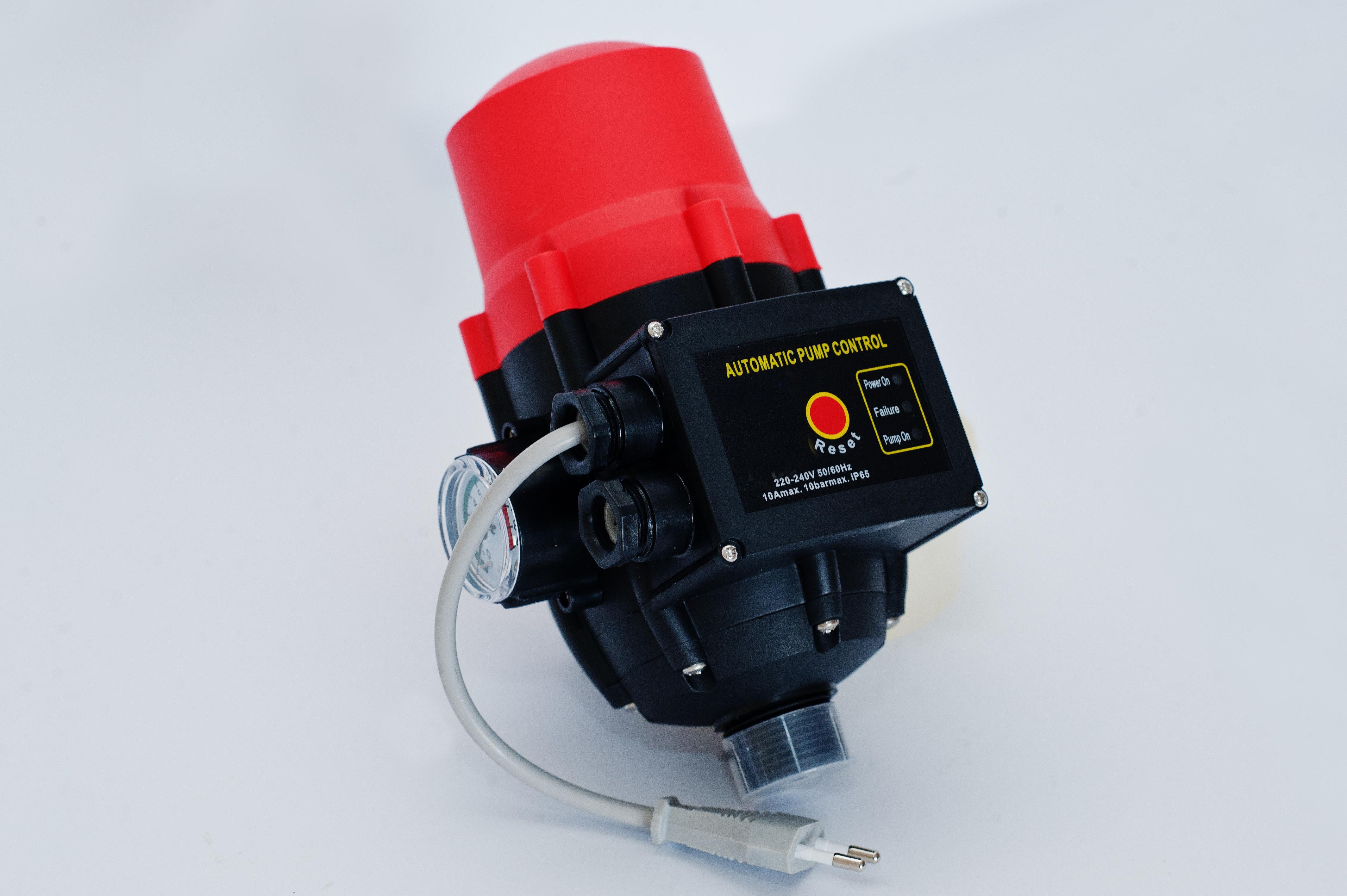
Water scarcity currently threatens global agriculture and modern industrial zones alike. Farmers observe rapidly dropping water tables each season. Facility managers struggle with dense wastewater disposal on a daily basis. Finding an efficient fluid extraction method remains a critical operational priority. Traditional surface methods lack the necessary reach to access deep underground reserves. They lose suction at greater depths, consume considerable electrical power, and experience frequent mechanical failures.
Communities require reliable infrastructure to access deep aquifers efficiently. This requirement highlights the value of choosing a modern Energy Saver Pump to minimize grid reliance. These devices operate effectively deep underground. They push fluids upward instead of pulling them. This mechanical difference eliminates suction loss completely. They operate quietly beneath the surface, keeping crop fields hydrated and industrial processes active without drawing notable utility costs.
The Economic Impact Of Traditional Pumping
Conventional farming operations face notable economic pressures due to rising energy costs. According to recent national agricultural census data, over 1.4 million tube wells extract groundwater across Pakistan to irrigate millions of hectares of crops. Operating these traditional tube wells with outdated equipment drains financial resources quickly. Recent energy regulatory reports indicate that high-consumption electricity tariffs have escalated significantly, often exceeding 50 rupees per unit when taxes and surcharges are included. Furthermore, diesel fuel costs remain highly volatile. This continuous expenditure forces small-scale landholders to seek alternative engineering solutions.
When an old, inefficient heavy water pump motor runs continuously, it draws high electric currents. This persistent high amperage overheats local transformers and damages internal wiring insulation. It leads to frequent mechanical breakdowns during peak harvest seasons. Farmers lose crucial time waiting for technicians. Crops suffer under the sun while the machinery sits in a repair workshop. Upgrading to optimized systems addresses these persistent financial losses directly, providing a more stable foundation for seasonal crop planning.
Technical Shifts Toward Renewable Efficiency
Renewable energy integration changes the dynamic of resource extraction. Direct current technology allows equipment to interface directly with solar arrays without needing complex power inverters. Utilizing a modern DC submersible pump in Pakistan helps rural landowners bypass grid failures entirely. These units use high-torque motors that initiate fluid movement under low sunlight conditions. They start working early in the morning and continue until sunset. This autonomous functionality reduces manual labor requirements on the farm. Expert Insight: A reliable solar-powered pumping system matches the geographical needs of arid zones perfectly. These regions receive high annual sunshine, providing a consistent supply of renewable energy. The initial setup cost is offset within a few seasons due to the notable reduction in monthly power bills. Farmers can reinvest these savings into better seeds and advanced fertilizers, improving total agricultural yield.
Choosing The Right Pump For Long-Term Performance
Selecting the correct extraction equipment ensures long-term operational stability. Facility managers and agricultural planners must evaluate several key factors before installation. The primary consideration is well depth. Deep aquifers require specialized machinery capable of generating enough head pressure to lift the fluid vertically.
Water quality also dictates the choice of materials. If the underground water source contains high levels of sand, silt, or corrosive minerals, standard consumer equipment wears out quickly. In these scenarios, a heavy water pump motor built with cast iron or stainless steel components becomes necessary. These heavy-duty materials resist abrasion and prevent premature degradation of the internal impellers.
Flow requirements represent another critical factor. Operators must calculate the exact volume of water needed per hour to satisfy their irrigation networks or industrial cooling systems. Oversized motors waste electricity, while undersized motors run continuously without meeting the demand. Properly sizing the equipment ensures efficient energy use and extends the lifespan of the entire system.
Maximizing Conservation And Flow
Smart water distribution requires highly precise flow controls. Modern agricultural setups combine efficient extraction devices with drip irrigation networks to conserve resources. This combination ensures every single drop of water reaches plant roots directly. It prevents surface runoff and eliminates waterlogging problems in clay-heavy soils. Hydrology experts emphasize that matching pump output to the natural replenishment rate of the aquifer protects long-term underground reserves.
Industrial users also gain considerable benefits from upgrading their hardware. Wastewater treatment plants must process thousands of gallons of dense fluid daily. Deploying an advanced Energy Saver Pump reduces corporate energy footprints substantially. This reduction aligns with global sustainability goals and lowers factory overhead costs. Efficient fluid management keeps manufacturing lines operating smoothly without environmental violations.
Geographic factors dictate equipment selection heavily. Installing a suitable DC submersible pump in Pakistan helps local operators address regional environmental variables accurately. Custom configurations manage varying salinity levels in the groundwater. They match precise well-depth profiles perfectly. They provide rural farming communities with reliable tools to sustain agricultural production despite shifting climates.
Frequently Asked Questions
What Are The Main Benefits Of Using Solar Pumping Equipment?
Solar equipment uses direct sunlight to power fluid extraction. This design significantly reduces monthly electricity bills and fuel expenses. It allows operations to continue normally during electrical grid blackouts.
Why Do Traditional Motors Overheat During Summer?
Traditional motors suffer from high internal friction and inadequate heat dissipation. Intense summer temperatures combined with voltage fluctuations cause the electrical windings to overheat, which damages internal insulation.
How Does Head Pressure Affect Water Delivery Volume?
Head pressure represents the total vertical height the fluid must travel. As the vertical distance increases, the machine requires more power to move the water. Matching the motor capacity to the exact well depth ensures a steady flow rate.
Can Industrial Pumping Systems Manage Fluids Containing Debris?
Yes, industrial systems feature specialized impellers that process solid particles without clogging. They displace debris smoothly to maintain consistent pipeline pressure in challenging environments.

 Arabic
 French
 Spanish
 Portuguese
 Deutsch
 Turkish
 Dutch
Dutch
 Italiano
 Russian
 Romaian
 Portuguese (Brazil)
 Greek
Greek
