


Why Is Female Literacy Still The Ultimate Global Priority?
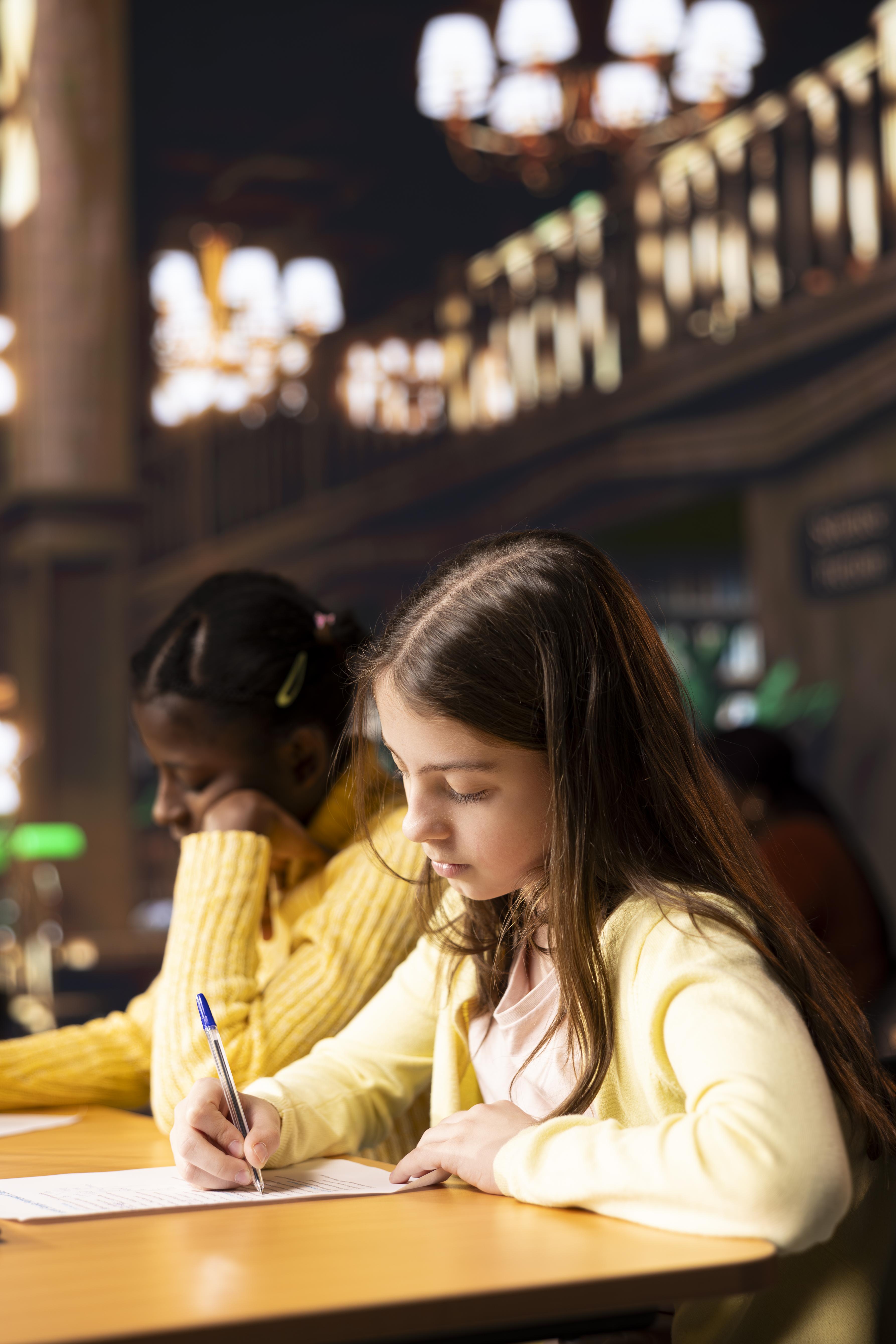
A young girl sits on a wooden bench, flipping through a borrowed book. The pages are worn, but her focus is razor-sharp. Across the world, millions of girls share this identical thirst for learning. They know that a classroom is the single place where their future can be rewritten. Yet, a massive gap remains between their ambition and reality. In 2026, the conversation about schooling has moved past simple enrollment numbers. It is about deep, structural transformation. When we look at global communities, we quickly realize that keeping girls in school changes everything. It alters the economic, health, and social fabric of an entire nation.
Understanding The Real Problems Of Women Education
The hurdles that keep a girl from finishing her schooling are rarely simple. They are tied to a complex mix of poverty, geography, and deep-seated cultural expectations. In many rural districts, the problems of women education begin with something as basic as infrastructure. If a school lacks a solid boundary wall or a functional female bathroom, parents will simply keep their daughters at home. Safety during the daily commute is another massive worry. Long, isolated walks to a distant campus put young girls at risk of harassment, forcing families to prioritize safety over a syllabus.
Economic pressure makes these choices even harder. When a family can barely afford a single meal, paying for school uniforms and transport tokens is out of the question. If a choice must be made, resources usually go to the sons. The daughters stay behind to look after younger siblings or fetch water. This old dynamic traps girls in a cycle of dependency. It prevents them from ever testing their true intelligence. Addressing the problems of women's education requires tackling these hidden structural and financial walls simultaneously.
The Power Of A Dedicated Girls Education Program
To shatter these generational cycles, targeted and localized action is necessary. A well-designed girls education program does not just build four walls and call it a day. It works directly with village elders to change mindsets and prove the long-term value of literacy. These initiatives actively remove the practical friction that forces girls to drop out during their teenage years.
When a community deploys a specific women education program, the physical environment transforms instantly.
-
Dedicated Transport: Arranging private, secure vans to pick up rural students directly from their doorsteps.
-
Sanitation Security: Building private, clean bathrooms so girls do not have to miss a week of school every month.
-
Financial Subsidies: Supplying free textbooks, notebooks, and dynamic merit-based scholarships.
-
Community Advocacy: Hosting regular meetings with parents to show that an educated daughter can earn a stable living.
This hands-on method changes the entire atmosphere of a village. Parents stop looking at their daughters as a financial burden. Instead, they begin to see them as future teachers, nurses, and independent household leaders.
How Global Philanthropy Steps In To Help
Public budgets face extreme strain, often leaving remote rural regions completely forgotten. This is where specialized foundations that support education become an absolute lifeline for civil society. Private philanthropy builds the modern classrooms, computer labs, and solar-powered water stations that public funding cannot reach. These groups know that you cannot create a modern workforce using outdated tools.
The strategy of these foundations is that education focuses heavily on sustainability and local trust. A phenomenal example of this localized dedication is the Ghazali Education Foundation, which actively sets up schools in the most remote, low-income pockets of the country. By training local women to become qualified teachers, they ensure that the schools feel familiar and safe to conservative communities. This brilliant approach ensures that enrollment stays high and that girls can learn in an environment that respects their cultural traditions.
Building A Legacy of Human Dignity
True empowerment is not about giving a handout; it is about handing over the keys to a better life. When we support transparent, community-led learning networks, we are protecting our shared human dignity. Every single school desk filled by a young girl represents a victory over despair.
The story of the future is being written inside these quiet classrooms. By giving young women the tools to think, write, and innovate, we unlock a massive, untapped goldmine of human talent. Let us keep pushing forward until every single girl has the safe space she needs to learn, grow, and fly.
Frequently Asked Questions
Why is secondary education more critical for a girl than primary school?
While primary school teaches basic reading, secondary school builds critical thinking, scientific knowledge, and professional skills. It is during the teenage years that the risk of early marriage is highest, so keeping a girl enrolled through high school is the best way to secure her future independence.
How do local education non-profits gain the trust of conservative rural families?
Successful organizations achieve this by involving community elders in school management and hiring female teachers from the local area. This approach respects local cultural norms while ensuring that the school becomes a trusted, permanent part of the neighborhood.
Can small individual donations really make an impact on global literacy?
Yes, because localized organizations operate with minimal overhead costs. A donation that matches the price of a coffee can provide a girl with notebooks, pencils, or a school uniform for an entire term, keeping her in the classroom.
How do modern foundations handle school operations during economic crises?
They utilize pooled endowment funds and set up solar power systems to keep campuses running without relying on expensive public electricity grids. They also provide dry food rations to families to ensure children are not pulled out of school to work.
What happens to female graduates after they finish their high school tracking?
Reputable programs transition older students into vocational training centers, digital literacy camps, or university scholarship pathways so they can turn their academic success into a stable, high-paying career.

 English
 Arabic
 French
 Spanish
 Portuguese
 Deutsch
 Turkish
 Dutch
Dutch
 Italiano
 Romaian
 Portuguese (Brazil)
 Greek
Greek