


Power Station Camping: A Practical Guide for Outdoor Adventures
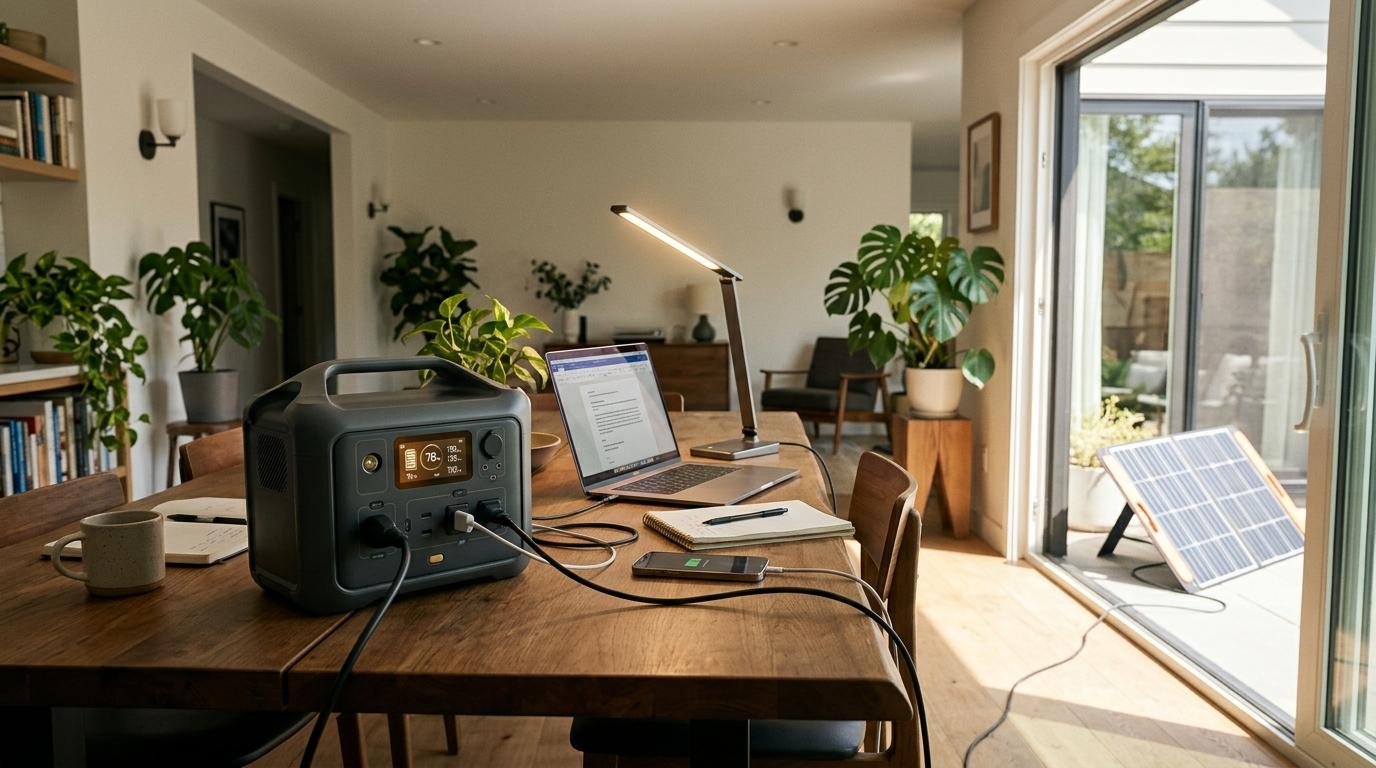
Camping offers an opportunity to spend time outdoors, enjoy natural surroundings, and take a break from everyday routines. However, modern campers often bring electronic devices that need reliable power, including phones, headlamps, cameras, GPS units, and portable refrigerators. A power station camping setup can provide convenient electricity for these essentials without requiring a traditional fuel-powered generator.
Portable power stations store electricity in rechargeable batteries and supply it through different outlets. Depending on the model, they can charge small electronics, operate selected camping equipment, and support lighting or other low-power devices at a campsite.
The right choice depends on trip length, group size, equipment requirements, and access to charging. A compact station may be sufficient for a weekend trip, while longer stays and energy-intensive equipment may require a larger battery and a reliable recharging plan.
What Is a Camping Power Station?
A camping power station is a portable battery-powered unit designed to supply electricity away from conventional wall outlets. Most models include USB connections, and many also provide AC outlets and DC outputs for compatible equipment.
Unlike fuel-powered generators, battery power stations do not produce exhaust gases during normal battery operation. They are generally quieter, making them useful for campsites where noise can disturb other visitors or wildlife.
However, they have finite stored energy. Once the battery is depleted, the station must be recharged before it can continue supplying power. The available charging methods and charging speed therefore matter as much as battery size.
Camping power stations are available in various sizes. Smaller units are easy to carry and work well for charging electronics, while larger models can support additional equipment if their output and battery capacity are sufficient.
Why Bring a Power Station on a Camping Trip?
Charging Phones and Communication Devices
Phones are useful for navigation, weather updates, photography, and emergency communication. A power station allows campers to recharge these devices without relying on a vehicle or campsite electrical hookup.
The number of charges available depends on battery capacity, the phone's battery size, charging losses, and how much energy remains available for other equipment.
Campers should still carry suitable emergency communication equipment for remote areas where mobile coverage may be limited. A power station cannot provide network coverage where none exists.
Operating Camping Lights
Rechargeable lanterns and LED lights can make evening activities more convenient. Some campers use a power station to recharge their lights, while others operate compatible low-power lighting directly from the unit.
Choosing energy-efficient lights helps reduce battery consumption. It also makes it easier to reserve energy for essential electronics during longer trips.
Powering Cameras and Outdoor Electronics
Photography equipment, action cameras, GPS devices, and some laptops may benefit from a portable charging source. Before leaving, check the voltage and charging requirements of your equipment and confirm that the station provides compatible connections.
Devices that support USB charging can often be connected directly through an appropriate port, reducing the need for extra adapters.
Supporting Portable Refrigeration
Some campers bring a portable electric refrigerator or cooler to keep food and drinks cold. These devices can use significantly more energy than phones or lights, especially in warm conditions.
If you plan to use refrigeration, check its daily energy consumption and the power station's usable capacity. Account for ambient temperature, ventilation, thermostat settings, and how frequently the lid is opened.
A small battery that works well for electronics may not provide enough runtime for a refrigerator over several days.
How Much Battery Capacity Do You Need?
Battery capacity is generally measured in watt-hours (Wh). It represents the amount of energy stored in the battery, although not all stored energy will be available to connected devices.
The most useful capacity depends on the devices you bring and how often you use them.
Small Power Stations
Compact units may suit short trips focused on charging phones, wireless earbuds, small cameras, and other low-power electronics. Their lower weight can make them convenient for car camping and situations where equipment must be carried over short distances.
These models may not have enough output or energy to support a refrigerator, electric cooking appliance, or several high-power devices at once.
Medium-Capacity Power Stations
Medium-sized units may offer a balance between portability and available energy. They can be useful for campers who need to charge multiple devices, run lighting, or support selected low-power accessories over a weekend.
Whether a medium-sized model meets your needs depends on total consumption rather than its category name. Compare the capacity rating with the estimated energy requirements of your equipment.
Large Power Stations
Larger stations store more energy and may provide higher AC output. They can support more demanding camping arrangements, including some portable refrigerators and other compatible appliances.
The trade-off is weight, size, cost, and potentially longer charging times. A large unit may be appropriate for vehicle-based camping but less convenient for backpacking or hikes where every kilogram matters.
Calculate Your Camping Power Requirements
Before purchasing a unit, prepare a list of the equipment you expect to use.
Estimate each device's power consumption and multiply it by its expected operating time. For example, a 10W light used for five hours consumes approximately 50Wh. A 5W device used for four hours consumes another 20Wh.
Together, these devices would require about 70Wh before accounting for conversion losses or other system consumption.
Repeat the calculation for your phone, camera, laptop, refrigerator, or other equipment. Add the estimates to create a daily energy budget, then multiply by the number of days between charging opportunities.
This method helps prevent two common problems: carrying a station that is unnecessarily heavy or choosing a unit that runs out of power before the trip ends.
Important Features to Look For
Portability and Weight
Weight matters when travelling to a campsite. Car campers may be comfortable transporting a larger unit, while hikers generally benefit from lighter equipment.
Check the dimensions, handle design, and whether the station can be moved easily with the rest of your camping gear. A larger battery is not always the most practical choice if carrying it becomes difficult.
Output Ports
Look for the connections required by your devices. USB-A and USB-C ports can support many phones, tablets, and other electronics, while DC outputs may suit specific camping equipment.
AC outlets are useful for compatible devices that require household-style power, but using an AC inverter may consume additional energy. Direct USB or DC charging can be more efficient when supported by the equipment.
Always verify the station's total output limits, not just the number of available ports.
Battery Chemistry and Cycle Life
Many modern power stations use lithium-based batteries. Lithium iron phosphate batteries, commonly called LiFePO4 or LFP, are often selected for their cycle life and thermal stability.
Other battery chemistries may offer different advantages in weight, energy density, price, or design. Compare manufacturer specifications, warranty conditions, and expected service life rather than relying on one feature alone.
Display and Monitoring
A clear display can show remaining battery charge, input power, output consumption, and estimated runtime. This information helps campers adjust their energy use before the battery becomes depleted.
Some models provide app-based monitoring, while others use a basic screen. Either approach can be useful if the displayed information is clear and accurate enough for trip planning.
Weather Resistance
Camping equipment may encounter dust, humidity, light rain, or accidental splashes. Do not assume that a power station is waterproof or safe to leave outside.
Check its specified ingress protection rating, if provided, and follow the manufacturer's instructions for outdoor use. Keep electrical connections dry and protect the unit from direct exposure to rain, flooding, and extreme temperatures.
Charging a Power Station at a Campsite
Solar Panel Charging
Solar panels can recharge a compatible power station during daylight hours. This option is particularly useful for extended camping trips where mains electricity is unavailable.
Actual charging performance depends on sunlight, shade, panel angle, weather, season, and the station's maximum solar input. Trees and nearby hills can reduce available sunlight, even on a clear day.
Check the panel's voltage, current, connector, and wattage against the power station's supported input specifications. Carrying a compatible panel may add weight, but it can reduce dependence on other charging sources.
Vehicle Charging
Some power stations can recharge from a compatible vehicle outlet. This can be convenient for road trips and campsites reached by car.
Vehicle charging may be slower than wall charging, so check the manufacturer's expected charging rate and plan accordingly. Follow the instructions for your vehicle and power station, and avoid depleting the vehicle's starting battery.
Never run a combustion-engine vehicle in an enclosed space because exhaust gases can be deadly.
Mains Charging
If the campsite offers electrical hookups or you can recharge before leaving home, wall charging may be the simplest option. Check the required charging time and leave enough time to prepare the battery before departure.
A charging plan that combines mains charging before the trip with solar or vehicle charging later can offer more flexibility.
Tips for Extending Battery Runtime
Small adjustments can help your power station last longer.
Use energy-efficient LED lighting and switch off devices when they are not needed. Enable power-saving settings on laptops and phones, and charge electronics directly through USB when possible.
Avoid operating appliances continuously when shorter periods of use are sufficient. For a compatible portable refrigerator, suitable temperature settings and good ventilation can help manage energy demand.
Monitor the remaining battery level throughout the trip. If cloudy weather reduces solar charging, prioritize essential devices and reduce optional consumption.
Camping Power Station Safety
Keep the station on a stable, dry surface and protect it from water and excessive heat. Do not block cooling vents or expose the battery to temperatures outside its specified operating range.
Inspect cables and connectors before use, and avoid damaged charging equipment. Use only compatible solar panels, adapters, and charging sources.
Although battery power stations do not produce exhaust during operation, their batteries and electrical components still require careful handling. Follow the manufacturer's safety instructions, especially when charging or using the station inside a tent, vehicle, or enclosed shelter.
Do not attempt to open, repair, or modify the battery unless the manufacturer specifically authorizes the work. If the unit shows signs of swelling, unusual heat, smoke, or damage, stop using it and follow the manufacturer's emergency guidance.
Common Mistakes When Choosing a Camping Power Station
One common mistake is buying based only on battery capacity. A station may store sufficient energy but lack the output required to operate a particular appliance.
Another is overlooking recharging opportunities. A large battery can still run out during a multiday trip if daily consumption exceeds the energy restored through solar, vehicle, or mains charging.
Some campers also underestimate weight, forget to check connector compatibility, or assume that outdoor equipment is waterproof. Reviewing these factors before departure helps avoid unnecessary inconvenience.
Finally, avoid planning a trip around a manufacturer's ideal runtime estimate without accounting for actual device loads, weather, and conversion losses.
Conclusion
A camping power station provides a convenient way to recharge electronics and operate selected outdoor equipment without relying on a fuel-powered generator. The right model depends on battery capacity, output requirements, weight, available connections, and the length of the trip.
Calculate your expected energy use, confirm appliance compatibility, and plan how you will recharge the unit during your stay. With suitable preparation and safe handling, a portable power station can make camping more comfortable while keeping essential devices ready for use.
Frequently Asked Questions
What size power station is best for camping?
The best size depends on the equipment you bring, how long you will be away, and whether you can recharge the battery. Small units may suit electronics, while larger units may be needed for refrigeration and other demanding loads.
Can a camping power station be charged with solar panels?
Yes, if the station supports solar input and the panels meet its electrical specifications. Charging time varies with sunlight, shading, and input limits.
Can a power station run a portable camping refrigerator?
Some models can, but you should check the refrigerator's energy consumption, startup requirements if applicable, and the station's usable capacity.
Is a power station better than a generator for camping?
A battery power station is generally quieter and produces no exhaust during normal battery operation. A fuel generator may provide longer operation when fuel is available, but it produces exhaust and noise and must be used outdoors in accordance with its instructions.
Can I take a large power station backpacking?
It depends on its weight and dimensions. Larger units are generally more practical for car camping, while backpacking usually calls for a lighter power source suited to essential electronics.

 English
 Arabic
 French
 Portuguese
 Deutsch
 Turkish
 Dutch
Dutch
 Italiano
 Russian
 Romaian
 Portuguese (Brazil)
 Greek
Greek
