


Building Inspection: A Complete Guide to Property Safety and Quality
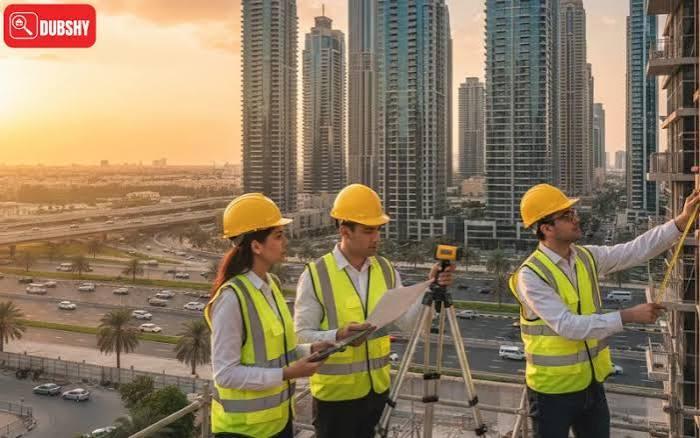
Building inspection is an essential process for evaluating the safety, quality, condition, and overall performance of a residential or commercial property. Whether you are purchasing a new home, investing in commercial real estate, planning renovations, or preparing a newly constructed building for handover, a professional inspection can help you understand the property's actual condition.
Many property owners focus on appearance, location, and price when making real estate decisions. However, a building may have hidden defects that are difficult to identify without a detailed assessment. Problems involving electrical systems, plumbing, waterproofing, structural components, ventilation, and finishing work can lead to expensive repairs if they remain unnoticed.
A professional building inspection helps identify these concerns before they become serious issues. It provides useful information about the property's condition and allows owners, buyers, investors, and developers to make informed decisions.
In a competitive property market such as Dubai, building inspection is particularly valuable because properties can involve complex construction systems, demanding environmental conditions, and significant financial investments. Understanding the inspection process can help property owners protect their investments and maintain safe, comfortable living and working environments.
What Is Building Inspection?
Building inspection is a systematic assessment of a property's visible condition, construction quality, safety features, and essential building systems. The inspection is usually performed by a qualified professional who examines different parts of the property to identify defects, maintenance concerns, incomplete work, and potential risks.
The exact scope depends on the property type, its age, the inspection purpose, and the agreement between the client and the inspection provider.
During an inspection, professionals may assess walls, ceilings, floors, doors, windows, roofing, plumbing fixtures, electrical installations, drainage, and ventilation. They may also look for moisture penetration, cracks, uneven surfaces, damaged materials, and signs of poor workmanship.
The findings are generally documented in an inspection report. This report helps the property owner understand which issues require immediate attention, which defects need repair, and which areas may require further specialist investigation.
Building inspection does not automatically guarantee that every hidden defect will be discovered. Its effectiveness depends on accessibility, inspection scope, testing methods, and the qualifications of the professional conducting the assessment.
Why Building Inspection Is Important
Protecting Property Buyers
Purchasing a property is a major financial commitment. Buyers need to understand whether a building meets their expectations regarding condition, safety, and construction quality.
A building inspection can reveal visible defects that may not be apparent during an ordinary property viewing. These findings can help buyers evaluate potential repair expenses, discuss necessary corrections with the seller, and make more informed purchasing decisions.
An inspection is especially useful when buying older properties, recently renovated homes, or buildings that have undergone extensive construction work.
Identifying Hidden Defects
Some property defects develop behind walls, beneath flooring, around windows, or inside service areas. Water leakage, inadequate waterproofing, poor drainage, and moisture accumulation may remain unnoticed until visible damage appears.
Professional inspectors look for warning signs and investigate accessible areas using suitable inspection methods. Where necessary, they may recommend additional specialist testing to establish the underlying cause of a problem.
Identifying these concerns early can reduce the likelihood of extensive damage and unexpected maintenance expenses.
Improving Building Safety
Safety is a fundamental part of property ownership. Damaged electrical components, unstable fixtures, deteriorating materials, blocked drainage, and other defects can create risks for occupants.
A building inspection helps identify observable safety concerns and areas that require professional attention. Structural concerns, suspected gas leaks, and potentially dangerous electrical conditions should be referred to appropriately qualified specialists.
Regular assessments can also support preventive maintenance and help property owners address problems before they become more serious.
Maintaining Property Value
A well-maintained building is generally more attractive to buyers, tenants, and investors. Unresolved defects can reduce confidence in a property's condition and may affect negotiations.
Building inspection provides a clearer understanding of maintenance requirements and repair priorities. By addressing defects promptly, property owners can preserve the building's functionality, appearance, and long-term value.
What Does a Professional Building Inspection Cover?
Structural Components
Inspectors examine accessible structural elements for visible signs of deterioration, movement, cracking, or damage. These may include walls, columns, beams, foundations where accessible, and other load-bearing components.
Not every crack indicates a serious structural problem. However, widening cracks, unusual movement, significant deformation, or recurring damage may require assessment by a structural engineer.
A careful inspection helps distinguish ordinary cosmetic concerns from warning signs that deserve further investigation.
Electrical Systems
Electrical installations are important for both safety and everyday convenience. During an inspection, accessible electrical components may be reviewed for visible damage, improper installation, exposed wiring, loose fittings, or other apparent concerns.
Specialist electrical testing may be necessary to verify system performance and compliance with applicable requirements. Inspectors should not undertake unsafe testing or open equipment beyond their qualifications and agreed scope.
Identifying electrical concerns early can help prevent equipment damage and reduce safety risks.
Plumbing and Drainage
Plumbing problems can cause water damage, unpleasant odours, and costly repairs. An inspection may include checking accessible pipes, taps, toilets, drainage outlets, water pressure where appropriate, and visible signs of leakage.
Inspectors may also look for stains beneath sinks, damp areas around bathrooms, corrosion, damaged sealant, and signs of poor drainage.
In properties where water leakage is suspected, further testing may be recommended to identify the source and determine the extent of the damage.
Walls, Ceilings, and Flooring
Finishing quality has an important influence on a property's appearance and usability. Inspectors assess accessible walls, ceilings, and floors for uneven surfaces, cracks, paint defects, damaged tiles, loose flooring, and visible moisture marks.
They may also examine the quality of joints, skirting, plastering, and other finishing details.
These observations help owners identify workmanship issues and determine whether corrective work is needed before accepting the property.
Doors and Windows
Doors and windows should operate properly, close securely, and provide suitable protection against weather conditions.
An inspection may identify damaged frames, misaligned hinges, defective locks, broken seals, difficult operation, and gaps that could allow air or moisture to enter.
In hot climates, inadequate sealing and damaged window components can affect indoor comfort and energy efficiency. Addressing these problems may improve the property's overall performance.
Waterproofing and Moisture Protection
Waterproofing is particularly important in bathrooms, kitchens, balconies, terraces, roofs, and other areas exposed to water or weather.
Inspectors look for visible dampness, peeling paint, water stains, damaged sealant, mould-like growth, and deterioration around wet areas. These symptoms may indicate waterproofing failure, plumbing leaks, condensation, or another moisture-related problem.
The source should be investigated before repairs are selected. Simply repainting a damp surface may conceal the symptoms without resolving the underlying issue.
Ventilation and Air Conditioning
Ventilation and air conditioning systems contribute to indoor comfort and air quality. During an inspection, accessible equipment and controls may be checked for visible damage, unusual noise, apparent airflow problems, blocked filters, and signs of water leakage.
In Dubai, air conditioning performance is especially important because of the hot climate. Poor maintenance, condensation problems, or drainage defects can affect comfort and potentially contribute to moisture concerns.
Specialist servicing may be needed to assess equipment performance, refrigerant systems, and internal components.
Building Inspection for New Properties
A new property may look complete while still containing construction defects or unfinished details. Building inspection before handover helps identify issues that should be addressed before the owner accepts the property.
The inspection may cover finishing quality, doors, windows, plumbing fixtures, electrical fittings, air conditioning, waterproofing indicators, and other accessible components.
For newly constructed homes and apartments, this process is often associated with property snagging. Snagging focuses on identifying defects, incomplete work, and finishing problems that need correction.
The inspector documents the findings so that the responsible contractor or developer can review and address them. After corrective work is completed, a follow-up inspection may help confirm whether the reported issues have been resolved.
Owners should also review contractual requirements, handover procedures, applicable warranties, and any relevant deadlines before arranging an inspection.
Building Inspection for Existing Properties
Existing buildings require attention to both their current condition and ongoing maintenance needs. Age, occupancy, environmental exposure, previous renovations, and maintenance history can influence the type of defects present.
An inspection may reveal deteriorating sealant, plumbing leaks, damaged flooring, ventilation problems, roof defects, or signs of structural movement.
For commercial buildings, the assessment may also consider accessible common areas, service rooms, circulation spaces, and other components relevant to the agreed inspection scope.
Property owners can use the findings to plan repairs, estimate maintenance priorities, and prepare the building for sale, rental, or renovation.
Where a property has experienced flooding, fire, significant cracking, or suspected structural damage, a specialist assessment may be necessary rather than relying on a general building inspection alone.
How to Choose a Building Inspection Company
Selecting a suitable inspection provider is important because the quality of the assessment influences the usefulness of the final report.
Check Qualifications and Experience
Look for inspectors with relevant training, practical experience, and an understanding of local construction practices. Depending on the building and the inspection scope, specialist qualifications may be necessary for structural, electrical, mechanical, or other technical assessments.
Understand the Inspection Scope
Before booking, confirm which areas and systems will be inspected. Ask whether the service includes photographs, defect descriptions, recommendations, and a written report.
It is also important to understand any limitations involving inaccessible spaces, concealed installations, specialist testing, or areas excluded from the service.
Review Reporting Standards
A useful inspection report should describe the observed defects clearly, identify their locations, and explain their potential significance. Photographs can make it easier for owners and contractors to understand the findings.
Where appropriate, the report should distinguish between cosmetic defects, maintenance concerns, safety issues, and problems requiring further specialist investigation.
Compare Service Quality
When comparing providers, consider their experience, communication, reporting process, inspection methods, and ability to explain technical findings in understandable language.
The cheapest service is not always the most suitable choice. A thorough assessment with a clear report may provide greater practical value than a limited inspection that leaves important questions unanswered.
Common Building Inspection Mistakes to Avoid
One common mistake is relying only on the property's appearance. Fresh paint, attractive flooring, and modern fixtures do not necessarily indicate good construction quality or effective waterproofing.
Another mistake is arranging an inspection too late. For a property purchase or handover, early planning provides more opportunity to investigate defects and coordinate corrective work.
Some owners also overlook the importance of reviewing the inspection report carefully. Every finding should be understood, and significant concerns should be discussed with the appropriate professional.
Finally, an inspection should not be treated as a replacement for regular maintenance. Buildings require ongoing care, and some defects develop after the inspection has been completed.
Benefits of Regular Building Inspection
Regular inspections help property owners identify developing problems before repairs become more complicated. They can support better maintenance planning, improve awareness of building condition, and help owners make informed decisions about repairs and upgrades.
For landlords, inspections may help identify deterioration between tenancies. For commercial property managers, they can support maintenance planning and reduce disruption caused by unexpected failures.
For homeowners, periodic assessments provide an opportunity to review the condition of important building components and address concerns that emerge over time.
The appropriate inspection frequency depends on the property's age, condition, use, exposure, maintenance history, and applicable requirements. Buildings with known defects or unusual risks may need more frequent professional attention.
Frequently Asked Questions About Building Inspection
What is the main purpose of building inspection?
The main purpose is to assess a property's visible condition, identify defects, highlight safety concerns, and help owners understand maintenance or repair requirements.
When should I arrange a building inspection?
You can arrange an inspection before purchasing a property, before accepting a new building, after significant renovation work, or when visible damage suggests a possible problem. Regular inspections can also support preventive maintenance.
Is building inspection necessary for new properties?
Yes. New properties can contain unfinished work, installation defects, and finishing problems. An inspection before handover helps document these issues so they can be reviewed and corrected where appropriate.
What is the difference between building inspection and property snagging?
Building inspection can cover a broad assessment of a property's condition, systems, and visible safety concerns. Property snagging generally focuses on defects, incomplete work, and finishing issues, particularly in new or recently completed properties.
How long does a building inspection take?
The duration depends on the building's size, condition, accessibility, complexity, and the agreed inspection scope. Larger properties or those requiring additional testing may take longer.
Can building inspection identify hidden problems?
An inspection may reveal warning signs of hidden problems, but concealed defects cannot always be confirmed through a visual assessment. Specialist testing or further investigation may be required.
What should I receive after the inspection?
You should clarify whether the service includes a written report, photographs, defect descriptions, recommendations, and any relevant limitations. A clear report helps you understand the findings and plan the next steps.
How much does building inspection cost?
The cost varies according to property size, location, inspection scope, technical requirements, and the provider's experience. Request a clear quotation that explains which services are included.
Should I repair defects before selling my property?
Addressing important defects before selling can improve the property's condition and help buyers understand its maintenance history. Safety-related and significant structural or moisture concerns should receive appropriate professional attention.
Conclusion
Building inspection is an important part of responsible property ownership, investment, and maintenance. It helps buyers, homeowners, landlords, developers, and commercial property managers understand the condition of a building and identify issues that may require attention.
From structural components and electrical installations to plumbing, waterproofing, ventilation, and finishing quality, a professional inspection provides valuable insight into the property's visible condition. It can also help identify warning signs that require specialist investigation.

 English
 Arabic
 French
 Spanish
 Portuguese
 Deutsch
 Turkish
 Dutch
Dutch
 Italiano
 Russian
 Romaian
 Greek
Greek
