


How to Reduce Unnecessary Driving Costs in Dubai: Practical Tips for Fuel, Salik, Parking, and Daily Travel
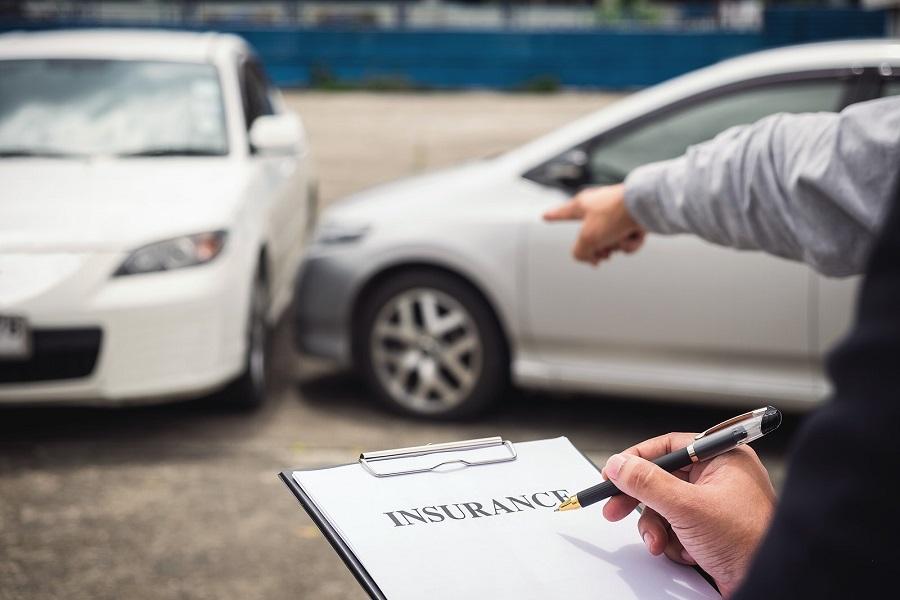
Driving in Dubai offers flexibility, but unnecessary trips, traffic delays, fuel consumption, Salik tolls, and parking fees can increase your monthly transport expenses. You can reduce these costs by planning routes, combining errands, maintaining your vehicle, choosing suitable parking, and matching your transport option to each journey. Whether you own a car, drive a rental, or commute daily, small changes can help you spend less without sacrificing convenience.
1. Plan Your Routes Before Driving
Route planning helps reduce fuel consumption, travel time, and avoidable toll charges. Dubai's traffic conditions can change significantly during peak hours, particularly around Sheikh Zayed Road, Al Khail Road, Business Bay, and major residential areas.
Before leaving, check your route and compare alternative roads. A shorter route does not always cost less if it involves heavy traffic, frequent stops, or toll gates.
Use these practical habits to avoid unnecessary driving expenses:
-
Check live traffic conditions before starting your journey.
-
Combine nearby errands into one trip instead of making several separate journeys.
-
Schedule appointments in the same area on the same day.
-
Avoid driving across Dubai during peak hours when a flexible departure time is possible.
-
Check parking availability before visiting busy commercial districts.
-
Use navigation apps to identify delays and suitable alternative routes.
For example, if you need to visit a supermarket, pharmacy, and bank in the same neighbourhood, complete all three errands in one outing. This reduces repeated journeys and saves time as well as fuel.
2. Reduce Fuel Consumption Through Better Driving Habits
Fuel is a recurring expense for Dubai motorists, especially those who commute long distances. Aggressive acceleration, sudden braking, excessive idling, and unnecessary detours can increase fuel consumption.
Smooth driving helps your vehicle use fuel more efficiently. Accelerate gradually, maintain a consistent speed where traffic conditions allow, and leave enough distance to avoid repeated braking.
|
Driving habit |
How it helps reduce costs |
|
Accelerate smoothly |
Reduces unnecessary fuel demand |
|
Maintain a steady speed |
Avoids repeated acceleration and braking |
|
Switch off the engine during prolonged stops when safe |
Reduces unnecessary idling |
|
Remove unnecessary heavy items |
Reduces the load your vehicle carries |
|
Check tyre pressure regularly |
Helps prevent excess rolling resistance |
|
Avoid unnecessary detours |
Reduces distance travelled and fuel used |
Dubai's hot weather also makes air-conditioning important. Use it sensibly, keep the cabin ventilation system maintained, and park in shaded areas where possible. Avoid switching off the air-conditioning if doing so would make the journey unsafe or uncomfortable in extreme heat.
For additional guidance, consult the UAE Ministry of Energy and Infrastructure for relevant energy-efficiency information.
3. Avoid Unnecessary Salik Toll Charges
Salik is Dubai's electronic road-toll system. Drivers pay toll charges when they pass through applicable toll gates, so frequently choosing toll routes can increase transport costs over time.
You do not need to avoid every toll road. A toll route may save enough time or fuel to justify its charge, especially when traffic is heavy. Instead, compare the total cost of each practical route.
Before travelling, consider:
-
Whether an alternative route avoids a toll gate without adding excessive distance.
-
Whether the time saved by using a toll road justifies the charge.
-
Whether you can combine multiple destinations into one journey.
-
Whether your regular commute uses the same toll gates repeatedly.
Check current toll rates, operating rules, and applicable exemptions through the official Salik website before calculating your travel budget.
A useful approach is to review your regular journeys at the end of each month. If you frequently pay tolls for short trips, changing your route or grouping errands may reduce your total expenses.
4. Choose Parking Carefully to Avoid Extra Charges
Parking fees can add up when you visit shopping malls, business districts, tourist attractions, or busy residential areas. Some locations offer free parking under specific conditions, while others charge according to the zone, duration, or parking facility.
Before parking, check the displayed signs and applicable payment rules. Do not assume that a space is free simply because other vehicles are parked there.
You can manage parking costs by following these steps:
-
Check whether your destination offers complimentary parking for customers.
-
Compare public parking with nearby parking buildings when you expect a long stay.
-
Pay for the correct zone and duration to avoid fines.
-
Set a reminder before your paid parking session expires.
-
Avoid leaving your vehicle in a paid space longer than necessary.
-
Check whether your residential building or workplace offers a parking arrangement that suits your routine.
Dubai's parking fees and rules vary by location. Use the RTA's official parking services to check parking zones, payment methods, and available services.
For regular commuters, comparing monthly parking arrangements with daily payments can also reveal potential savings. Calculate the total cost over a typical month before choosing either option.
5. Maintain Your Car to Prevent Expensive Repairs
Skipping routine maintenance might seem like a way to save money, but it can lead to higher repair bills and unnecessary fuel expenses. Dubai's heat, dust, and frequent use of air-conditioning make regular vehicle checks particularly important.
Focus on these maintenance tasks:
|
Maintenance task |
Why it matters |
|
Check tyre pressure |
Helps reduce excess rolling resistance and uneven tyre wear |
|
Replace engine oil on schedule |
Protects engine components from unnecessary wear |
|
Inspect the air filter |
Helps maintain proper engine airflow |
|
Check the cooling system |
Helps the engine manage operating temperatures |
|
Maintain the air-conditioning system |
Supports cooling performance during hot weather |
|
Inspect brakes and tyres |
Helps maintain safe and predictable driving |
|
Follow the manufacturer's service schedule |
Helps identify developing problems before they become more expensive |
Use the correct tyre pressure specified by the vehicle manufacturer, usually shown on a label inside the driver's door or in the owner's manual. Do not use the maximum pressure printed on the tyre sidewall as a substitute for the recommended vehicle pressure.
If you notice unusual engine noises, warning lights, overheating, or changes in braking performance, arrange an inspection rather than delaying the repair.
6. Decide When Driving Is Worth the Cost
Driving is not always the most economical option for every journey. For short trips in well-connected areas, the Dubai Metro, tram, or bus may cost less than taking a car and paying for fuel and parking.
However, public transport may be less practical when you need to carry heavy shopping, visit several destinations, travel with family, or reach an area without convenient connections.
Consider the full cost of each option before deciding.
|
Travel situation |
Option worth considering |
|
Daily commute near a Metro station |
Metro or bus |
|
Several errands in one neighbourhood |
One combined car journey |
|
A short trip with expensive parking |
Walking or public transport, where practical |
|
Family outings with several stops |
A suitable car, depending on the total cost |
|
Occasional driving without owning a vehicle |
A rental for the required period |
|
Frequent travel over several weeks |
Compare monthly transport costs and rental terms |
Dubai's Roads and Transport Authority provides official information about nol fares and public transport costs. Check the fare for your actual journey and compare it with your estimated driving expenses.
7. Calculate the Full Cost of Owning or Renting a Car
Fuel is only one part of the cost of driving. Vehicle ownership can also involve insurance, servicing, tyres, registration, parking, financing, and depreciation. Drivers should consider these expenses when deciding whether to use a personal vehicle every day.
Rental customers should check the daily or monthly rate alongside the rental agreement's other charges. These may include insurance conditions, mileage limits, tolls, parking fines, deposits, and additional-driver fees.
If you only need a vehicle occasionally, a daily car rental in Dubai may help you avoid the ongoing costs of owning a car. For longer periods, compare the total price of a monthly car rental with your expected transport expenses.
Great Dubai is one option to consider when comparing rental vehicles and durations. Before booking, review the vehicle category, insurance coverage, mileage allowance, deposit requirements, delivery charges, and cancellation terms. Choose a vehicle that meets your actual travel needs rather than paying extra for features or performance you will rarely use.
A smaller economy car may suit daily commuting, while an SUV may be more practical for passengers and luggage. The most economical choice depends on the rental price, fuel consumption, distance travelled, and applicable additional charges.
8. Avoid Fines and Other Preventable Charges
Traffic fines, parking violations, missed payments, and rental agreement breaches can turn an otherwise affordable journey into an expensive one.
Build a few simple checks into your driving routine:
-
Follow posted speed limits and road signs.
-
Maintain a safe following distance and avoid risky manoeuvres.
-
Pay parking fees correctly and check session expiry times.
-
Keep your vehicle registration and insurance valid.
-
Check whether your route includes toll gates.
-
Review rental terms before accepting the vehicle.
-
Report vehicle damage promptly and follow the agreed return procedure.
If you receive a fine or toll charge, verify the details through the relevant official service. Rental customers should also confirm how tolls, fines, and administrative fees are processed under their agreement.
9. Track Your Monthly Driving Expenses
You cannot easily identify unnecessary costs if you do not know where your money goes. A simple monthly record can show whether fuel, tolls, parking, or repeated short trips account for most of your spending.
Record the following expenses:
-
Fuel purchases
-
Salik charges
-
Paid parking
-
Maintenance and repairs
-
Rental fees, if applicable
-
Additional transport costs
Compare your spending each month and look for changes that make a meaningful difference. For example, if parking and tolls account for a large share of your costs, changing where you park or how you plan regular journeys may help more than focusing exclusively on fuel.
You can use a simple table to organise your budget.
|
Expense |
Common cause of unnecessary costs |
How to reduce it |
|
Fuel |
Repeated short trips and aggressive acceleration |
Combine errands and drive smoothly |
|
Salik |
Using toll roads when a practical alternative exists |
Compare toll charges with alternative route costs |
|
Parking |
Staying longer than necessary in paid parking areas |
Check parking fees and plan your visit |
|
Maintenance |
Delaying routine servicing |
Follow the manufacturer's maintenance schedule |
|
Vehicle rental |
Choosing a larger or more expensive vehicle than needed |
Compare economy, SUV, daily, and monthly rental options |
|
Traffic fines |
Speeding, incorrect parking, or ignoring road signs |
Follow traffic regulations and check parking rules |
|
Expense |
Common cause of unnecessary costs |
How to reduce it |
Update the figures using your actual receipts and payments. Do not rely on estimated savings alone when deciding whether to change your travel habits.
Frequently Asked Questions
What is the easiest way to reduce driving costs in Dubai?
Start by combining errands, checking traffic before leaving, maintaining correct tyre pressure, and avoiding unnecessary tolls and parking fees. These changes can reduce avoidable expenses without requiring major lifestyle changes.
Does avoiding Salik always save money?
No. Avoiding a toll may increase travel distance, fuel consumption, or time spent in traffic. Compare the total cost of alternative routes before deciding.
Is public transport cheaper than driving in Dubai?
Public transport can cost less for many regular journeys, especially when your destinations are near Metro or bus stations. Driving may offer better convenience for multiple stops, family trips, or destinations with limited public transport connections. Compare the actual fares and driving expenses for your journey.
Can renting a car reduce transport expenses?
It can, particularly if you need a vehicle for a limited period and would otherwise pay for ownership, maintenance, and insurance. However, rental costs vary by vehicle, duration, mileage, and contract terms. Compare the complete rental cost with your alternatives before booking.
How can I reduce fuel expenses in Dubai's hot weather?
Maintain your vehicle, check tyre pressure, accelerate smoothly, avoid unnecessary journeys, and combine errands. Keep the air-conditioning system in good condition and use it appropriately for safe and comfortable driving.
Final Thoughts
Reducing unnecessary driving costs in Dubai comes down to making better decisions before and during each journey. Plan routes carefully, combine errands, monitor Salik and parking expenses, maintain your vehicle, and choose the right transport option for your needs.
Review your expenses regularly and focus on the changes that address your biggest costs. A consistent approach can help you manage your transport budget while keeping everyday travel practical and comfortable.

 Arabic
 French
 Spanish
 Portuguese
 Deutsch
 Turkish
 Dutch
Dutch
 Italiano
 Russian
 Romaian
 Portuguese (Brazil)
 Greek
Greek
