


The Role of Expansion Gaps in Creating a Long-Lasting Deck Surface
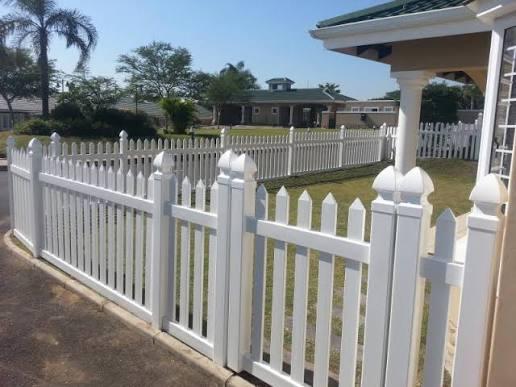
A beautiful deck can transform a backyard into a comfortable outdoor living space, but its long-term performance depends on more than the quality of the materials. Proper installation details, including expansion gaps, play an essential role in keeping the deck surface stable, attractive, and functional. These small spaces between decking boards and around fixed structures allow materials to respond to changes in temperature and moisture without creating unnecessary pressure on the installation.
For homeowners planning a new outdoor project, understanding expansion gaps can help prevent avoidable repairs and protect their investment. Working with a professional Deck builder in Atlanta, Georgia can help ensure that board spacing, fastening methods, drainage, and ventilation are considered from the beginning. TRG Decks provides a useful starting point for homeowners exploring deck construction and outdoor improvement options at https://www.trgdecks.com/.
What Are Expansion Gaps in Decking?
Expansion gaps are intentional spaces left between decking boards, at board ends, and around certain fixed objects. They accommodate the natural movement that occurs as decking materials respond to their environment.
Wood can absorb moisture and swell during humid or rainy conditions. When it dries, it may shrink. Composite decking can also expand and contract as temperatures change, even though its movement characteristics differ from those of natural timber.
Without adequate spacing, boards may push against neighboring boards or surrounding structures. This pressure can contribute to surface distortion, loose fasteners, uneven joints, and other installation problems.
Expansion gaps are therefore not signs of poor workmanship. When correctly planned and installed, they are an important part of a properly constructed deck. Their purpose is to give the materials enough room to move while maintaining a consistent, attractive surface.
Why Decking Materials Need Room to Move
Outdoor decking is exposed to changing weather throughout the year. In Atlanta, homeowners may experience warm summers, periods of high humidity, heavy rainfall, and cooler winter temperatures. These conditions can affect decking materials in different ways.
Wood responds to moisture by absorbing or releasing water. Depending on the type of timber, its moisture content, and the direction of the grain, its dimensions may change as conditions fluctuate. Pressure-treated lumber may also shrink as it dries after installation.
Composite decking typically contains a combination of wood fibers and polymers. Although it can offer advantages in maintenance and resistance to certain forms of deterioration, it is not completely immune to temperature-related movement.
Expansion gaps provide room for these changes to occur. Correct spacing helps prevent adjacent boards from pressing against each other and reduces the likelihood of movement-related damage.
Homeowners should remember that different products behave differently. The appropriate gap depends on the decking material, board dimensions, installation temperature, moisture conditions, and manufacturer specifications.
Preventing Buckling and Surface Distortion
One of the most important benefits of expansion gaps is reducing the risk of buckling and other surface irregularities. When boards do not have sufficient room to expand, pressure can build up across the deck surface.
As this pressure increases, boards may begin to lift, bow, or move out of alignment. In some cases, fasteners can become stressed, and joints may develop an uneven appearance.
These problems can affect more than the deck's visual appeal. Raised edges and uneven boards can create tripping hazards, while damaged connections may require professional inspection and repair.
Proper spacing helps accommodate normal material movement before it creates excessive pressure. It also supports a more consistent finish across the deck.
A qualified Deck builder in Atlanta, Georgia can determine the appropriate installation method for the selected decking product and help reduce the risk of spacing-related problems.
Improving Drainage and Air Circulation
Expansion gaps can also support effective drainage and ventilation. Spaces between boards allow rainwater and small amounts of debris to pass through the deck surface rather than remaining trapped in every joint.
This is particularly important for wood decking because prolonged moisture exposure can encourage deterioration, especially when combined with poor ventilation and inadequate maintenance.
Air circulation around and beneath the deck helps exposed materials dry after rainfall. A properly designed deck should therefore include suitable spacing, ground clearance, and drainage provisions that work together.
However, gaps alone cannot solve every moisture problem. If the ground beneath the deck remains saturated or water collects near the foundation, additional drainage improvements may be necessary.
Regularly remove leaves, dirt, and other debris from the spaces between boards. Blocked gaps may prevent water from draining efficiently and can limit airflow where it is needed.
When designing a deck, consider both the surface and the underlying structure. Good drainage and ventilation help create conditions that support long-term performance.
Understanding Different Types of Decking Gaps
Not every gap serves the same purpose. A well-planned installation considers several types of spacing.
Side-to-Side Gaps
These are the spaces between the long edges of neighboring boards. They help accommodate material movement and allow water and debris to pass through the surface.
The correct spacing depends on whether the boards are natural wood, composite, or another decking material. Some hidden-fastener systems automatically establish the required side gap.
End-to-End Gaps
These spaces occur where the ends of two boards meet. They are particularly important for materials that experience noticeable lengthwise expansion and contraction.
Board length and installation temperature can affect the required allowance. Long boards may experience more overall movement than shorter boards, so end joints need careful planning.
Perimeter Gaps
Perimeter gaps provide clearance where decking meets walls, posts, fascia, or other fixed structures. If boards are installed tightly against these objects, normal movement may cause pressure to build up.
The necessary clearance should follow the decking manufacturer's instructions and account for the specific installation conditions.
Structural Clearances
The framing and other structural components may also require appropriate clearances, connection details, and ventilation provisions. These requirements differ from surface-board spacing and should be addressed during construction planning.
Each type of gap contributes to the overall performance of the deck. Correctly coordinating them helps maintain a stable, durable installation.

 English
 Arabic
 French
 Spanish
 Portuguese
 Deutsch
 Turkish
 Italiano
 Russian
 Romaian
 Portuguese (Brazil)
 Greek
Greek
