


What to Expect from a Professional Outdoor Living Design and Build Project
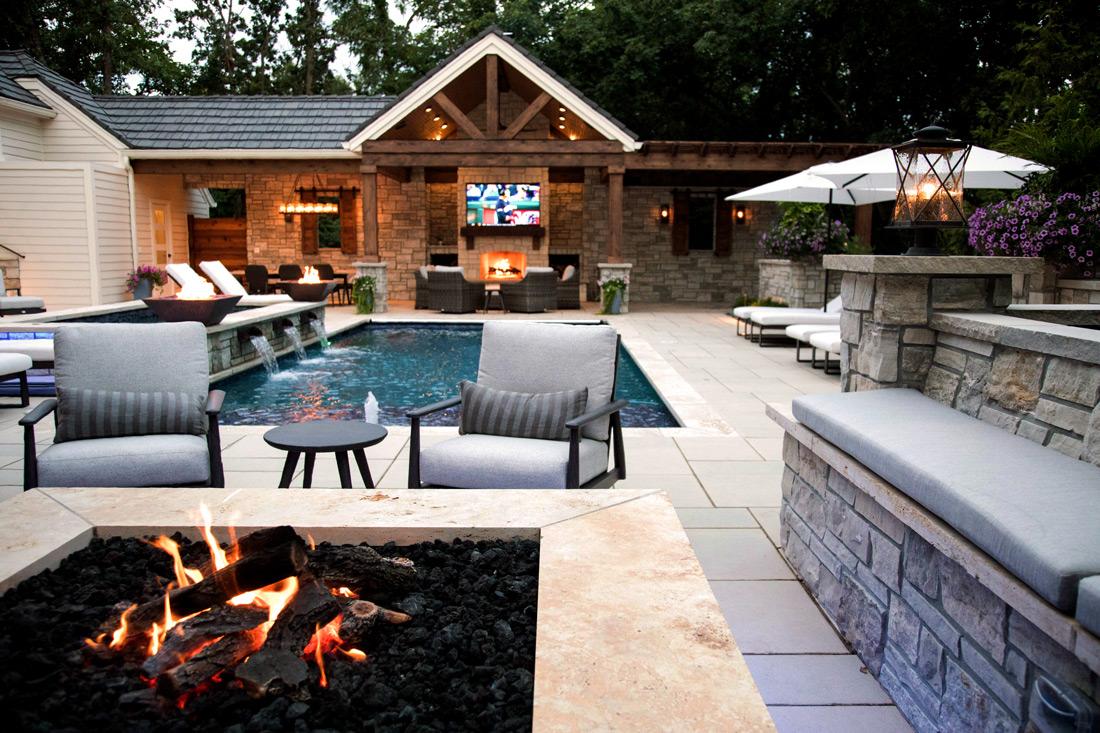
Homeowners in Dallas and surrounding North Texas communities often face unique outdoor living challenges, including intense summer heat, changing weather conditions, and periods of heavy rainfall. These factors make material selection, shade planning, drainage, and long-term durability especially important. A professional contractor considers these regional conditions before recommending structures, landscaping features, and surface materials. This planning helps homeowners make informed decisions and avoid costly adjustments after construction begins.
Transforming an ordinary backyard into a comfortable and functional outdoor retreat requires careful planning, thoughtful design, and skilled construction. A professional outdoor living design and build project brings these elements together to create a space that reflects the homeowner's lifestyle, complements the property's architecture, and supports everyday activities. Whether the goal is to build a covered patio, install an outdoor kitchen, improve landscaping, or create a relaxing entertainment area, a structured approach helps ensure that every feature serves a clear purpose.
A well-managed project generally includes an initial consultation, property assessment, design development, budgeting, material selection, construction, and a final walkthrough. Each stage contributes to the overall quality of the finished space. Understanding what happens at every step allows homeowners to prepare more effectively, communicate their expectations clearly, and recognize the importance of professional workmanship. The result should be an outdoor environment that looks attractive while remaining practical, comfortable, and manageable over time.
Initial Consultation and Backyard Assessment
The first stage of a professional project usually involves discussing the homeowner's goals, preferences, and budget. A contractor may ask how the backyard is currently used, which features are most important, and whether the household needs space for entertaining, family activities, outdoor dining, or quiet relaxation. These conversations help establish priorities before design work begins. Instead of choosing features simply because they look appealing, homeowners can focus on improvements that offer meaningful benefits for their daily routines.
A property assessment helps determine which improvements are suitable for the available space. Contractors may examine the yard's dimensions, ground conditions, existing landscaping, drainage patterns, sunlight exposure, and access to utilities. Existing patios, fences, trees, and structures can also influence the design. Identifying these conditions early allows the project team to recognize potential obstacles and develop solutions before they affect construction schedules or budgets.
During this stage, homeowners should discuss their preferred style, maintenance expectations, and plans for future improvements. For example, someone who frequently hosts outdoor gatherings may prioritize a covered seating area and an outdoor kitchen, while a family with children may prefer a durable lawn and open play space. A detailed understanding of these requirements helps the contractor create a design that balances appearance, functionality, and available resources. It also establishes a foundation for realistic expectations throughout the project.
Design Development and Project Planning
After the initial assessment, the contractor develops a design that brings the homeowner's ideas together into a coordinated plan. This may include the placement of patios, walkways, outdoor kitchens, seating areas, landscape beds, artificial turf, and shade structures. Each feature should fit naturally within the property rather than competing for space. Good design also considers movement between indoor and outdoor areas, ensuring that the backyard remains easy to navigate during everyday use and larger gatherings.
A professional outdoor living design and build approach coordinates planning and construction rather than treating them as unrelated activities. This can help identify practical concerns before installation begins, including access requirements, material compatibility, structural considerations, and utility connections. Depending on the project's complexity, the design stage may include drawings, material samples, layout plans, and estimated construction costs. These details give homeowners a clearer understanding of the finished result and provide a useful reference during implementation.
Budget planning is another essential part of design development. The contractor should explain the expected costs associated with labor, materials, site preparation, drainage, lighting, and any specialized installations. Homeowners should also discuss allowances, potential additional expenses, and the process for approving changes. Establishing a clear budget helps prioritize essential features while identifying optional upgrades that could be completed later. A detailed plan reduces uncertainty and supports better decision-making before construction starts.
Selecting Materials and Outdoor Features
Material selection has a major influence on the appearance, durability, and maintenance requirements of an outdoor living space. Patios may be constructed using concrete, pavers, natural stone, or other suitable materials, depending on the design and property conditions. Each option offers different benefits in terms of cost, texture, installation requirements, and upkeep. A knowledgeable contractor can explain these differences and help homeowners select materials that complement the home while standing up to local weather conditions.
Covered patios and pergolas are popular features for properties in North Texas because they create more comfortable places to relax outdoors. A solid patio cover can provide dependable shade and protection from rain, while a pergola can offer a more open architectural appearance. The appropriate structure depends on the homeowner's preferences, intended use, and budget. Structural design, drainage, wind exposure, and applicable building requirements should be considered before installation to support safe and reliable performance.
Outdoor kitchens, built-in seating, fire features, and landscape lighting can further improve functionality. However, every additional feature introduces specific planning requirements. Cooking areas may need electrical, plumbing, or gas connections, while lighting systems require suitable outdoor-rated components. Fire features must be installed with appropriate clearances and safety measures. A professional contractor coordinates these details with the overall design, helping create an attractive space without overlooking important practical considerations.
Artificial Turf and Landscaping Installation
Landscaping helps connect the various parts of a backyard and creates a more welcoming environment. Carefully selected trees, shrubs, ornamental grasses, and planting beds can provide privacy, add color, and soften hard surfaces. In Dallas, plant selection should account for heat, sunlight, soil conditions, and seasonal water requirements. Choosing plants suited to the local environment can help reduce unnecessary maintenance while supporting a healthier, more resilient landscape.
Artificial turf is another option for homeowners who want a consistently green lawn without the regular mowing required by natural grass. Professional artificial turf installers in dallas tx can evaluate the proposed installation area, recommend suitable turf products, and explain the preparation needed for a durable finish. The right product depends on how the space will be used, whether for recreation, pets, decorative landscaping, or a combination of activities. Homeowners should compare pile height, density, drainage characteristics, durability, and maintenance requirements before making a decision.
Proper ground preparation is essential for successful artificial turf installation. The existing surface may require excavation, removal of vegetation, grading, and installation of an appropriate compacted base. Drainage should be addressed before the turf is secured, particularly in areas where rainwater could collect. Poor preparation can contribute to uneven surfaces, movement, or drainage problems over time. Homeowners should ask contractors to explain their installation methods and how they intend to manage water flow across the property.
Artificial turf still requires occasional maintenance despite eliminating routine mowing. Removing leaves and debris, cleaning affected areas, and brushing the fibers when necessary can help preserve its appearance. Pet owners may need additional cleaning procedures, depending on the product and how frequently the lawn is used. When turf is integrated with patios, planting beds, and walkways, the entire design should provide suitable transitions and avoid creating drainage issues between different surfaces.
Construction, Scheduling, and Communication
Once the design and materials have been approved, the construction phase can begin. Depending on the scope of work, this stage may involve clearing the site, preparing the ground, installing drainage systems, constructing patio foundations, building covers, connecting utilities, and completing landscaping. The order of these activities matters because certain installations must be completed before others can proceed. A coordinated construction plan helps reduce unnecessary rework and keeps the project moving efficiently.
Project timelines vary according to the size and complexity of the backyard renovation. A relatively simple patio improvement may require less time than a project involving structural covers, extensive masonry, outdoor kitchens, lighting, and artificial turf. Weather, material availability, inspections, and unexpected site conditions can also affect progress. A responsible contractor should provide a reasonable schedule, explain important milestones, and communicate promptly when circumstances require adjustments.
Homeowners should expect regular communication throughout construction. Questions about material substitutions, design changes, or unexpected expenses should be discussed before additional work is approved. Maintaining a written record of agreed changes helps avoid misunderstandings and makes it easier to track the project's scope. Keeping access routes clear and following any site safety instructions also helps protect household members, visitors, workers, and existing property features while construction is underway.
Quality Checks, Final Walkthrough, and Long-Term Maintenance
As construction approaches completion, the contractor should inspect the installed features to confirm that they match the agreed plans and specifications. This review may include checking surface finishes, structural components, drainage performance, lighting, utility connections, and landscaping details. Homeowners should also look for uneven paving, loose components, incomplete finishing work, or other visible concerns. Any issues should be documented and discussed with the contractor so that appropriate corrections can be arranged.
The final walkthrough gives homeowners an opportunity to understand how to use and maintain their new outdoor living space. Contractors should explain relevant operating instructions, cleaning recommendations, warranty terms, and any maintenance tasks associated with installed materials or equipment. Homeowners should retain project documents, product information, permits where applicable, and warranty details. These records can be useful if repairs, adjustments, or future improvements become necessary.
Long-term care helps preserve the appearance and functionality of the finished backyard. Depending on the materials used, maintenance may include cleaning pavers, inspecting drainage areas, maintaining outdoor appliances, checking lighting fixtures, caring for plants, and removing debris from artificial turf. Patio covers and other structures should also be inspected periodically for signs of damage or deterioration. Following manufacturer recommendations and addressing small issues promptly can help prevent more expensive repairs later.
Choosing the Right Outdoor Living Contractor
Selecting a qualified contractor is essential for achieving a successful result. Homeowners should review relevant project experience, examine examples of completed work, check available references, and confirm that the contractor has appropriate licensing or credentials where required. Insurance coverage, written agreements, clear payment terms, and transparent estimates are also important considerations. A professional should be willing to explain construction methods and discuss potential challenges rather than making unrealistic promises about cost or completion dates.
It is helpful to compare proposals based on the work included, not simply the total price. One contractor may include more extensive site preparation, higher-quality materials, or additional finishing work than another. Asking for an itemized estimate makes these differences easier to understand. Homeowners should also clarify who will handle permits, inspections, subcontractors, utility connections, and warranty-related questions before signing an agreement.
A successful outdoor living design and build project depends on thoughtful planning, suitable materials, skilled installation, and consistent communication. By understanding the process from the initial consultation through the final inspection, homeowners can make confident decisions and prepare for each stage of construction. Whether the project involves a covered patio, an outdoor kitchen, upgraded landscaping, or artificial turf, a coordinated approach can turn an underused backyard into a functional extension of the home. With professional guidance and appropriate maintenance, the finished space can provide comfort, convenience, and enjoyment for many years.
 Turkish
 English
 Arabic
 French
 Spanish
 Portuguese
 Deutsch
 Dutch
Dutch
 Italiano
 Russian
 Romaian
 Portuguese (Brazil)
 Greek
Greek
