


How Can Fast Roof Leak Detection and Repair Prevent Minor Issues From Becoming Major Roofing Problems?
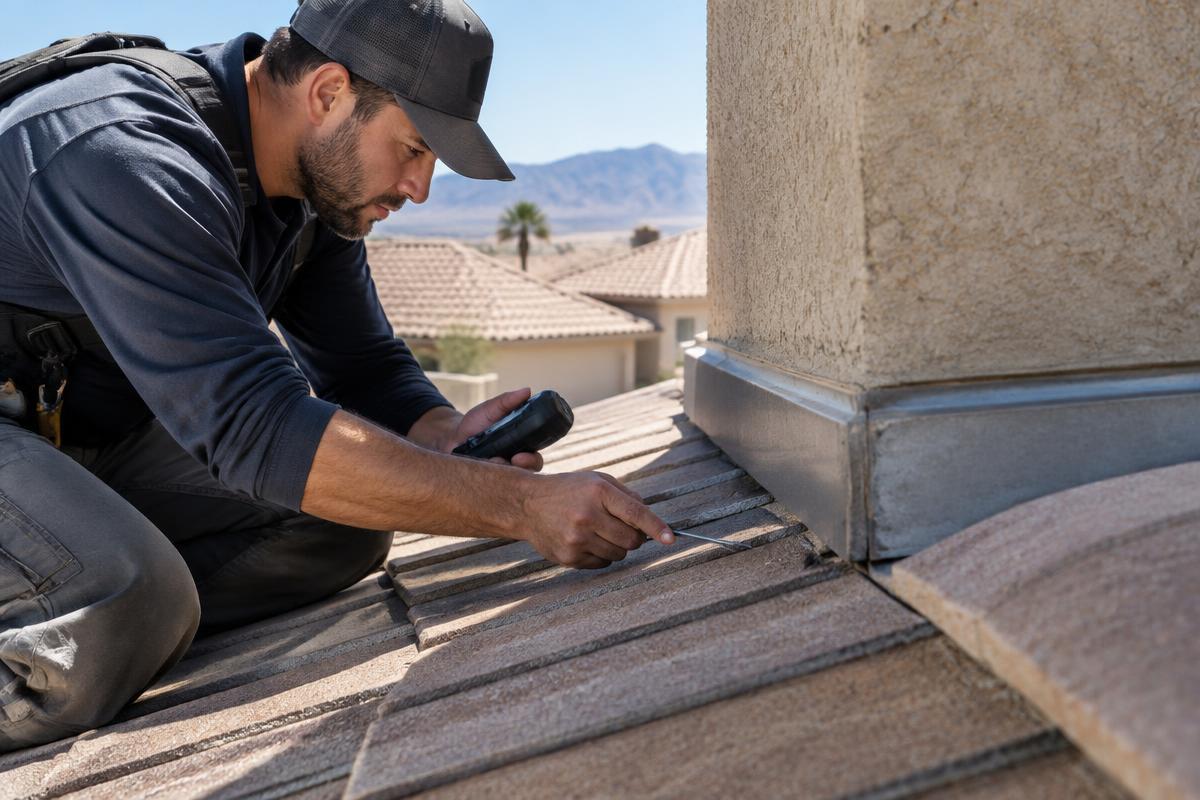
A roof leak rarely begins as a dramatic problem. It may start with a faint water stain on the ceiling, a small damp patch in the attic, or a drip that appears only after heavy rain. Although these signs can seem minor, water can travel beneath roofing materials and damage areas far from the original entry point. Identifying the source early is essential to protecting the structure of a home and preventing avoidable repairs.
For homeowners in North Las Vegas, Nevada, prompt roof leak detection and repair can be particularly important when roofs experience intense sunlight, temperature fluctuations, seasonal rainfall, and occasional strong winds. These conditions can gradually affect roofing materials, seals, flashing, and other vulnerable components. Understanding how leaks develop, how professionals investigate them, and when repairs are necessary helps homeowners make informed decisions about roof maintenance.
Why Do Roof Leaks Develop Even When a Roof Looks Intact?
A roof can appear sound from the ground while concealed weaknesses allow water to enter. Roofing systems contain multiple components that must work together to direct water away from the building. When one component deteriorates or becomes displaced, moisture may find a path into the underlying structure.
Several issues commonly contribute to roof leaks.
Deteriorating Roofing Materials
Shingles, underlayment, and other roofing materials gradually experience wear. Prolonged exposure to ultraviolet radiation can weaken certain materials, while repeated temperature changes may contribute to cracking, shrinking, or loss of flexibility.
Once protective layers become compromised, water may reach the roof deck or enter the attic. Damage can develop gradually, making regular inspections useful even when there are no obvious signs of a problem inside the home.
Damaged Flashing and Roof Penetrations
Flashing protects vulnerable transitions around chimneys, vents, skylights, and other roof openings. These areas require careful sealing because water can collect or move along joints and edges.
If flashing separates, corrodes, or becomes damaged, moisture can pass through gaps that are difficult to notice from below. Deteriorated sealant around pipes and vents can create similar problems.
Blocked Drainage and Standing Water
Roof drainage systems help direct water away from the building. When gutters, roof drains, or drainage channels become obstructed, water may accumulate in places where it should flow away.
Flat and low-slope roofs can be particularly vulnerable to drainage problems when water remains on the surface longer than the roofing system is designed to accommodate. Persistent ponding deserves attention because it may indicate a drainage issue or an underlying roof defect.
What Makes Roof Leak Detection More Complicated Than Finding a Water Stain?
One of the most challenging aspects of roof leak repair is identifying the actual entry point. The location where water appears indoors does not necessarily correspond to the damaged section of the roof.
Water can move along rafters, roof decking, insulation, and other structural surfaces before becoming visible. A ceiling stain near an exterior wall, for example, could originate from a roof penetration several feet away.
This is why effective detection involves investigating the roof system rather than simply patching the most visible symptom.
Following the Evidence of Moisture
An inspection typically begins with an assessment of the reported problem. A roofing professional may ask when the leak occurs, whether it follows particular weather conditions, and whether the affected area has changed over time.
Interior evidence can provide useful clues. Discolored drywall, peeling paint, damp insulation, musty odors, and localized moisture may help establish the likely path of water intrusion.
Attic inspections can reveal additional information, including water trails on wooden components, wet insulation, damaged underlayment, or moisture around roof penetrations. However, not every leak leaves an obvious trail, particularly when materials have already dried.
Inspecting Vulnerable Roof Areas
The exterior inspection focuses on areas where water entry is more likely. Depending on the roofing system, these may include flashing, valleys, penetrations, seams, transitions, drainage outlets, and damaged surface materials.
A careful inspection also considers the overall condition of the roof. An isolated opening may explain the immediate leak, while surrounding deterioration could indicate a broader maintenance concern.
The objective is to identify the most plausible source of water intrusion and determine the appropriate repair without overlooking related damage.
How Should Homeowners Respond When a Leak Appears?
The first response to a roof leak should prioritize personal safety and limiting interior damage. Homeowners do not need to climb onto the roof to investigate a problem, especially during wet, windy, or excessively hot conditions.
If water enters the home, move furniture, electronics, and other belongings away from the affected area when it is safe to do so. Place a suitable container beneath a drip and protect nearby possessions from splashing or runoff.
Photographs of visible staining, dripping, and damaged belongings can also help document the situation. Note when the leak appeared and whether it coincided with rainfall, wind, or another event.
Electrical hazards require particular caution. If water is near electrical fixtures, outlets, or wiring, avoid touching the affected area and seek appropriate professional assistance. Never enter a ceiling cavity that appears unstable or attempt to handle electrical equipment in wet conditions.
Homeowners should also avoid applying random sealants to roof surfaces without understanding the cause. An unsuitable patch can interfere with proper drainage, damage certain roofing materials, or conceal a problem that continues to worsen beneath the surface.
What Should a Professional Roof Leak Repair Process Include?
An effective repair process addresses both the entry point and the condition of the surrounding roofing system. The exact approach depends on the roof design, material, accessibility, and extent of deterioration.
For property owners researching targeted roof leak detection and repair in North Las Vegas, understanding the steps involved can make it easier to evaluate proposed work and ask informed questions.
Identifying the Cause Before Choosing a Repair
A professional should explain the suspected source of the leak and how the inspection findings support that conclusion. If several possible entry points exist, additional investigation may be necessary before the cause can be confirmed.
The proposed solution should match the defect. A damaged flashing joint may require different work from a torn membrane, deteriorated shingles, or a compromised roof penetration.
A repair that addresses only the visible interior damage will not stop water from entering through the roof. Similarly, covering an opening without correcting a drainage problem may leave the underlying issue unresolved.
Repairing Damaged Components
Depending on the findings, repairs may involve replacing damaged roofing materials, restoring flashing, sealing appropriate joints, correcting drainage defects, or addressing compromised sections of underlayment.
The repair must be compatible with the existing roofing system. Materials should be selected and installed according to the manufacturer's requirements and the specific conditions of the roof.
If moisture has affected the roof deck, insulation, or interior finishes, those areas may require separate evaluation. The scope of necessary work should be explained rather than assuming that every leak requires either a minor patch or complete roof replacement.
Checking the Completed Work
After the repair, the affected area should be evaluated to determine whether the original defect has been corrected. Depending on the roof design and conditions, verification may involve a visual inspection or an appropriate controlled testing method.
Water testing should be performed carefully by qualified professionals when suitable. Improper testing can introduce additional moisture or create misleading results.
Homeowners should ask what was repaired, whether any related damage was discovered, and whether follow-up monitoring is recommended. Clear documentation can be valuable if similar symptoms appear later.
Which North Las Vegas Conditions Can Increase the Risk of Roof Leaks?
The local environment can influence how roofing materials age and how certain defects develop. North Las Vegas experiences a hot desert climate, with strong sun exposure and substantial seasonal temperature variation.
Intense Sunlight and Material Aging
Extended ultraviolet exposure can gradually degrade some roofing materials, protective coatings, and exposed sealants. Materials that become brittle or lose flexibility may be more susceptible to cracking and separation.
Roof areas with limited shade can experience substantial heat exposure. Periodic inspections can help identify deterioration before it develops into a pathway for water.
Temperature Changes and Expanding Materials
Roofing components expand and contract as temperatures change. Over time, repeated movement may place stress on certain joints, fasteners, flashing details, and sealants.
The degree of risk depends on the material, installation quality, roof design, and condition of the components. Temperature changes do not automatically cause leaks, but existing weaknesses can become more significant as materials age.
Wind and Sudden Rainfall
Strong winds can loosen roofing components or expose vulnerable edges. When rainfall follows, water may enter through openings that were previously difficult to detect.
Even in a dry climate, occasional storms can reveal problems that developed during long periods without substantial rain. Homeowners should pay attention to new ceiling stains, displaced roofing materials, or debris following severe weather.
When Is a Repair Enough, and When Is a Larger Roofing Solution Necessary?
Not every leak indicates that a roof needs replacement. A localized defect on an otherwise sound roof may be resolved with a targeted repair. However, repeated leaks, widespread material deterioration, extensive moisture damage, or multiple failing sections may justify a more comprehensive assessment.
The age of the roof is only one consideration. Its maintenance history, material type, previous repairs, and overall condition also affect the decision.
Homeowners should request an explanation of the available options and the evidence supporting each recommendation. If a contractor recommends extensive work, it is reasonable to ask which components have failed, whether localized repairs remain practical, and what risks would remain after a smaller repair.
The goal is not to choose the smallest repair automatically or assume that the largest proposal is necessary. It is to identify a solution that addresses the actual damage and provides appropriate protection for the property.
How Can Regular Roof Maintenance Help Prevent Future Leaks?
Preventive maintenance helps uncover developing problems before they cause significant interior damage. Although inspections cannot eliminate every risk, they can identify conditions that warrant attention.
A practical maintenance routine may include the following measures:
-
Arrange periodic roof inspections, particularly after significant weather events or when the roof shows signs of aging.
-
Keep appropriate drainage pathways clear of accumulated debris.
-
Check ceilings and attic spaces for unexplained stains, dampness, or unusual odors.
-
Monitor visible flashing, roof penetrations, and exposed roofing materials for signs of deterioration.
-
Address minor defects promptly instead of waiting for water to enter the living space.
-
Maintain records of inspections, repairs, and recurring moisture problems.
Roof access should be left to qualified professionals whenever climbing would create a safety risk. Homeowners can often identify warning signs from inside the building or from a safe position on the ground without attempting a dangerous inspection.
What Should You Consider Before Hiring a Roof Leak Repair Professional?
Choosing a contractor involves more than comparing the proposed repair price. Homeowners should look for clear communication, an understandable inspection process, and a repair recommendation that reflects the roof's actual condition.
Ask whether the contractor has experience with the property's roofing material and the particular type of leak involved. Request a written description of the proposed work, the materials to be used, the expected scope, and any applicable workmanship or material warranties.
It is also useful to clarify whether the estimate includes inspection of related moisture damage and whether additional work would require separate approval. Homeowners should verify any required local credentials and applicable insurance coverage rather than relying on unsupported advertising claims.
A thorough explanation should help the homeowner understand the problem without unnecessary technical jargon or pressure to authorize immediate, extensive work.
Why Is Prompt Attention to Roof Leaks Worthwhile?
A small roof defect can lead to a much larger problem when moisture repeatedly enters concealed spaces. Over time, water intrusion may damage insulation, stain ceilings, weaken susceptible building materials, and contribute to conditions that support mold growth.
Prompt detection helps narrow the investigation, establish the extent of the damage, and identify an appropriate repair strategy. For homeowners in North Las Vegas, combining timely professional inspections with routine maintenance provides a practical way to protect the roof and the interior of the property.
The most effective approach is to investigate warning signs early, correct the underlying cause, and monitor the repaired area when appropriate. By focusing on accurate diagnosis rather than temporary concealment, homeowners can make more informed decisions and help preserve the performance of their roofing system over time.
More details are available at: Local Business Directory
 Turkish
 English
 Arabic
 French
 Spanish
 Portuguese
 Deutsch
 Dutch
Dutch
 Italiano
 Russian
 Romaian
 Portuguese (Brazil)
 Greek
Greek
