


A Beginner's Guide to Excavation Services in DFW, TX
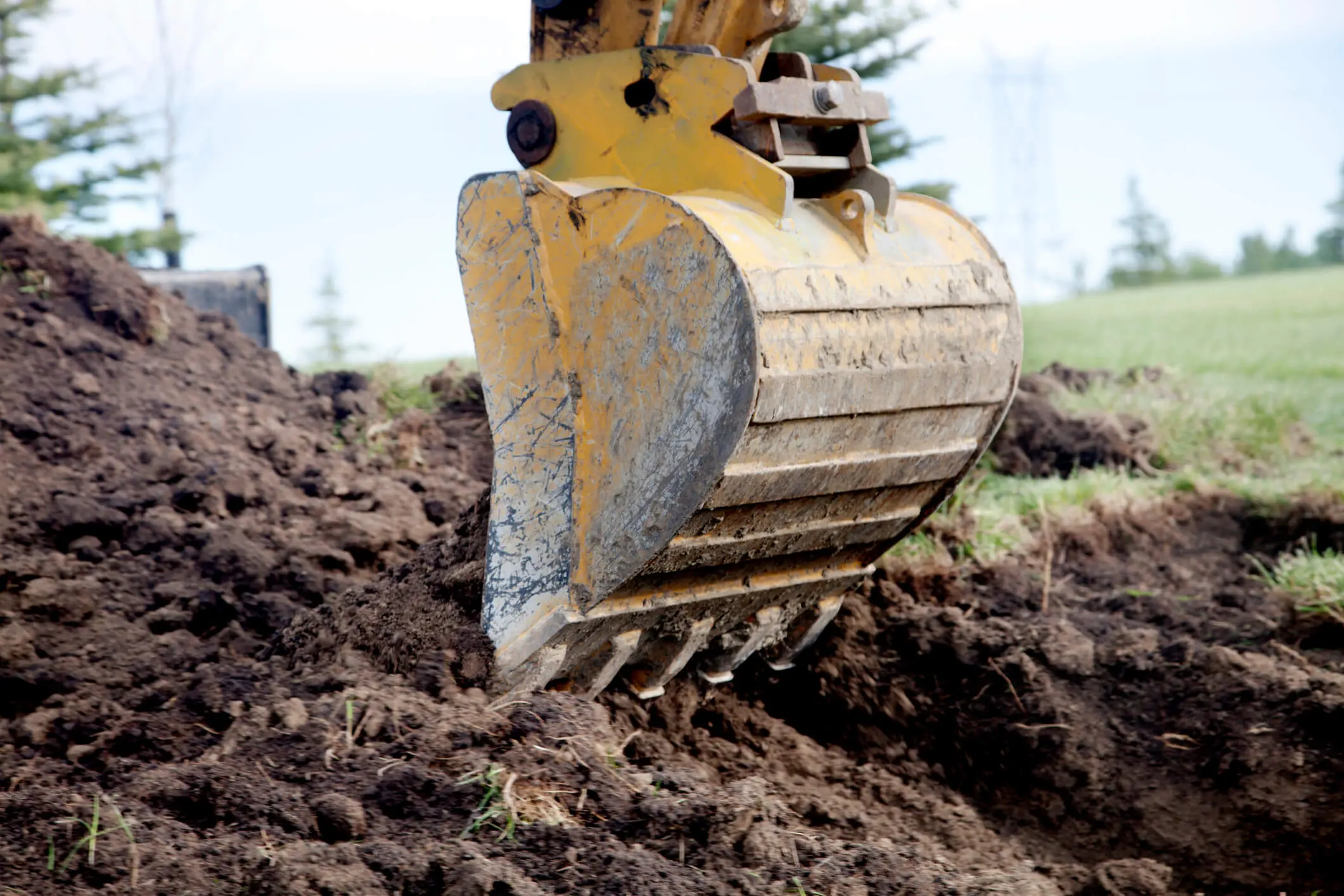
Excavation is one of the first major steps in many construction and property improvement projects. Whether a property needs a foundation dug, drainage installed, utilities trenched, or land prepared for new construction, careful earthwork creates the conditions for everything that follows. Professional excavation services DFW TX providers use specialized equipment, site assessments, measurements, and safety procedures to complete this work efficiently. For beginners, understanding the basic process makes it easier to plan a project, compare contractors, and avoid common surprises.
What Are Excavation Services?
Excavation involves removing, moving, or shaping soil and other materials to prepare a property for a specific purpose. Common projects include foundation excavation, trenching, grading, drainage work, building-pad preparation, driveway preparation, and general site development. The amount of excavation required depends on the property's size, terrain, soil conditions, project plans, and intended use. Professional contractors determine the appropriate approach rather than treating every property as if it has the same requirements.
Excavation is also different from simply digging with basic equipment. Contractors must consider measurements, elevations, underground utilities, soil stability, equipment access, drainage, and the final condition of the site. Even a relatively small mistake in grade or depth can create complications for later construction. Professional excavation focuses on achieving the required dimensions and elevations while maintaining a safe and organized work area.
The Initial Site Assessment
A successful excavation project begins with understanding the property before any soil is moved. Contractors typically evaluate access, existing structures, vegetation, slopes, drainage patterns, visible site conditions, and the intended scope of work. They may also review construction drawings, grading plans, foundation plans, or other project information when applicable. This initial assessment helps identify challenges that could influence equipment, labor, materials, and scheduling.
Access is especially important on residential lots and developed properties. Excavators, loaders, dump trucks, and other heavy equipment need sufficient room to enter and operate without unnecessarily damaging nearby improvements. Fences, narrow gates, overhead obstacles, driveways, landscaping, and neighboring structures can all affect how the work is performed. Planning equipment movement before excavation begins can make the project safer and more efficient.
Understanding Utility and Safety Requirements
One of the most important steps before digging is identifying underground utilities. Buried electrical lines, gas pipes, water services, telecommunications, and sewer systems can create serious hazards when their locations are unknown. Texas safety guidance emphasizes planning excavation work carefully and identifying potential hazards before digging. Property owners and contractors should make sure utility-locating requirements are properly addressed before equipment enters the excavation area.
Excavation safety also involves protecting workers from unstable soil, falling materials, equipment movement, water accumulation, and other hazards. Deep excavations may require appropriate protective systems depending on site conditions and applicable safety requirements. Contractors should evaluate changing conditions throughout the job rather than assuming that soil will remain stable. Good planning is essential because excavation hazards can develop quickly when conditions change.
Common Types of Excavation Projects
Foundation excavation is one of the most common applications for residential and commercial construction. The contractor removes soil to create the space and elevation required for a foundation system according to the project's plans. Other common services include trenching for utilities, drainage excavation, pool excavation, driveway preparation, and grading. Larger developments may involve extensive cut-and-fill work to establish the required site elevations.
Each type of excavation requires a different approach. Utility trenches may require narrow and controlled digging, while a building pad can involve moving large quantities of soil across the property. Drainage projects require careful attention to slope and water flow, while foundation work requires accurate dimensions and elevations. Experienced excavation services DFW TX contractors select equipment and techniques according to the actual purpose of the excavation.
How Soil Conditions Affect Excavation
Soil is not the same everywhere, and local ground conditions can influence both the difficulty and cost of excavation. Hard, compacted, rocky, wet, or unstable material may require different equipment and additional preparation compared with easier-to-dig soil. Contractors need to recognize these conditions because they affect production rates, hauling requirements, grading, and the overall project schedule. A proper site assessment helps identify potential ground-related challenges before major work begins.
Excess soil also needs to be considered during project planning. Depending on the design, some excavated material may be suitable for reuse elsewhere on the property, while unsuitable or excess material may need to be hauled away. The volume and type of material can affect transportation and disposal costs. Discussing soil management in advance helps property owners understand what will happen to material removed from the excavation area.
The Role of Grading and Drainage
Excavation and grading often work together to establish the final shape and elevation of a property. Grading can help direct water away from buildings, create appropriate slopes, prepare areas for concrete, and establish elevations for future construction. Poor grading can contribute to standing water, erosion, drainage problems, and other issues after a project is completed. For this reason, the final grade should be based on the project's requirements rather than appearance alone.
Drainage planning is particularly important when construction changes the way water moves across a property. New buildings, driveways, patios, retaining features, and other improvements can alter existing drainage patterns. Excavation contractors may create or prepare swales, channels, trenches, or other drainage features as part of the site work. Coordinating excavation and drainage planning early can help prevent costly corrections later.
How Demolition Can Connect With Excavation
Some projects require an existing structure to be removed before excavation can begin. In these situations, dfw demolition services may work alongside excavation crews to clear the property and prepare it for redevelopment. Demolition can remove houses, garages, slabs, concrete features, or other structures, while excavation addresses the soil and ground conditions underneath or around them. Coordinating the two services can create a more efficient transition between removal and construction.
The sequence of work should be determined according to the property's condition and future plans. After demolition, the site may contain foundations, concrete fragments, buried materials, or disturbed soil that needs additional attention. Excavation can then remove unsuitable material, establish new elevations, prepare foundations, or address drainage requirements. Discussing the complete project with the contractor helps ensure that demolition and excavation do not become disconnected stages.
Choosing the Right Excavation Equipment
Equipment selection has a major influence on how efficiently excavation work is completed. Depending on the project, contractors may use excavators, skid steers, loaders, bulldozers, compactors, dump trucks, and specialized attachments. The right combination depends on the site's size, access, material, excavation depth, and amount of soil that must be moved. Using equipment that is too large or too small can create unnecessary complications.
Experienced contractors consider both productivity and site protection when choosing machinery. A large open development site may accommodate substantial equipment, while a residential property may require smaller machines because of limited access. Operators also need to consider nearby structures, pavement, landscaping, utility infrastructure, and other features that should remain undisturbed. Proper equipment selection helps balance efficiency with control.
What Does the Excavation Process Look Like?
After the planning stage, the contractor prepares the site and establishes the areas where excavation will occur. Utilities and potential hazards are addressed, equipment is brought onto the property, and the excavation proceeds according to the project requirements. Soil is removed or relocated while operators monitor depth, grade, access, and surrounding conditions. Depending on the project, material may be stockpiled, reused, or hauled away.
Once the primary excavation is finished, the contractor may complete grading, backfilling, compaction, drainage preparation, or other site work. The final condition depends on what will happen next, such as foundation construction, concrete installation, utility work, landscaping, or another development phase. A final review helps confirm that the site meets the agreed scope. Clear communication between the excavation contractor and the next construction team can make this transition smoother.
How to Choose Professional Excavation Services in DFW
When comparing excavation contractors, beginners should look beyond the lowest estimate. Consider experience, equipment, insurance, safety practices, communication, project planning, and knowledge of local site conditions. Ask what is included in the estimate and whether hauling, grading, compaction, cleanup, or other related work is part of the quoted scope. A detailed proposal makes it easier to compare contractors fairly and understand potential additional costs.
It is also useful to choose a contractor who understands the complete development process. If a project includes land clearing, demolition, grading, drainage, or site preparation, coordinated services can reduce unnecessary delays between stages. Reliable excavation services DFW TX providers should be able to explain the planned sequence and identify factors that could affect the project. With careful preparation and professional execution, excavation provides the stable groundwork needed for successful construction and property development.

 English
 Arabic
 French
 Spanish
 Portuguese
 Deutsch
 Turkish
 Dutch
Dutch
 Italiano
 Russian
 Portuguese (Brazil)
 Greek
Greek
