


Digital Literacy in Rural Areas: Transforming the Future of Rural Children
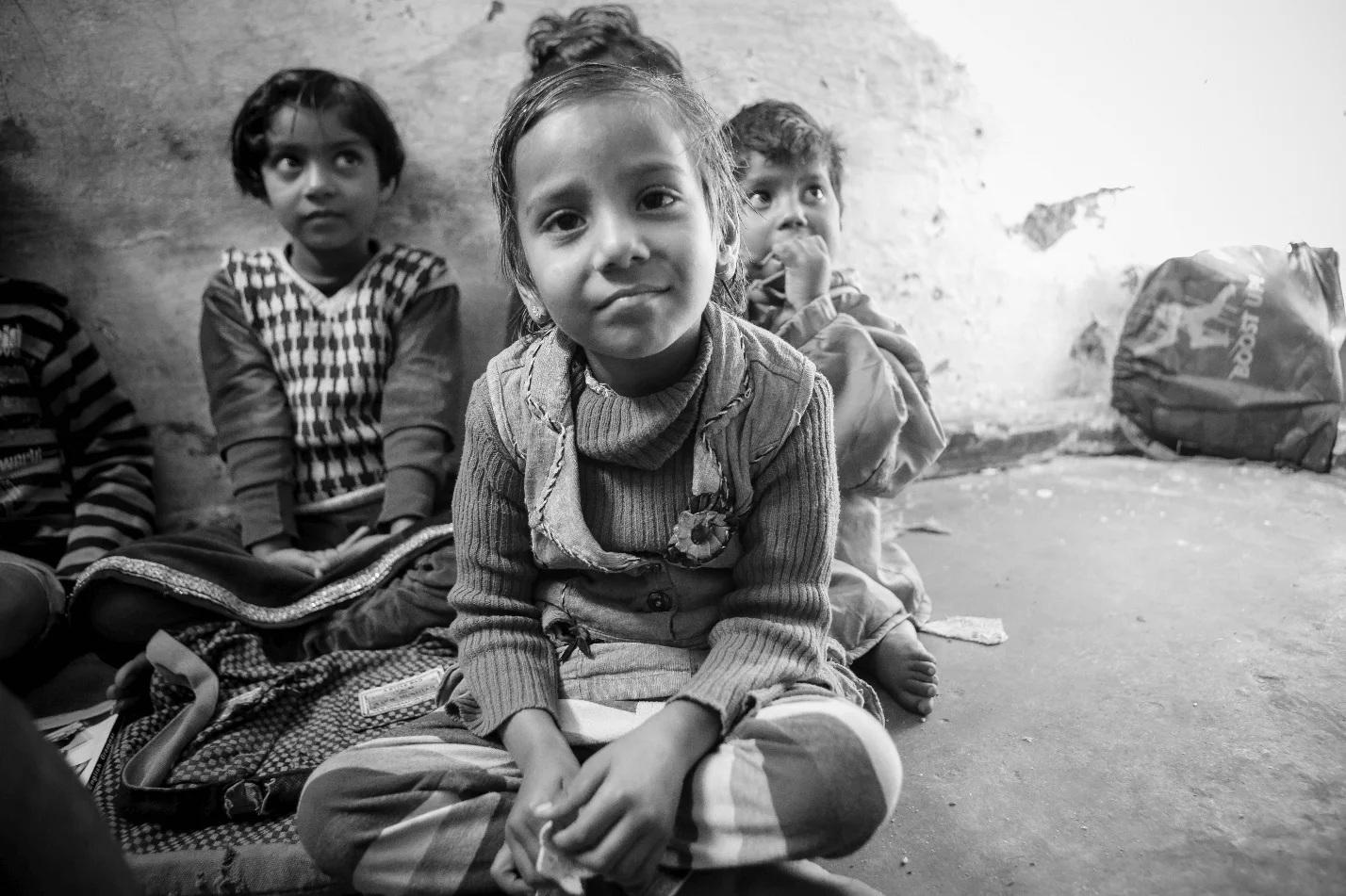
Technology has become an essential part of modern life, influencing how we learn, work, communicate, and access opportunities. However, millions of children living in rural areas still face significant barriers to accessing digital tools and technology. This gap, often referred to as the digital divide, limits educational opportunities and prevents children from developing skills needed for the future.
Digital literacy in rural areas is emerging as a powerful solution to bridge this divide. By equipping children with digital skills and access to technology, communities can unlock new opportunities for education, employment, and social development.
What Is Digital Literacy?
Digital literacy refers to the ability to use digital devices, technology, and online resources effectively and safely. It includes skills such as:
- Using computers, tablets, and smartphones
- Accessing information online
- Communicating through digital platforms
- Understanding online safety and privacy
- Creating and sharing digital content
- Using technology for learning and problem-solving
In today's digital world, these skills are as important as reading and writing.
Why Digital Literacy Matters in Rural Areas
Many rural communities face challenges such as limited educational resources, inadequate infrastructure, and restricted access to information. Digital literacy can help overcome these barriers by connecting children to a wider world of knowledge and opportunities.
Access to Quality Education
Digital learning platforms provide students with access to educational content that may not be available in local schools. Online lessons, virtual classrooms, and educational applications help children learn beyond traditional textbooks.
Improved Learning Outcomes
Interactive digital tools make learning more engaging and personalized. Videos, animations, quizzes, and educational games can improve understanding and retention of concepts.
Exposure to New Opportunities
Digital literacy introduces children to career paths, industries, and skills that may otherwise remain inaccessible in rural settings. It broadens their aspirations and helps them prepare for future employment.
Better Access to Information
The internet provides access to information on health, agriculture, science, government schemes, and various social issues. Children and their families can make more informed decisions when they have access to reliable information.
Challenges to Digital Literacy in Rural Areas
Despite its benefits, several obstacles continue to limit digital literacy among rural children.
Limited Internet Connectivity
Many rural regions still struggle with unstable or unavailable internet access, making online learning difficult.
Lack of Digital Devices
Not every household can afford smartphones, computers, or tablets required for digital learning.
Inadequate Infrastructure
Frequent power outages and limited technological infrastructure can disrupt learning opportunities.
Low Digital Awareness
Parents and community members may not fully understand the benefits of digital education, reducing support for children's digital learning.
Gender-Based Barriers
In some communities, girls have less access to technology than boys, widening educational inequalities.
How Digital Literacy Transforms Rural Children's Lives
Enhances Educational Opportunities
Digital literacy enables children to access diverse learning materials and educational resources that supplement classroom teaching.
Builds Future-Ready Skills
Technology skills are increasingly important across industries. Early exposure helps children develop competencies that improve future employability.
Encourages Creativity and Innovation
Children can use digital tools to create presentations, videos, projects, and other forms of creative expression, boosting confidence and problem-solving abilities.
Promotes Independent Learning
Digital resources encourage children to explore topics independently, fostering curiosity and lifelong learning habits.
Supports Social Inclusion
Technology helps children connect with peers, educators, and mentors beyond their local communities, reducing isolation and expanding perspectives.
The Role of Schools in Promoting Digital Literacy
Schools play a critical role in preparing children for a digital future.
Establishing Digital Classrooms
Schools can integrate computers, smart boards, and internet-enabled learning tools into daily teaching practices.
Training Teachers
Teachers need digital skills and training to effectively use technology in the classroom and guide students.
Incorporating Digital Education
Digital literacy should become an integral part of school curricula, helping students develop practical technology skills from an early age.
Community Support for Digital Literacy
Creating digitally empowered communities requires collaboration among schools, families, governments, and non-profit organizations.
Awareness Programs
Community awareness initiatives can help parents understand the importance of digital education.
Digital Learning Centers
Shared technology hubs and community learning centers can provide access to devices and internet services for children who lack them at home.
Public-Private Partnerships
Partnerships between governments, NGOs, and private organizations can help expand digital infrastructure and learning opportunities in rural areas.
The Future of Rural Education
As technology continues to shape society, digital literacy will become increasingly important for children's success. Rural children deserve equal access to the skills and resources needed to thrive in the digital age.
Investing in digital literacy not only improves education but also empowers children to break cycles of poverty, access new opportunities, and contribute meaningfully to their communities. Bridging the digital divide is essential for creating a more inclusive and equitable future for every child.
Conclusion
Digital literacy in rural areas has the power to transform children's lives by expanding educational opportunities, developing future-ready skills, and fostering social inclusion. While challenges such as connectivity, affordability, and infrastructure remain, continued investment in digital education can help ensure that no child is left behind.
By providing rural children with access to technology and digital skills, we can build a future where every child has the opportunity to learn, grow, and succeed in an increasingly digital world.

 Arabic
 French
 Spanish
 Portuguese
 Deutsch
 Turkish
 Dutch
Dutch
 Italiano
 Russian
 Romaian
 Portuguese (Brazil)
 Greek
Greek