


Understanding Klow Blend Peptides: A Complete Overview
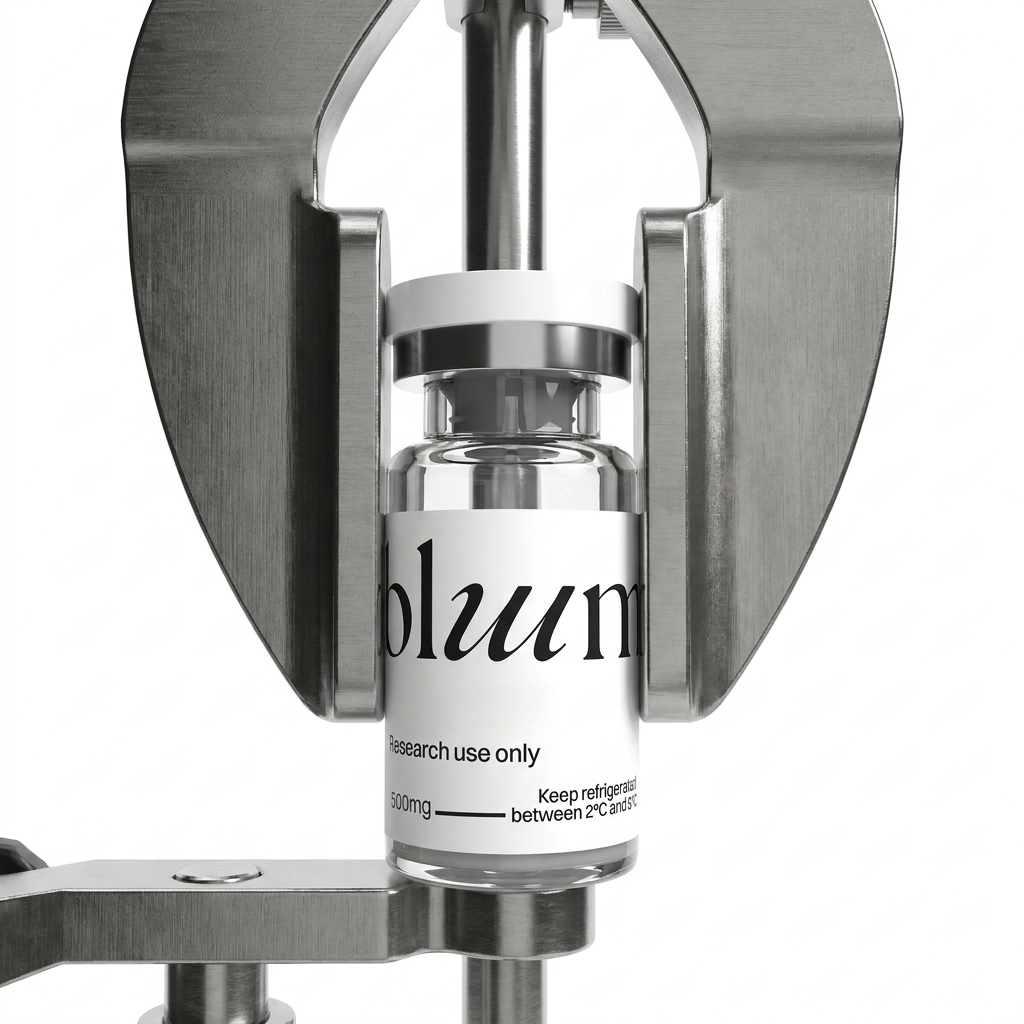
Peptide research has expanded considerably as scientists investigate smaller biological molecules and their potential roles in cellular signaling, tissue processes, inflammation, and structural remodeling. Among the products discussed in the research-peptide space, klow blend peptides have gained attention because they combine several individually studied peptides into one research preparation. Understanding what the blend contains, why its components are studied, and where the available evidence remains limited is essential for evaluating it responsibly.
KLOW is generally described as a combination of GHK-Cu, BPC-157, TB-500, and KPV. These are separate compounds rather than four parts of one newly created peptide molecule. Each has a different research history and biological focus, which makes the blend particularly interesting from a research perspective. At the same time, findings involving an individual component should not automatically be interpreted as proof that the complete KLOW combination produces the same effects.
What Are Klow Blend Peptides?
Klow blend peptides are generally presented as a multi-component research formulation containing GHK-Cu, BPC-157, TB-500, and KPV. The exact ratio can differ between formulations, so researchers should examine the specific product documentation rather than assuming that every KLOW preparation contains identical quantities. In commonly described formulations, GHK-Cu represents the largest portion of the blend, while BPC-157, TB-500, and KPV are included in smaller amounts.
The name KLOW is essentially a convenient designation for the combination rather than the scientific name of a single compound. This distinction matters because the scientific literature is primarily organized around the individual peptides. Researchers therefore need to evaluate the evidence for GHK-Cu, BPC-157, TB-500, and KPV separately before considering how their simultaneous presence might affect an experimental model.
Another important point is that the existence of a commercially described blend does not mean the combination has been extensively evaluated in controlled research. A scientifically responsible overview should distinguish between component-level evidence and blend-level evidence. Laboratory findings involving one peptide can provide a reason to investigate a compound, but they cannot establish that a combination will have predictable additive, complementary, or synergistic activity.
Understanding the Four Main Components
GHK-Cu is a copper-binding tripeptide that has attracted research interest in areas involving extracellular matrix biology, collagen-related processes, cellular signaling, and tissue remodeling. Its copper association is an important part of its identity and helps explain why it is investigated in research involving structural and cellular processes. Studies of GHK-Cu have included laboratory and experimental models, although results from these settings should not automatically be interpreted as clinical outcomes.
BPC-157 is a synthetic peptide that has been widely investigated in preclinical research, particularly in experimental models involving gastrointestinal tissues, tendons, ligaments, muscles, and other forms of tissue injury. Researchers have explored several possible mechanisms related to vascular signaling and tissue responses. However, much of the available evidence remains preclinical, making it important to avoid treating laboratory findings as established evidence of human therapeutic effectiveness.
TB-500 is associated with research surrounding thymosin beta-4-related biological mechanisms, particularly processes involving cellular movement and tissue organization. Researchers should be careful with terminology because commercially marketed TB-500 should not automatically be considered identical to full-length thymosin beta-4 used in particular scientific studies. Differences in molecular structure can affect how research findings should be interpreted.
KPV is a short peptide fragment derived from alpha-melanocyte-stimulating hormone and has been investigated primarily in relation to inflammatory signaling. Experimental studies have examined pathways associated with inflammatory responses, including NF-kB-related activity. As with the other components, these findings provide scientific context for research but do not establish that a KPV-containing blend is an approved treatment for inflammatory conditions.
Why Researchers Are Interested in the Combination
The research interest surrounding klow blend peptides comes partly from the fact that its components have different areas of investigation. GHK-Cu is associated with extracellular matrix and tissue-remodeling research, BPC-157 with experimental tissue-repair and vascular mechanisms, TB-500 with cellular migration-related pathways, and KPV with inflammatory signaling. Bringing these different research areas into one preparation creates a hypothesis that can be investigated experimentally.
However, a theoretical rationale is not the same thing as demonstrated synergy. If four compounds influence different biological pathways, researchers still need controlled experiments to determine whether those pathways interact positively, negatively, or independently. One compound could potentially alter the activity, stability, distribution, or interpretation of another. Without appropriate combination studies, these questions remain unanswered.
This is one of the most important principles for understanding peptide blends. It is tempting to combine the findings associated with each component and describe them as though they automatically apply to the complete formulation. That approach can exaggerate the evidence. A more accurate interpretation is that the individual components provide reasons for scientific interest, while the complete blend requires its own analytical, biological, and safety evaluation.
Potential Research Areas and Evidence Limitations
The individual components of KLOW have been studied across several research areas. GHK-Cu has been examined in relation to extracellular matrix regulation and cellular processes. BPC-157 has received attention in experimental models involving tissue injury and repair. TB-500 and thymosin beta-4-related research has explored cellular movement and tissue organization, while KPV has been investigated for its relationship with inflammatory pathways.
These research areas help explain why KLOW is often discussed in connection with tissue-related and inflammatory research. Nevertheless, the strength of evidence varies substantially between compounds and research models. Some observations come from cell-based experiments, while others come from animal studies. Findings from these models can be useful for developing hypotheses but do not necessarily predict how a substance will behave in humans.
There is also a significant difference between studying an isolated peptide and studying four peptides together. A combination may have different pharmacological characteristics, stability considerations, and biological interactions than its individual components. Researchers therefore need dedicated experiments to determine whether the blend behaves as expected. At present, the absence of extensive controlled research on the complete KLOW formulation is an important limitation.
For this reason, claims describing the blend as definitively producing a particular health or recovery outcome should be approached carefully. E-E-A-T principles require transparent communication about evidence quality and uncertainty. Rather than presenting preliminary research as established fact, responsible content should explain which observations are supported by experimental research and which statements remain theoretical.
Klow Blend Peptides and Quality Verification
Quality control is especially important when researchers are evaluating a multi-component preparation. A product label can describe the intended formulation, but analytical testing provides additional information about what is actually present. For a blend containing several peptides, identity and purity become important considerations because researchers need confidence that the material corresponds to its stated composition.
High-performance liquid chromatography, commonly known as HPLC, can be used as part of analytical quality assessment to examine purity profiles. Mass spectrometry can provide additional information that supports molecular identification. These methods answer different analytical questions, so using appropriate testing methods together can provide a stronger picture than relying on appearance, labeling, or a single analytical measurement.
Batch-specific documentation can also improve research transparency. A certificate of analysis should ideally identify the tested material or batch and provide relevant analytical information. Researchers can examine reported purity, testing methodology, sample identification, laboratory details, and other available specifications. This documentation is particularly useful when reproducibility matters because researchers need to know whether the material used in one experiment is comparable with material used in another.
The appearance of a peptide preparation should never be treated as a substitute for analytical verification. Likewise, a high stated purity percentage does not answer every question about identity, concentration, sterility, stability, contaminants, or formulation quality. A comprehensive quality-control approach considers multiple factors rather than relying on one number.
Klow Blend Peptides Compared With Snap 8 Peptide
The snap 8 peptide represents a very different research concept from KLOW. SNAP-8, also known as acetyl octapeptide-3, is a short peptide that has been investigated primarily in cosmetic and skin-related research. Its research background is connected with peptide signaling and mechanisms associated with facial-expression-related muscle activity, making it distinct from the multi-component composition of KLOW.
The difference is important because KLOW combines four separate research peptides, while SNAP-8 is a specific peptide sequence with its own structure and research history. Comparing the two simply because they are both called peptides can create confusion. Their molecular characteristics, research objectives, formulation requirements, and evidence bases are different.
SNAP-8 is commonly discussed in cosmetic formulations and laboratory research involving the appearance of expression-related facial lines. However, claims about cosmetic ingredients should still be evaluated according to the quality of the supporting evidence. Laboratory mechanisms do not automatically establish the magnitude or consistency of an observable cosmetic effect in every individual.
For researchers exploring peptide science, the comparison illustrates why peptide names alone are not enough. A useful evaluation considers molecular identity, mechanism of interest, experimental evidence, formulation, analytical verification, and intended research purpose. Whether the subject is KLOW, SNAP-8, or another peptide, those factors provide a more reliable foundation for understanding the material.
What to Consider Before Evaluating a KLOW Research Product
Anyone evaluating klow blend peptides should first determine exactly what formulation is being described. Since blend compositions can vary, the stated ingredients and quantities should be checked against the available product documentation. Researchers should also consider whether the analytical testing corresponds to the specific batch under evaluation rather than relying on a generic document.
The next consideration is evidence quality. Researchers should distinguish between cell studies, animal experiments, observational information, and controlled human research. These categories have different evidentiary strengths. A promising laboratory observation may justify additional research, but it should not be presented as confirmation of clinical effectiveness or safety.
Storage and handling information can also be relevant to research integrity because peptides may be sensitive to environmental conditions. Researchers should follow the manufacturer's documented research-handling requirements and maintain appropriate laboratory procedures. Good documentation throughout an experiment can make results easier to reproduce and helps separate genuine experimental observations from avoidable variability.
Finally, KLOW should be approached as a research formulation rather than automatically treating it as a medical product. The fact that individual peptides have been investigated does not establish that the complete combination is approved, clinically proven, or suitable for personal use. Responsible peptide research depends on accurate identification, appropriate analytical testing, careful interpretation, and honest recognition of evidence limitations.
The Future of KLOW Research
The future research value of klow blend peptides will depend on studies that examine the complete formulation rather than simply combining conclusions from separate peptide studies. Controlled experiments could investigate the stability of the formulation, interactions between its components, biological activity, pharmacokinetic characteristics, and potential differences between individual components and the combined preparation.
Such research could also help answer whether combining several peptides produces genuinely complementary effects or simply creates a more complicated formulation without a demonstrated advantage. Well-designed experiments would be especially valuable because they could distinguish theoretical mechanisms from measurable outcomes. Reproducible analytical testing would also help researchers determine whether different formulations marketed under the same name are actually comparable.
For now, the most accurate way to understand KLOW is as a multi-peptide research formulation built around four distinct compounds: GHK-Cu, BPC-157, TB-500, and KPV. Each component has its own scientific background, but the evidence surrounding the individual peptides should not be mistaken for comprehensive evidence about the complete blend. When evaluated through careful documentation, analytical verification, and evidence-based interpretation, KLOW provides an interesting example of how modern peptide research explores combinations of biologically active molecules while also demonstrating why scientific caution remains essential.

 English
 Arabic
 French
 Spanish
 Portuguese
 Deutsch
 Turkish
 Dutch
Dutch
 Italiano
 Romaian
 Portuguese (Brazil)
 Greek
Greek
