


Core Aeration and Seeding: A Complete Guide to a Healthier, Thicker Lawn
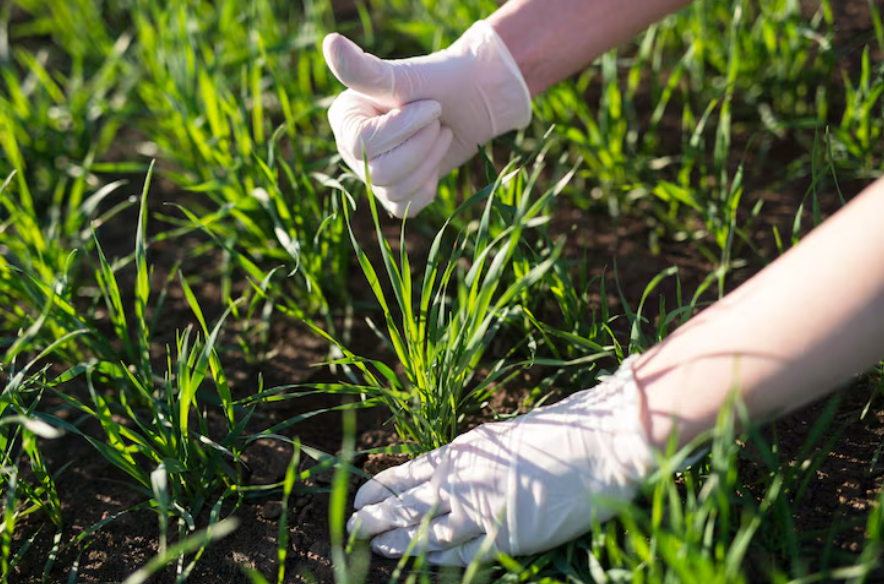
A healthy lawn requires more than regular mowing and watering. Over time, soil can become compacted, grass roots may struggle to access air and water, and bare or thin areas can develop. Two of the most effective lawn care practices for addressing these problems are core aeration and seeding. When performed correctly and at the right time, these services can improve soil conditions, encourage stronger root growth, and help create a thicker, greener lawn.
Understanding how core aeration and seeding work together can help homeowners make better decisions about their lawn maintenance. Although each service has a different purpose, combining them can provide significant benefits because aeration prepares the soil while seeding introduces new grass plants into areas that need improvement.
What Is Core Aeration?
Core aeration is a lawn care process designed to relieve soil compaction. During the process, a specialized machine removes small plugs or cores of soil from the lawn. These openings create pathways that allow air, water, and nutrients to reach the root zone more effectively.
Soil naturally becomes compacted because of foot traffic, outdoor activities, pets, mowing equipment, weather conditions, and general use. Compacted soil has fewer spaces between soil particles, making it difficult for roots to grow and access essential resources.
A lawn affected by compaction may appear thin, weak, or discolored even when it receives regular watering and fertilizer. Core aeration can improve the physical condition of the soil and provide grass roots with a better environment for development.
Why Does Lawn Aeration Matter?
Grass roots need oxygen, water, and nutrients to remain healthy. When soil becomes heavily compacted, these resources have difficulty moving through the soil. Roots may become shallow, and grass can become more vulnerable to drought, heat, disease, and everyday stress.
Core aeration helps address these problems by opening the soil. The holes created by the aerator improve air circulation and water penetration. They also provide grass roots with additional room to expand.
Another advantage is that aeration can help reduce problems associated with thatch. While a small amount of thatch can be beneficial, excessive organic material can interfere with water and nutrient movement. Regular lawn care practices, including appropriate aeration, can help maintain a healthier growing environment.
What Is Seeding?
Seeding involves distributing grass seed across an existing lawn or targeted areas where grass is thin, damaged, or missing. New seed can introduce additional grass plants and improve lawn density.
Overseeding is particularly useful when an established lawn has developed bare patches or has gradually become less dense. Instead of completely replacing the lawn, homeowners can use seeding to encourage new growth while preserving the existing grass.
Successful seeding requires more than simply spreading seed over the lawn. The seed needs proper contact with the soil, adequate moisture, appropriate temperatures, and sufficient time to germinate and establish.
Why Combine Core Aerating and Seeding?
Core aerating and seeding work especially well together because aeration creates favorable conditions for new grass seed. The openings left by core aeration expose areas of soil where seed can settle and establish.
Without adequate soil contact, grass seed can remain on the surface and may have difficulty developing strong roots. After aeration, seed can reach the soil more effectively. Water can also penetrate the newly opened areas, supporting germination.
This combination makes the lawn renovation process more efficient. Aeration improves the soil environment, while seeding increases grass coverage. Together, these practices can help transform a thin or stressed lawn into a thicker and healthier landscape.
Signs Your Lawn May Need Aeration and Seeding
Several signs can indicate that your lawn could benefit from these services. If the soil feels hard when you walk across it or water tends to run off rather than soak into the ground, compaction may be present.
Thin grass is another common warning sign. If sunlight reaches the soil through large gaps between grass plants, additional seed may help increase lawn density. Bare areas caused by pets, foot traffic, insects, weather, or other conditions can also benefit from seeding.
You may also notice that your lawn responds poorly to watering and fertilization. When compacted soil prevents resources from reaching the roots, even a regular maintenance program may produce limited results.
Choosing the Right Time
Timing is an important part of successful lawn renovation. Cool-season grasses generally benefit from aeration and seeding during periods when temperatures support active grass growth. The exact timing depends on the grass variety, climate, soil condition, and seasonal weather.
Performing these services during unsuitable weather can reduce germination and establishment. Extremely hot, dry conditions can place additional stress on new grass, while excessively wet conditions can make soil difficult to work with.
A lawn care professional can evaluate the condition of the grass and soil and recommend an appropriate schedule based on local growing conditions.
Preparing the Lawn
Proper preparation can improve the results of core aeration and seeding. The lawn may need to be mowed before treatment, while irrigation can help ensure the soil has suitable moisture for aeration.
It is also helpful to identify areas with significant damage, heavy traffic, poor drainage, or other underlying problems. Simply adding seed will not permanently solve an issue if the cause of lawn deterioration remains.
For example, a drainage problem may continue damaging grass even after successful seeding. Similarly, excessive shade may prevent certain grass varieties from thriving. Addressing these conditions can make lawn improvement efforts more successful.
Aftercare Is Essential
The work does not end when the aerator and seeder are finished. New grass seed requires consistent moisture during germination and early establishment. The lawn should generally be kept adequately moist without creating excessive standing water.
Newly seeded areas should also be protected from unnecessary traffic while the grass becomes established. Walking, playing, or allowing pets to repeatedly cross vulnerable areas can disturb seed and emerging seedlings.
As the new grass develops, mowing should be performed carefully. Maintaining an appropriate mowing height helps reduce stress and encourages healthier growth.
Long-Term Lawn Benefits
Regular core aeration and seeding can become valuable components of a long-term lawn care program. Aeration helps maintain healthier soil conditions, while seeding helps maintain grass density.
A thicker lawn can also provide better coverage across the soil surface. Dense grass may help reduce opportunities for weeds to establish by occupying available growing space. Stronger grass growth can also improve the overall appearance of the property.
However, these services work best as part of a broader maintenance strategy that includes proper mowing, watering, fertilization, weed management, and attention to soil conditions.
Professional Lawn Care Can Make a Difference
While homeowners can perform some lawn care tasks themselves, professional equipment and experience can make aeration and seeding more efficient. A trained lawn care provider can assess soil compaction, grass condition, lawn density, drainage, and other factors before recommending treatment.
Professional core aeration and seeding can also help ensure that the lawn receives appropriate coverage and that the services are performed under suitable conditions.
Whether your lawn has become thin from heavy use or simply needs rejuvenation after a difficult growing season, combining these services can provide an effective approach to lawn improvement.
Conclusion
A beautiful lawn starts below the surface. Healthy soil gives grass roots the foundation they need to grow, while adequate grass density helps create an attractive and resilient landscape. Core aeration and seeding address both sides of this equation by improving soil conditions and introducing new grass growth.
By understanding the value of core aerating and seeding, homeowners can take a proactive approach to lawn care rather than waiting for severe thinning or bare patches to develop. With proper timing, preparation, aftercare, and ongoing maintenance, these services can help support a greener, thicker, and healthier lawn throughout the growing season.

 English
 Arabic
 French
 Spanish
 Portuguese
 Deutsch
 Turkish
 Italiano
 Russian
 Romaian
 Portuguese (Brazil)
 Greek
Greek