


How Do Calling Cards Keep Global Connections Alive?
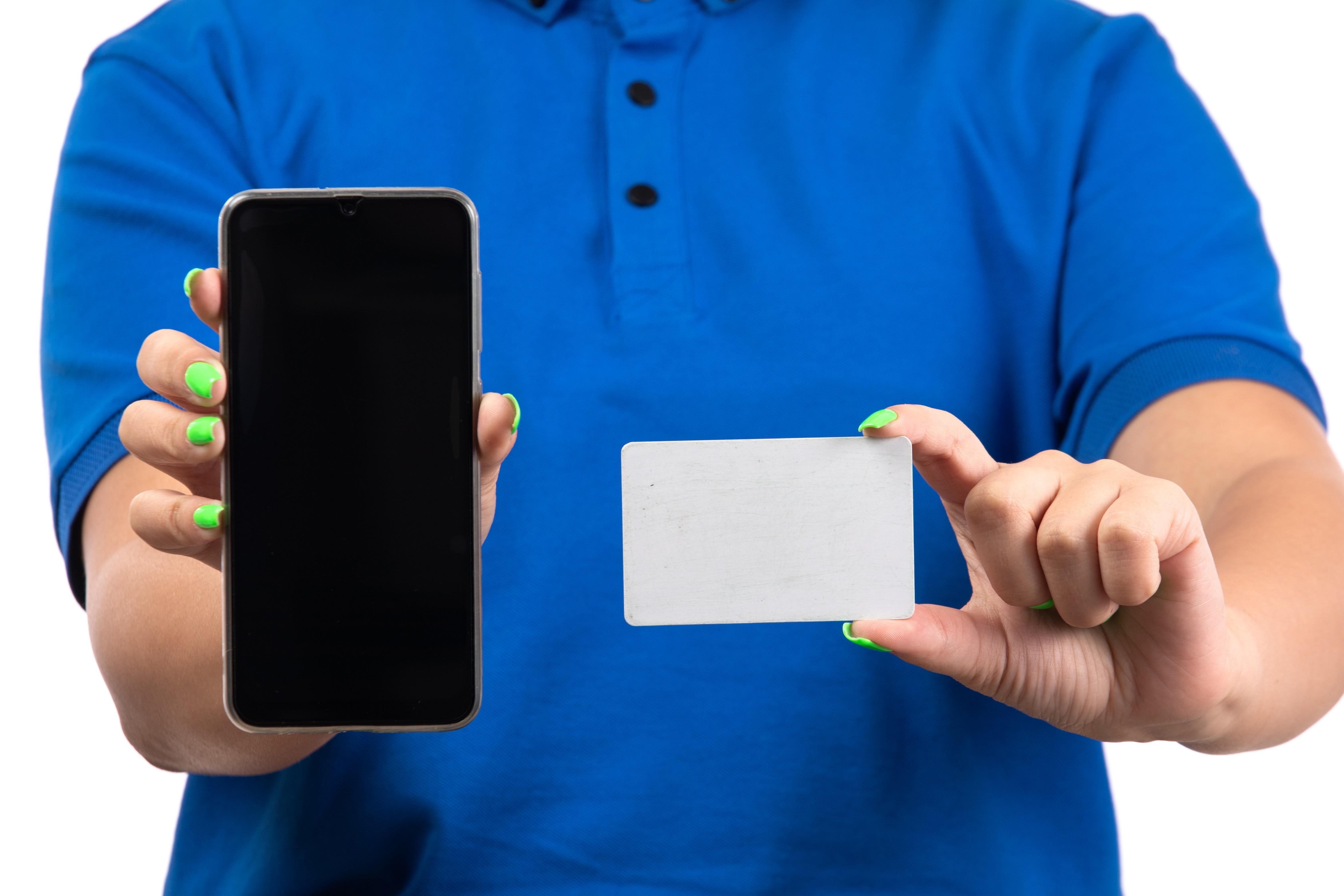
People still need simple ways to talk across borders. Apps and mobile plans dominate daily life for many. Yet many users still face practical limits. Poor internet access. No bank accounts. Tight budgets. Or short-term travel needs. A reliable prepaid option fills those gaps. It delivers voice calls without complex contracts or heavy data dependence.
In the 1990s, affordable international voice tools helped immigrant communities and travelers stay linked during major market shifts. Ranjit Singh Masuta Telecom Services developed practical expertise in these early solutions, making cross-border contact more accessible.
Why Prepaid Voice Options Persist
High long-distance rates once locked families out of regular contact. Physical cards and call shops changed the math. Users paid upfront. They dialed access numbers. They spoke without surprise bills. The model spread among diaspora groups across Europe and beyond.
Today the same logic holds in specific cases. Migrant workers often prefer cash-based tools. Travelers want to avoid roaming charges. People in rural zones or controlled environments rely on prepaid systems. Recent market analyses estimate the U.S. international calling card segment at nearly $ 1.1 billion in 2024. Projections point toward roughly 1.4 billion dollars by 2033, with modest annual growth around 2.6 percent. The category no longer expands rapidly. It endures as a focused niche that serves needs apps cannot always cover.
Picture a construction worker in Europe who sends money home each month. He buys a low-value card at a local store. He calls relatives without draining his mobile data. Or consider a tourist whose phone loses signal in a remote spot. A standard access-number card can work from many landlines or public phones where available. These everyday situations keep steady demand.
Clear Benefits Users Still Value
Transparency comes first. Users see the remaining balance. They control every spend. No monthly fees appear by surprise. Rates frequently undercut standard carrier international prices on popular routes. Setup stays straightforward. Scratch a PIN. Dial the access code. Enter the destination number. The steps take only seconds.
Portability adds real value. Cards travel lightly. No SIM change is required. No app install is needed on another person’s device. Families sometimes share one card among several users. Careful providers strengthen protection through fraud monitoring, account controls, and usage alerts.
Analysts who track global voice traffic note that traditional carrier minutes keep falling as messaging apps capture more volume. Yet voice remains preferred for personal conversations. Long talks with parents or children still feel more direct over a clear line than through text or video that freezes. Average call lengths have stayed relatively steady even as total volumes drop. People choose quality when the moment matters.
Practical Examples From Daily Life
A student studying abroad runs low on local credit. She uses a prepaid option to check in with family without adding cost to her host-country plan. A small business owner contacts suppliers on another continent during a power cut that disables broadband. The card works from a backup landline where the access number is supported. Seasonal workers move between job sites and avoid multi-month mobile contracts. Each case shows the tool solving a concrete problem rather than competing with full smartphone ecosystems.
Updated industry data reinforces the pattern. Traditional international voice traffic has declined by roughly seven percent in recent annual figures. Over-the-top apps absorbed much of that volume. Still, dedicated prepaid voice products retain users who value cash payment, limited digital dependence, or controlled spending. Providers that publish clear rates and deliver the promised minutes build lasting trust in these segments.
How Technology Updated The Experience
Early cards relied on basic PIN systems and fixed access numbers. Modern versions add smarter routing. Some digital interfaces show real-time balances. Virtual cards load through simple online steps for users who prefer them. Hybrid models mix physical cards with app access. The core idea stays the same: prepaid control.
Users should check details carefully. Look for published rate tables. Confirm any connection fees. Avoid products that reduce minutes without clear notice. Reputable sellers state terms openly. They support common destinations with competitive pricing. Reading the fine print protects the value.
Looking Ahead Without Hype
Voice connectivity will keep changing. Newer networks and satellite options expand coverage. Gaps remain. Not every region offers cheap unlimited data. Not every user trusts digital wallets. Cash-based economies continue in many communities. In those settings, the simple prepaid model continues to deliver reliable results.
The approach that once helped people in Swiss cities call home at lower cost still solves similar problems worldwide. The focus stays on reliability, affordability, and ease of use. That combination matters more than the latest novelty.
FAQs
What makes a prepaid voice product different from a regular mobile plan?
It usually requires no long-term contract or credit check. Users buy value in advance and spend only what they load.
Who benefits most from these options today?
Migrant workers, travelers, people without steady bank access, and anyone needing temporary low-cost international calls.
Do these products work without the internet?
Most operate through standard phone networks and access numbers rather than data connections, though availability depends on the specific product and location.
How can someone avoid common pitfalls?
Choose cards with published rates. Confirm the provider delivers the advertised minutes. Prefer sellers with clear support details.
Will demand disappear as apps improve?
Volumes have shifted, yet the niche remains for users who need cash-based, offline-capable, or tightly controlled calling tools.
 Turkish
 English
 Arabic
 French
 Spanish
 Portuguese
 Deutsch
 Dutch
Dutch
 Italiano
 Russian
 Romaian
 Portuguese (Brazil)
 Greek
Greek