


Hepatitis C: Symptoms, Diagnosis, Treatment, and Cure
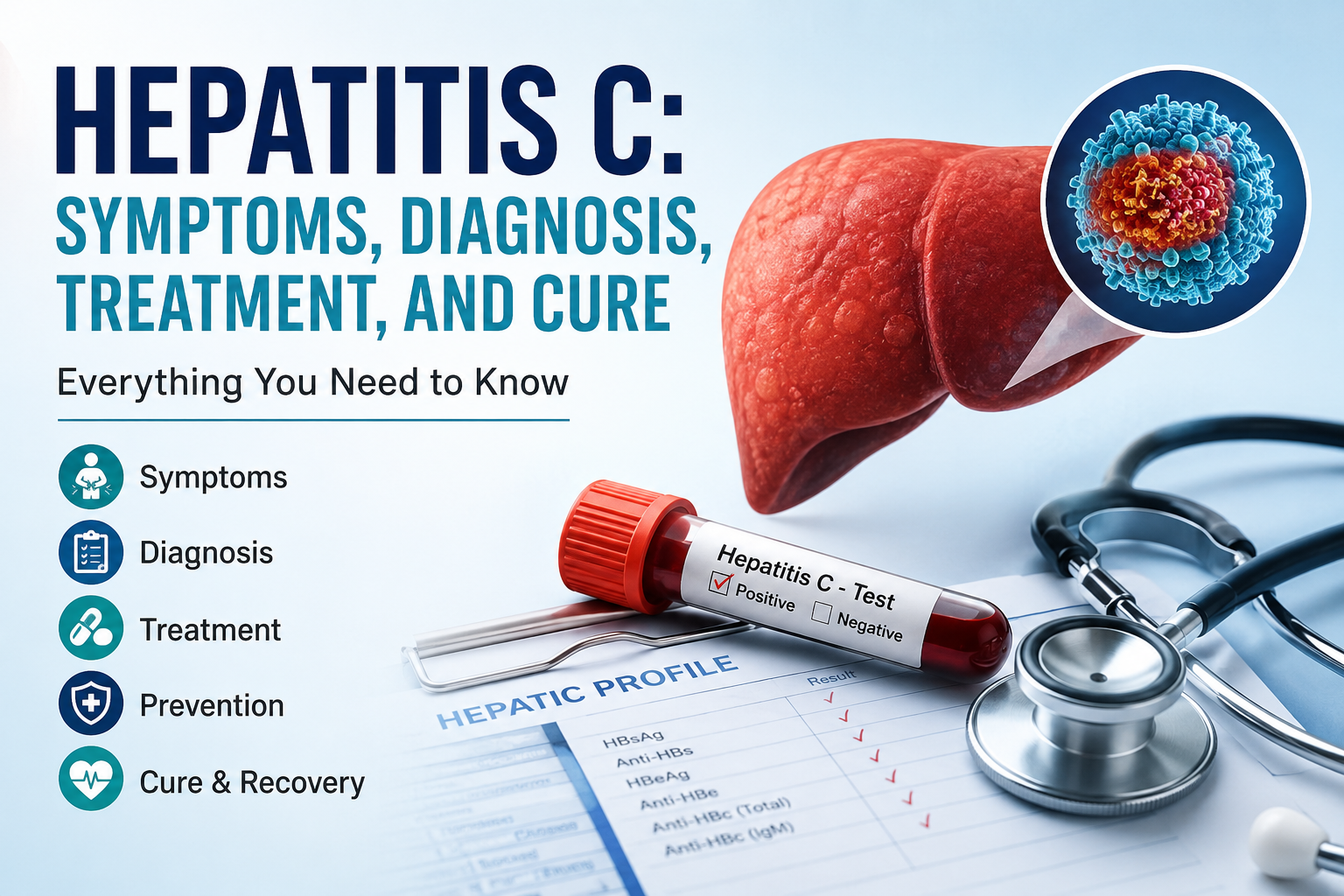
Hepatitis C is a viral infection that primarily affects the liver, and one of the biggest challenges with this disease is that it can remain hidden for years. A person may feel perfectly healthy while the hepatitis C virus gradually causes inflammation and liver damage. According to the World Health Organization's latest information, an estimated 47 million people are living with chronic hepatitis C globally, with about 0.9 million new infections occurring each year. In 2024, approximately 239,000 people died from hepatitis C-related complications, mainly cirrhosis and liver cancer. The encouraging part is that hepatitis C is no longer considered an inevitably lifelong infection: modern direct-acting antiviral (DAA) medicines can cure more than 95% of people in many circumstances, usually after a relatively short course of oral treatment. This makes early testing and appropriate medical care extremely important. If you have been diagnosed with hepatitis C, have abnormal liver tests, or have risk factors for HCV infection, speaking with a qualified hepatologist or gastroenterologist can help determine the right next step. For people with advanced liver disease, consultation with a transplant-focused liver team may also become important; someone searching for the best liver transplant specialist in Delhi should look for appropriate qualifications, experience with advanced liver disease, transplant expertise, and a multidisciplinary support system rather than relying only on online rankings.
Learn about hepatitis C symptoms, diagnosis, treatment, and cure, including modern antiviral therapies, prevention, liver complications, and when to consult the best liver transplant specialist in Delhi
What Is Hepatitis C?
Hepatitis C is an infection caused by the hepatitis C virus (HCV). The virus is primarily transmitted through infected blood and can cause inflammation of the liver. The infection may be acute, meaning it occurs during the first months after exposure, or chronic, meaning the virus remains in the body for a longer period. The difference matters because untreated chronic hepatitis C can progressively injure liver tissue and eventually contribute to fibrosis, cirrhosis, liver failure, or hepatocellular carcinoma, which is a type of primary liver cancer. The WHO reports that approximately 30% of people who acquire HCV naturally clear the virus within six months, while most of the remainder develop chronic infection. Unlike hepatitis A and hepatitis B, there is currently no effective vaccine for hepatitis C, so prevention depends largely on reducing exposure to infected blood and diagnosing infections early. Think of the liver as a busy chemical-processing plant: it performs hundreds of essential jobs every day, and chronic viral inflammation can gradually damage the machinery even before obvious warning signs appear. That is why a person should not wait for severe symptoms before considering testing.
Acute vs. Chronic Hepatitis C
Acute hepatitis C develops relatively soon after infection and may be completely silent. When symptoms occur, they can resemble many other illnesses, including fatigue, fever, nausea, abdominal discomfort, reduced appetite, dark urine, joint pain, or jaundice. The CDC notes that symptoms of acute HCV infection, when they occur, may appear approximately 2–12 weeks after exposure, although the possible window is broader. Chronic hepatitis C develops when the virus remains in the body, and this stage can continue for years without obvious symptoms. Some people eventually experience persistent fatigue or other nonspecific complaints, while others first learn about the infection through routine blood testing or when advanced liver disease is discovered. The silent nature of chronic infection is one reason hepatitis C has sometimes been described as a hidden liver disease. Without appropriate treatment, chronic infection can gradually increase the risk of serious liver complications. The good news is that modern antiviral therapy has transformed this situation: detecting the virus today can lead to a curative treatment rather than simply long-term observation.
How Hepatitis C Spreads
Hepatitis C is primarily a bloodborne infection, meaning transmission occurs when infected blood enters another person's bloodstream. Common routes include sharing needles or syringes, exposure to inadequately sterilized medical or injection equipment, unscreened blood transfusions in settings where blood screening is not reliable, and certain procedures involving contaminated instruments. The WHO also identifies some sexual practices that result in blood exposure as potential routes of transmission. Hepatitis C is not normally spread through casual contact such as hugging, holding hands, coughing, sharing food, or sitting beside an infected person. It is therefore important to separate genuine transmission risks from unnecessary fear or stigma. Someone who has hepatitis C should receive medical care and accurate information rather than social isolation. If you believe you may have been exposed to infected blood, the sensible response is not to wait for symptoms but to discuss appropriate testing with a healthcare professional.
Common Risk Factors
Risk factors can vary depending on a person's medical history, geographical setting, and past exposures. People who have shared injection equipment, undergone medical or dental procedures with inadequate infection-control practices, received blood products before reliable screening was introduced in a particular setting, or had occupational exposure to infected blood may have increased risk. Tattoos, piercings, or cosmetic procedures performed with improperly sterilized equipment can also create a potential blood exposure. People living with HIV or certain other medical conditions may require particular attention to hepatitis C screening and management. The important point is that having a risk factor does not prove that someone has hepatitis C, just as having no obvious risk factor does not completely exclude infection. Many infections are discovered unexpectedly because the initial exposure happened years earlier and was forgotten. If there is uncertainty, a simple blood test can provide much more useful information than trying to reconstruct every possible exposure from memory.
Symptoms of Hepatitis C
One of the most important facts about hepatitis C is that many infected people have no symptoms at all. The CDC states that many people with acute or chronic hepatitis C do not look or feel ill, and chronic infection may remain without specific symptoms for 20 years or more. When symptoms do occur, they are often vague enough to be mistaken for stress, poor sleep, digestive problems, or another common condition. Fatigue, reduced appetite, nausea, abdominal discomfort, fever, joint pain, dark urine, pale or clay-colored stools, and jaundice can occur, but their presence or absence cannot reliably confirm or rule out hepatitis C. This is why symptom-based diagnosis is unreliable. Imagine trying to identify a small crack inside a building simply by looking at the front door; everything may appear normal from the outside while a problem is developing deeper inside. Blood testing is the more dependable way to determine whether HCV infection is present.
Early Symptoms
When acute hepatitis C causes symptoms, they may include tiredness, fever, nausea, vomiting, abdominal pain, reduced appetite, joint discomfort, dark urine, pale stools, and yellowing of the skin or eyes. However, these symptoms overlap with many other viral infections and digestive or liver conditions. Some people may have a mild illness that resolves without them realizing that hepatitis C was involved. Others may develop more noticeable symptoms, particularly when inflammation affects liver function. Because the early presentation can be subtle, a person who knows about a possible blood exposure should not rely on how they feel. Medical advice about the appropriate timing and type of HCV testing is much more useful. If jaundice, significant abdominal symptoms, persistent vomiting, unusual bleeding, confusion, or other serious symptoms develop, prompt medical assessment is appropriate because these findings can have multiple causes and may require urgent evaluation.
Symptoms of Chronic Infection
Chronic hepatitis C often behaves differently from an acute illness because the virus can remain in the body while causing slow, progressive injury. A person may experience ongoing tiredness, reduced energy, or nonspecific symptoms, but many people remain completely symptom-free. Over time, continuing inflammation and fibrosis can lead to cirrhosis, in which normal liver tissue is replaced by scar tissue. Once significant cirrhosis develops, symptoms may become more obvious and can include abdominal swelling from fluid accumulation, leg swelling, easy bruising or bleeding, muscle wasting, jaundice, confusion, or gastrointestinal bleeding. These are not symptoms that should be ignored. Chronic hepatitis C is particularly dangerous when it remains undiagnosed until advanced liver disease has already developed, which is why testing and treatment can be so valuable even when a person feels well.
Hepatitis C Diagnosis
Diagnosing hepatitis C usually begins with a blood test for HCV antibodies. A positive antibody result means that the immune system has been exposed to the virus at some point, but it does not by itself prove that active infection is still present. The next step is typically an HCV RNA test, which looks for the virus itself in the blood and determines whether there is current infection. This distinction is important because some people clear HCV naturally while retaining antibodies. The CDC recommends testing as the appropriate way to identify hepatitis C because symptoms alone are unreliable. If active infection is confirmed, the healthcare team evaluates the person's overall liver health and determines which treatment approach is appropriate. The diagnostic process is therefore not simply a single positive-or-negative test; it is a sequence designed to establish exposure, active infection, and the extent of liver involvement.
HCV Antibody Test
The antibody test is often used as the first step because it can identify whether the immune system has previously encountered HCV. A reactive or positive antibody result does not necessarily mean that the virus is currently present. Someone who cleared the virus spontaneously or was successfully treated may continue to have detectable antibodies. For that reason, an antibody result generally needs to be interpreted alongside an HCV RNA result. Patients should also tell their healthcare professional about previous hepatitis C treatment or known infection because this information can affect interpretation. Understanding this distinction can prevent unnecessary worry after an antibody-positive result. Instead of assuming that the infection is active, the next question should be whether HCV RNA can be detected.
HCV RNA Test
An HCV RNA test detects the genetic material of the hepatitis C virus and helps establish whether there is an active infection. If HCV RNA is detected, the person has current HCV infection and should be assessed for treatment. If antibodies are present but HCV RNA is not detected, active infection is not currently demonstrated, although clinical circumstances can influence whether repeat testing is appropriate. Once active infection is confirmed, the healthcare team may perform additional tests to understand liver function, assess fibrosis or cirrhosis, identify other infections such as hepatitis B or HIV, and check for factors that could affect medication selection. Current CDC clinical-care guidance recommends evaluation for chronic liver disease and assessment for HBV and HIV when treating HCV. This structured approach allows treatment to be tailored rather than relying on a one-size-fits-all prescription.
How Doctors Assess Liver Damage
Finding hepatitis C is only part of the medical assessment; doctors also need to understand whether the virus has already caused liver injury. Blood tests may measure liver enzymes and other markers of liver function, while imaging and non-invasive fibrosis assessments can help estimate the amount of scarring. Depending on the situation, clinicians may use ultrasound, elastography, or other tests to evaluate liver structure and stiffness. The aim is to determine whether the patient has little or no significant fibrosis, advanced fibrosis, or cirrhosis. This information can influence treatment planning and the intensity of long-term follow-up. People with established cirrhosis may need ongoing surveillance for liver cancer even after hepatitis C has been cured because eliminating the virus does not instantly reverse every consequence of longstanding liver scarring. Treating HCV early is therefore valuable not only because it removes the virus but also because it can help prevent progression toward advanced liver disease.
Can Hepatitis C Be Cured?
Yes, hepatitis C can usually be cured. This is one of the most important developments in modern liver medicine. The WHO states that direct-acting antiviral medicines can cure more than 95% of people with hepatitis C, while CDC clinical guidance similarly reports cure rates above 95% with appropriate DAA therapy. Treatment is generally based on oral medicines taken for a relatively short period, often around 8–12 weeks, although the exact regimen and duration depend on factors such as cirrhosis, previous treatment, drug interactions, and individual clinical circumstances. Cure is generally assessed by checking whether HCV RNA remains undetectable after treatment, commonly referred to as a sustained virologic response. Achieving a cure is not the same as developing permanent immunity: a person can become infected again after successful treatment if exposed to HCV in the future. That is why prevention remains important even after treatment has worked.
Hepatitis C Treatment Options
Modern treatment has moved away from older interferon-based approaches toward direct-acting antiviral medicines, commonly called DAAs. These medicines directly interfere with proteins that hepatitis C needs to reproduce, allowing the body's infection to be eliminated. The CDC reports that DAA treatment can cure more than 95% of infections with oral therapy, commonly within 8–12 weeks, and is recommended for nearly everyone with confirmed HCV infection, subject to specific exceptions and clinical considerations. Treatment choices may include pangenotypic regimens that work across multiple HCV genotypes, but the exact medicine should be selected by a qualified healthcare professional. Doctors consider liver function, cirrhosis, previous HCV treatment, kidney function, pregnancy status, other medicines, and possible drug interactions before prescribing. Patients should not purchase or start antiviral medication independently simply because a particular drug is advertised as a hepatitis C cure. The right regimen, dose, duration, and follow-up are essential for achieving a durable cure safely.
Direct-Acting Antivirals
DAAs have dramatically changed the outlook for people with hepatitis C because they are generally highly effective, orally administered, and much better tolerated than older therapies. WHO describes current treatment as a short-course oral approach with few or minimal side effects for many patients. Different combinations target different stages of the HCV replication process, and some modern regimens are pangenotypic, meaning they can treat multiple virus genotypes. The exact prescription depends on the clinical situation, so treatment should be individualized rather than copied from another patient's medication list. Doctors also review other medicines because drug interactions can sometimes affect the safety or effectiveness of treatment. Once therapy begins, taking every dose as prescribed and completing the recommended course are important. After treatment, a follow-up HCV RNA test helps determine whether the virus has been successfully cleared.
What Happens After Treatment?
Completing treatment is not necessarily the final step. The medical team generally performs follow-up testing to determine whether HCV RNA remains undetectable after the appropriate post-treatment interval. If the virus is no longer detectable at the recommended assessment point, the person is considered to have achieved a sustained virologic response, commonly referred to as a cure. However, liver recovery depends partly on how much damage existed before treatment. A person without significant fibrosis may have an excellent long-term outlook, while someone with established cirrhosis may still require ongoing liver monitoring even after HCV has been eliminated. This is because scarred liver tissue does not simply disappear overnight when the virus is gone. Patients should also remember that successful treatment does not provide immunity, so future blood exposure can lead to reinfection.
Hepatitis C and Cirrhosis
Cirrhosis is one of the most serious long-term complications of untreated chronic hepatitis C. It occurs when repeated liver injury causes extensive scarring and changes the liver's normal architecture. The CDC notes that approximately 5%–25% of people with chronic hepatitis C may develop cirrhosis over a 10–20 year period, although the individual risk varies. Once cirrhosis develops, complications can include portal hypertension, ascites, variceal bleeding, hepatic encephalopathy, liver failure, and liver cancer. Successful HCV treatment can substantially reduce the risk of future liver-related complications, but people with established cirrhosis may still need continuing specialist care. This is why treating hepatitis C before severe scarring develops is so valuable. It is much easier to prevent a damaged liver from progressing than to reverse advanced complications after they have appeared.
When Is a Liver Transplant Needed?
Most people with hepatitis C do not need a liver transplant, particularly when the infection is detected and cured before advanced liver damage develops. A transplant may become necessary when someone develops irreversible end-stage liver disease, severe complications of cirrhosis, or certain forms of liver cancer. Transplant evaluation is a specialized process involving hepatologists, transplant surgeons, anesthesiologists, coordinators, and other healthcare professionals. For someone searching for the best liver transplant specialist in Delhi, it is useful to focus on transplant-center experience, multidisciplinary expertise, outcomes, suitability for the individual's condition, and access to comprehensive pre- and post-transplant care. Hepatitis C treatment is also relevant in transplant medicine because modern antiviral therapy can successfully treat HCV and has changed how clinicians manage patients before and after transplantation. A transplant should never be viewed as the routine treatment for hepatitis C; the primary objective is to diagnose the infection early and cure it before irreversible liver failure occurs.
Preventing Hepatitis C
Because there is currently no hepatitis C vaccine, prevention focuses on avoiding contact with infected blood. People should never share needles, syringes, or other injection equipment. Medical, dental, tattoo, piercing, and cosmetic procedures should be performed using appropriate infection-control practices and properly sterilized or single-use equipment. Healthcare workers should follow standard precautions when handling blood and sharps. If a person has hepatitis C, they should discuss practical ways to reduce the chance of exposing others to blood. Importantly, hepatitis C is not spread through ordinary social interaction, so people with the infection should not be unnecessarily isolated from family members, colleagues, or friends. Prevention works best when it is based on accurate information rather than fear. Testing people who may have been exposed and treating those with active infection also contributes to reducing transmission.
Hepatitis C and Daily Life
Receiving a hepatitis C diagnosis can initially feel frightening, particularly if someone has heard outdated information about the disease. The reality today is much more encouraging because highly effective curative medicines are available. People undergoing treatment should take their medication exactly as prescribed and tell their doctor about all prescription medicines, over-the-counter products, supplements, and herbal remedies they use. Protecting overall liver health is also important, and clinicians may recommend avoiding alcohol, maintaining a healthy weight, and addressing other conditions that can affect the liver. WHO specifically highlights lifestyle measures such as avoiding alcohol and maintaining a healthy weight as useful for people with hepatitis C. It is also important to understand that curing HCV does not automatically correct every other liver problem. Fatty liver disease, alcohol-related liver injury, hepatitis B, metabolic conditions, and other causes of liver damage can coexist with hepatitis C and may need separate treatment.
When Should You See a Liver Specialist?
You should consider speaking with a liver specialist if you have a positive HCV test, abnormal liver enzymes combined with possible HCV exposure, known cirrhosis, unexplained liver disease, or complications suggesting advanced liver dysfunction. A hepatologist or gastroenterologist can interpret HCV testing, determine whether infection is active, assess liver scarring, select appropriate antiviral treatment, and organize follow-up. People with advanced cirrhosis or suspected liver failure may need assessment by a specialized transplant team. Seeking care early is particularly important because hepatitis C may remain silent while liver damage progresses. The WHO now emphasizes simplified models of HCV testing and treatment, meaning appropriate diagnosis and treatment can be delivered in a range of healthcare settings by trained professionals. Whether you are looking for a local hepatologist or researching the best liver transplant specialist in Delhi, the priority should always be evidence-based care tailored to your specific liver condition.
Conclusion
Hepatitis C is a serious viral infection, but it is also one of the major liver diseases for which modern medicine can offer a genuine cure. Many people have no symptoms for years, making blood testing far more reliable than waiting for warning signs. Diagnosis generally involves an HCV antibody test followed by HCV RNA testing to establish whether active infection is present, while additional assessments determine whether the liver has developed fibrosis or cirrhosis. Modern direct-acting antiviral medicines can cure more than 95% of people with hepatitis C, commonly using oral treatment over approximately 8–12 weeks, although individual treatment plans vary. The most important message is simple: a hepatitis C diagnosis does not automatically mean lifelong disease, liver failure, or transplantation. Early diagnosis, appropriate antiviral treatment, liver-health management, and specialist follow-up can dramatically improve the outlook and help prevent complications such as cirrhosis and liver cancer.
FAQs
1. Can hepatitis C be completely cured?
Yes. Modern direct-acting antiviral medicines can cure more than 95% of people with hepatitis C in appropriate circumstances. Cure is confirmed through follow-up testing that shows the virus remains undetectable after treatment.
2. What are the first signs of hepatitis C?
Many people have no symptoms at all. When symptoms occur, they may include fatigue, fever, nausea, abdominal discomfort, reduced appetite, joint pain, dark urine, pale stools, or jaundice.
3. How is hepatitis C diagnosed?
Testing usually begins with an HCV antibody blood test. If antibodies are detected, an HCV RNA test is used to determine whether there is an active infection.
4. How long does hepatitis C treatment take?
Many modern DAA treatments are completed in approximately 8–12 weeks, although treatment duration and medication choice depend on factors such as cirrhosis, previous treatment, drug interactions, and individual health circumstances.
5. Does hepatitis C always require a liver transplant?
No. Most people with hepatitis C can be cured with antiviral medication and never require transplantation. A liver transplant is generally considered only when irreversible advanced liver disease or another transplant indication develops. Early diagnosis and treatment can help prevent progression to that stage.

 English
 Arabic
 French
 Spanish
 Portuguese
 Deutsch
 Turkish
 Italiano
 Russian
 Romaian
 Portuguese (Brazil)
 Greek
Greek
