


How Family Games Can Bring Parents and Children Closer?
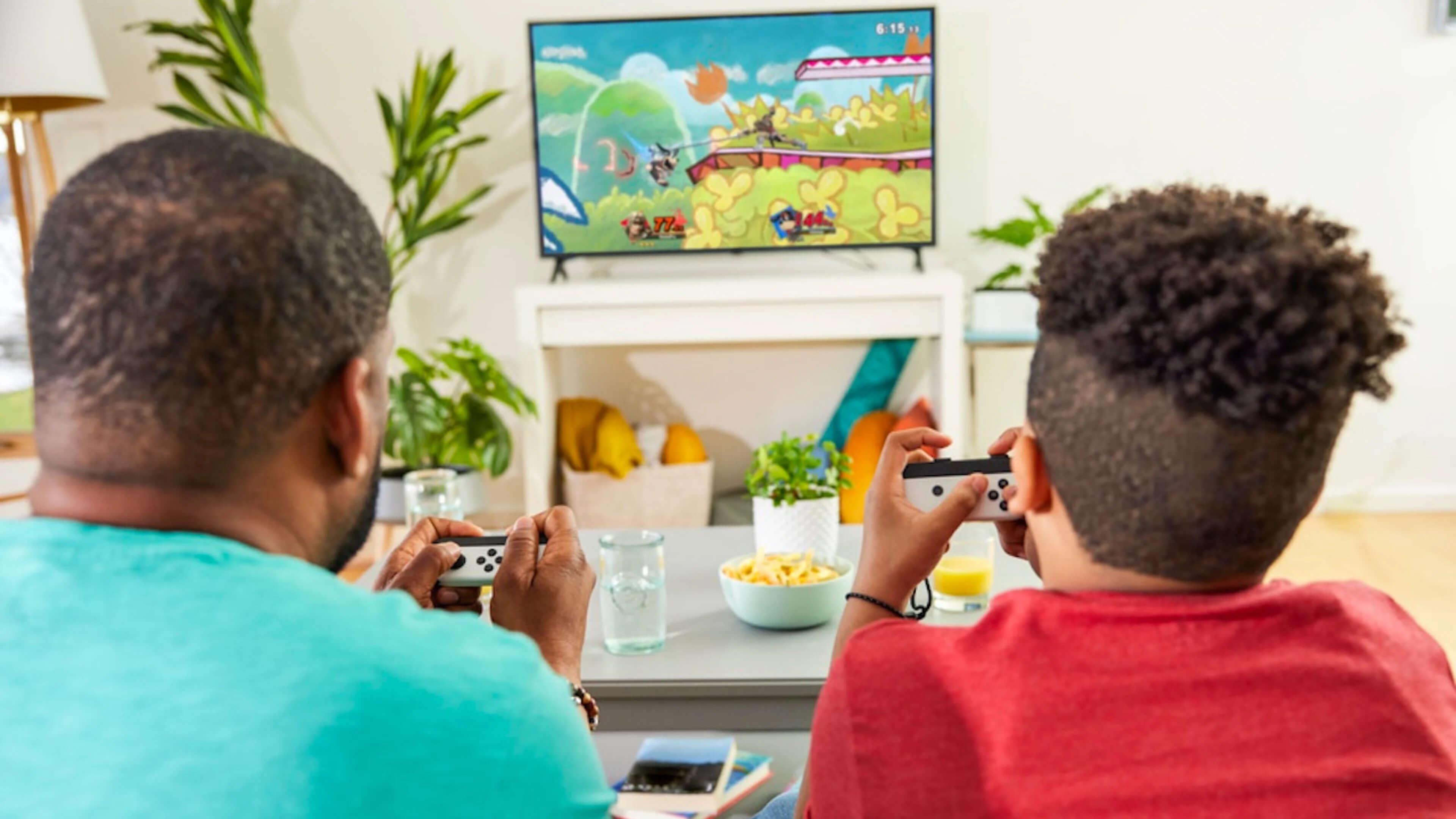
Modern family life can become busy with school, homework, work, household responsibilities, and digital entertainment. Finding meaningful ways to spend time together is therefore important for maintaining strong family connections. One simple solution is playing games together. Whether it is a quick indoor game, a puzzle, a stacking challenge, or a family competition, games can turn ordinary evenings into opportunities for conversation, laughter, and shared experiences.
Unlike activities where children simply watch or listen, family games encourage everyone to participate. Parents and children can work toward the same goal, solve challenges together, and enjoy friendly competition. These shared moments can become valuable memories while helping families communicate more naturally.
Why Family Games Matter?
Playing together gives parents and children something to focus on at the same time. Instead of everyone using separate screens or doing different activities, a game creates a shared experience.
Games can encourage children to communicate their ideas, ask questions, follow instructions, and express their feelings. Parents also get an opportunity to understand how their children think, react to challenges, and interact with others.
The activity itself does not have to be complicated. What matters most is spending quality time together without making the experience feel like another task on the daily schedule.
Games Encourage Better Communication
Communication is an important part of healthy family relationships. Games naturally create situations where parents and children need to talk to each other.
For example, a child may explain the rules of a game, suggest a strategy, or ask a parent for help. Parents can ask questions and encourage children to explain their decisions.
Simple conversations during play can help children become more comfortable expressing their thoughts and opinions.
Children Learn to Listen
Good communication is not only about speaking. Children also need to learn how to listen.
When playing a game, children may need to pay attention to instructions, wait for another player's turn, or understand what a sibling or parent is saying. These small experiences can help develop patience and active listening in a relaxed environment.
Family Games Teach Cooperation
Not every game needs to involve competition. Cooperative games allow parents and children to work toward a common goal.
A family might build something together, solve a puzzle, complete a challenge, or create their own game rules. Working together gives children an opportunity to understand the value of teamwork.
Parents can encourage cooperation by saying things such as:
“What should we try next?”
“How can we solve this together?”
This makes the child feel that their ideas are valued.
Friendly Competition Can Teach Valuable Lessons
Competitive games can also be useful when handled positively. Winning can be exciting, but learning how to lose gracefully is equally important.
Children may experience disappointment when they lose a game. Parents can use these moments to teach them that losing is part of playing and that mistakes can help us improve.
Over time, children can learn to:
- Handle disappointment
- Wait for their turn
- Follow rules
- Congratulate others
- Try again after making mistakes
- Enjoy the activity rather than focusing only on winning
These lessons can be useful beyond the game table.
Games Create Screen Free Family Time
Many children spend a significant amount of their free time using phones, tablets, computers, and televisions. While digital entertainment can have a place in family life, creating opportunities for offline activities can provide a useful balance.
Traditional games for kids can encourage hands-on interaction between family members. Parents can choose puzzles, board games, stacking challenges, memory activities, or other age-appropriate options.
The purpose is not necessarily to eliminate screens completely. Instead, families can create regular periods when everyone puts their devices aside and focuses on playing together.
Choosing Games for Different Ages
One challenge for families is finding an activity that everyone can enjoy. Younger children may prefer simple games with easy rules, while older children may enjoy more challenging activities.
Parents can consider games that offer different levels of difficulty or allow players to participate in different ways.
For families with children of different ages, it can also help to choose games where older children can assist younger siblings. This encourages cooperation and gives older children a sense of responsibility.
How to Make Family Game Night More Enjoyable
A family game night does not need to be a formal event. Even 20 or 30 minutes can be enough.
Here are some simple ideas:
Let Children Choose the Game
Allowing children to select an activity can make them more excited about participating. Parents can take turns choosing games so everyone gets a chance to pick.
Keep the Rules Simple
Complicated rules can quickly make younger children lose interest. Start with simple instructions and gradually introduce more challenging games as children become comfortable.
Avoid Making Everything About Winning
The goal of family play should be connection and enjoyment. Celebrate effort, creativity, teamwork, and good sportsmanship rather than focusing entirely on the final score.
Make It a Regular Habit
A weekly family game session can become something children look forward to. It does not have to happen on a specific day or last for hours. Consistency matters more than duration.
Games Can Encourage Creativity
Some games give children the opportunity to create their own stories, rules, or challenges. This type of open-ended play can encourage imagination.
Parents can even invent simple games using toys already available at home. For example, children can create an obstacle course, organize a treasure hunt, or make their own points-based challenge.
When parents participate instead of simply supervising, children often become more confident about sharing their ideas.
The Importance of Putting Phones Aside
Parents also play an important role in creating meaningful family time. If adults remain distracted by phones during a game, children may feel that the activity is less important.
Setting phones aside for a short period allows everyone to be fully present. It also demonstrates healthy habits around technology and attention.
Even a short period of undistracted interaction can make a difference in how connected family members feel.
Building Lasting Family Memories
Children may not remember every toy they received or every game they played, but they are likely to remember experiences they shared with their parents.
A funny moment during a game, a close competition, or a silly family rule can eventually become a story that everyone remembers. These small moments help create a sense of belonging and connection.
Family games are therefore not simply a way to pass time. They can become opportunities for parents and children to laugh, communicate, cooperate, and understand each other better.
Conclusion
Family games offer a simple and enjoyable way for parents and children to spend quality time together. They encourage communication, cooperation, patience, creativity, and healthy competition while providing a break from busy routines and digital distractions.
The best game does not have to be expensive or complicated. What matters is that everyone participates and enjoys the experience. By making time for regular family games, parents can create positive childhood memories while strengthening the connection they share with their children.
Sometimes, all a family needs for meaningful quality time is a simple game, a little space, and a willingness to play together.
 Turkish
 English
 Arabic
 French
 Spanish
 Portuguese
 Deutsch
 Dutch
Dutch
 Italiano
 Russian
 Romaian
 Portuguese (Brazil)
 Greek
Greek
