


How to Recognize Dermatologic Red Flags Before Performing Cosmetic Skin Treatments with Skincare Certification Online Knowledge
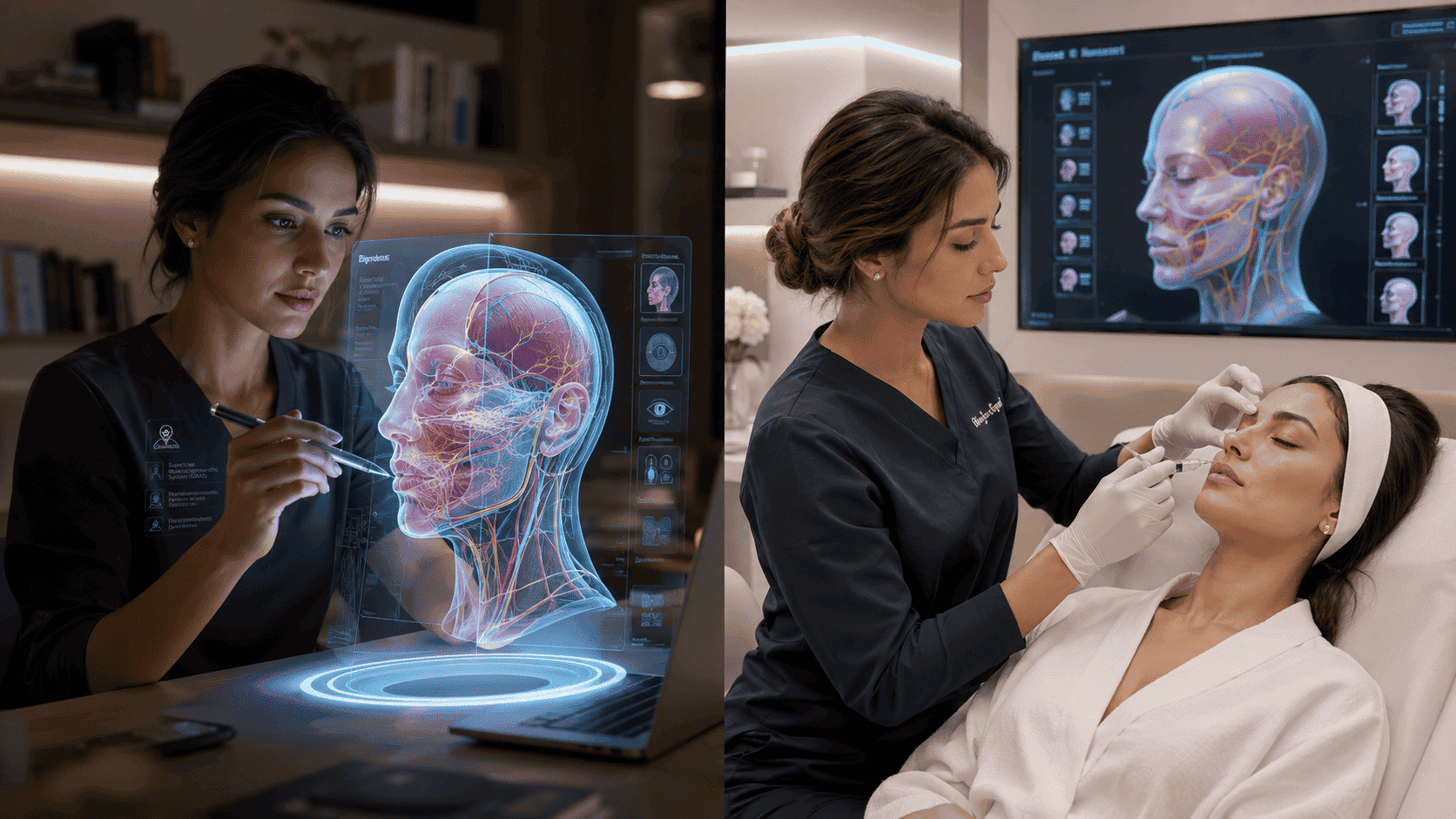
The growth of aesthetic medicine has created new opportunities for healthcare professionals to provide cosmetic skin treatments, but safe practice requires more than understanding procedures and products. Before performing any aesthetic treatment, professionals must be able to identify signs that may indicate an underlying dermatologic condition, active disease, or increased treatment risk.
Physicians, registered nurses, nurse practitioners, physician assistants, dentists, and other eligible healthcare professionals entering aesthetics must understand the importance of patient screening, skin evaluation, and appropriate referral decisions. Recognizing dermatologic red flags helps prevent complications and ensures that patients receive suitable care.
Many healthcare professionals interested in developing stronger clinical skincare knowledge explore skincare certification online programs to learn about skin anatomy, assessment methods, treatment considerations, and evidence-based skincare principles. While specialized education does not replace medical diagnosis or licensing requirements, it can help professionals build a stronger foundation for evaluating skin health before cosmetic procedures.
Aesthetic treatments should always begin with a thorough understanding of the patient’s skin condition, medical history, and treatment suitability. Identifying warning signs before treatment is an essential part of responsible aesthetic practice.
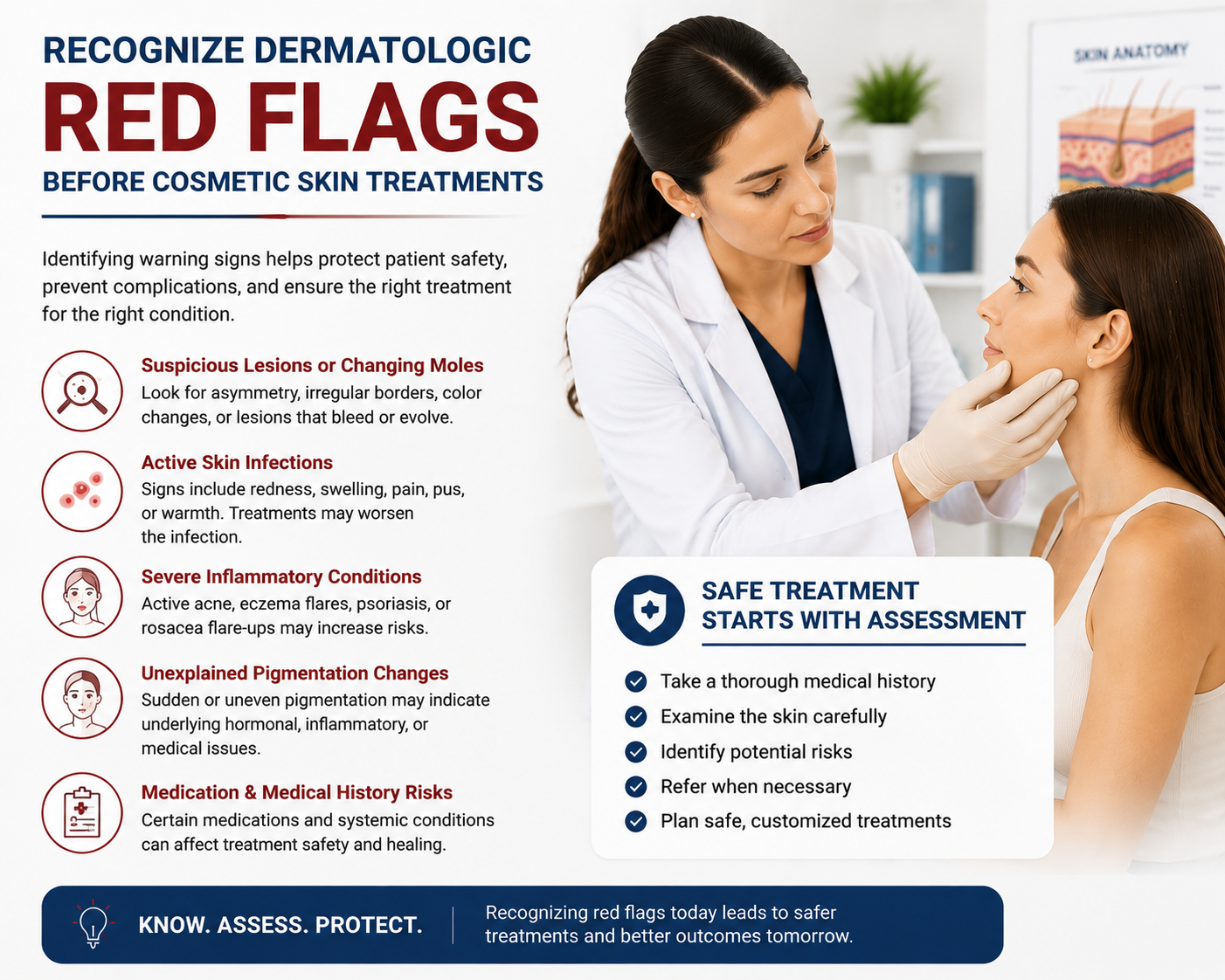
Why Dermatologic Screening Matters Before Cosmetic Treatments
Cosmetic procedures are often performed to improve concerns such as aging skin, pigmentation, acne scars, texture irregularities, and overall skin appearance. However, not every skin concern is appropriate for immediate aesthetic treatment.
Some visible skin changes may indicate:
-
Active dermatologic conditions
-
Infection or inflammation
-
Suspicious lesions
-
Allergic reactions
-
Medication-related skin changes
-
Conditions requiring medical evaluation
Performing cosmetic procedures on unsuitable skin can increase the risk of complications, including prolonged inflammation, pigmentation changes, delayed healing, or worsening of an underlying condition.
A proper skin assessment allows professionals to determine whether a patient is suitable for treatment, requires preparation before treatment, or should be referred to a dermatologist or medical provider.
Common Dermatologic Red Flags Aesthetic Professionals Should Recognize
Understanding common warning signs helps aesthetic professionals make better decisions during patient consultations.
1. Suspicious Moles or Changing Skin Lesions
Any unusual lesion that changes in size, shape, color, or appearance should receive careful evaluation before cosmetic procedures.
Professionals should be aware of warning signs such as:
-
Asymmetrical appearance
-
Irregular borders
-
Multiple colors within one lesion
-
Changes over time
-
Bleeding or unusual irritation
Procedures should not be performed over suspicious areas until appropriate medical evaluation has been completed.
2. Active Skin Infections
Patients with active infections may require medical management before undergoing aesthetic treatments.
Possible signs include:
-
Increased redness
-
Swelling
-
Warmth
-
Pain
-
Pus or drainage
-
Rapidly spreading irritation
Treatments such as chemical peels, microneedling, or device-based procedures may worsen certain infections or delay healing.
3. Severe Inflammatory Skin Conditions
Conditions involving active inflammation require careful assessment before cosmetic treatments.
Examples include:
-
Severe acne outbreaks
-
Active rosacea flare-ups
-
Eczema flare-ups
-
Psoriasis involvement
-
Contact dermatitis
Inflamed skin may have a compromised barrier, making it more vulnerable to irritation and complications.
4. Unexplained Pigmentation Changes
Pigmentation concerns are common among aesthetic patients, but sudden or unusual changes should be evaluated carefully.
Professionals should consider whether pigmentation may be related to:
-
Hormonal changes
-
Medication effects
-
Inflammation
-
Underlying dermatologic conditions
This is especially important when treating patients with skin of color, where post-inflammatory hyperpigmentation risks may require customized treatment planning.
How Skincare Certification Online Supports Better Skin Assessment Knowledge
A skincare certification online program can help healthcare professionals develop a stronger understanding of skin biology, assessment principles, and treatment considerations.
Professional skincare education may cover topics such as:
-
Skin anatomy and physiology
-
Common skin conditions
-
Patient consultation methods
-
Contraindications
-
Treatment planning
-
Cosmetic ingredient knowledge
-
Safety protocols
For healthcare professionals entering aesthetic medicine, this knowledge can improve their ability to recognize when a cosmetic treatment may not be appropriate.
However, education should always complement professional judgment, clinical experience, and regulatory requirements.
Patient Consultation: The First Step in Safe Cosmetic Treatment Planning
A detailed consultation is one of the most important steps before any aesthetic procedure.
A comprehensive consultation may include:
Medical History Review
Professionals should understand:
-
Current medications
-
Previous procedures
-
Allergies
-
Chronic conditions
-
History of skin reactions
Certain medications and health conditions may influence treatment decisions.
Skin Analysis
A proper assessment should evaluate:
-
Skin type
-
Texture
-
Pigmentation patterns
-
Sensitivity
-
Hydration levels
-
Signs of inflammation
Understanding the patient’s baseline skin condition helps determine appropriate treatment options.
Patient Expectations
Unrealistic expectations can affect treatment satisfaction. Professionals should discuss:
-
Expected outcomes
-
Recovery periods
-
Possible risks
-
Treatment limitations
Clear communication supports better patient relationships and ethical practice.
Red Flags Before Common Cosmetic Procedures
Different procedures require specific considerations before treatment.
Chemical Peels
Chemical peels may not be suitable for patients with:
-
Active infections
-
Open wounds
-
Severe irritation
-
Recent aggressive treatments
Proper patient selection and skin preparation are essential.
Microneedling
Before microneedling, professionals should assess:
-
Active acne lesions
-
Skin infections
-
Healing ability
-
History of abnormal scarring
Patients with certain conditions may require alternative approaches.
Laser and Light-Based Treatments
Laser procedures require careful evaluation because incorrect treatment parameters can increase risks.
Important considerations include:
-
Fitzpatrick skin type
-
Pigmentation history
-
Recent sun exposure
-
Medication use
-
Skin sensitivity
Understanding these factors supports safer treatment planning.
The Importance of Advanced Skincare Training for Healthcare Professionals
Modern aesthetic medicine requires professionals to understand both cosmetic goals and clinical safety.
Advanced skincare training can help healthcare providers develop knowledge related to:
-
Evidence-based skincare
-
Patient evaluation
-
Skin conditions
-
Treatment risks
-
Cosmetic procedure principles
-
Personalized treatment approaches
Healthcare professionals who understand dermatologic warning signs can make more informed decisions and provide safer patient experiences.
Choosing Quality Skin Care Courses Online
The increasing availability of skin care courses online gives professionals more options for continuing education. However, selecting a reliable program requires careful consideration.
Important factors include:
Clinical Depth
A strong course should cover scientific concepts rather than only product recommendations.
Qualified Instruction
Experienced educators can provide better understanding of skin conditions, assessment, and treatment principles.
Safety-Focused Curriculum
Training should address contraindications, complications, and patient selection.
Evidence-Based Approach
Educational content should reflect current scientific knowledge and responsible aesthetic practices.
Building Safer Aesthetic Practices Through Education
Recognizing dermatologic red flags is a critical skill for professionals involved in cosmetic skincare. Proper assessment helps determine when treatment is appropriate and when further medical evaluation is necessary.
Educational programs such as ABACT’s Skin Therapist Diploma provide structured learning opportunities for eligible healthcare professionals interested in professional skincare concepts, skin assessment, and aesthetic medicine education.
Conclusion
Identifying dermatologic red flags before cosmetic treatments is essential for safe and responsible aesthetic practice. A skincare certification online program can help healthcare professionals strengthen their understanding of skin conditions, assessment methods, and treatment planning principles.
While specialized skincare education does not replace medical licensing or clinical diagnosis, it provides valuable knowledge that supports better patient evaluation and safer decision-making.
By combining professional expertise, evidence-based education, and careful patient assessment, aesthetic professionals can provide more effective and responsible skincare services.
FAQs
1. Why is dermatologic screening important before cosmetic treatments?
Dermatologic screening helps identify skin conditions, infections, suspicious lesions, and other risks that may make cosmetic procedures unsafe or inappropriate.
2. Can aesthetic professionals diagnose skin diseases?
Diagnosis depends on professional licensing and scope of practice. Aesthetic professionals should recognize warning signs and refer patients to qualified medical providers when necessary.
3. What are common skin conditions that require caution before treatment?
Conditions such as active acne, rosacea flare-ups, eczema, infections, suspicious lesions, and unexplained pigmentation changes may require additional evaluation before treatment.
4. Does skincare certification online teach professionals how to identify skin problems?
Many healthcare-focused skincare programs include education about skin anatomy, common conditions, assessment principles, and treatment considerations. However, certification does not replace medical training or licensing.
5. What should healthcare professionals learn before performing cosmetic skin treatments?
Professionals should understand skin assessment, contraindications, patient history, treatment risks, skin types, and evidence-based skincare practices before providing aesthetic treatments.
 Turkish
 English
 Arabic
 French
 Spanish
 Portuguese
 Deutsch
 Dutch
Dutch
 Italiano
 Russian
 Romaian
 Portuguese (Brazil)
 Greek
Greek
