


Face Verification and NFC Identification: Strengthening Digital Identity Security
In today’s digital world, businesses need reliable methods to verify user identities and prevent fraud. Traditional verification methods are no longer sufficient to combat sophisticated cyber threats. This is where face verification and NFC identification play a crucial role. Together, these advanced technologies provide a secure, seamless, and efficient identity verification process for industries such as banking, fintech, healthcare, telecommunications, and government services.
What is Face Verification?
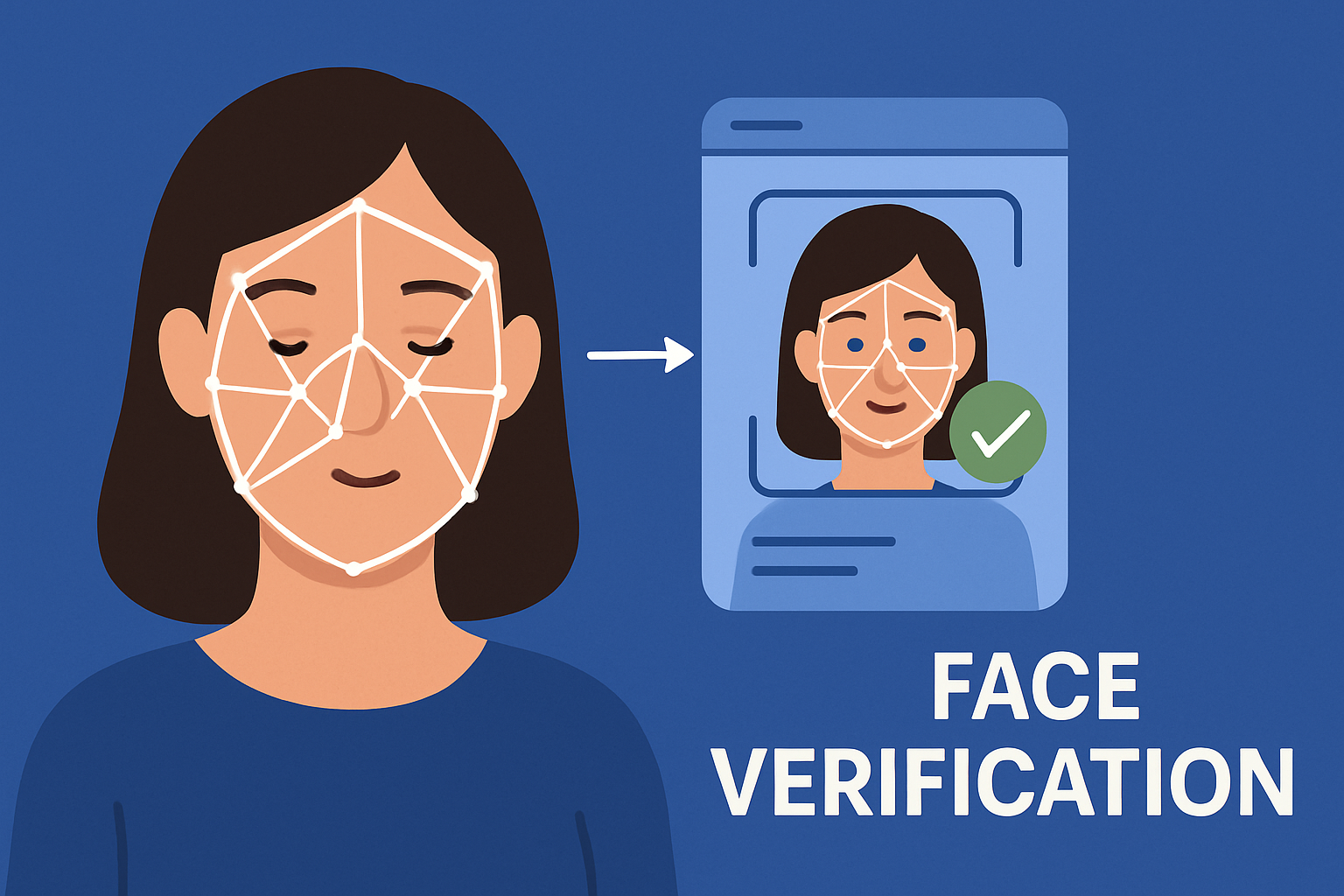
Face verification is a biometric authentication technology that compares a user's live facial image with the photo stored on an official identity document, such as a passport, driver's license, or national ID card. Using advanced artificial intelligence and facial recognition algorithms, the system determines whether both images belong to the same individual.
Face verification helps organizations:
- Prevent identity fraud and impersonation
- Enhance customer onboarding processes
- Improve user experience with quick verification
- Meet regulatory compliance and KYC requirements
- Reduce manual verification efforts
Modern face verification solutions often include liveness detection, ensuring that the user is physically present during the verification process rather than using a photo, video, or mask.
Understanding NFC Identification
NFC (Near Field Communication) identification is a secure method of reading data directly from NFC-enabled identity documents such as ePassports, electronic national IDs, and residence permits. These documents contain encrypted chips that store personal information and biometric data.
NFC identification enables organizations to:
- Verify document authenticity
- Access encrypted identity information securely
- Detect forged or tampered documents
- Improve trust in digital identity verification
- Accelerate customer onboarding procedures
Since the information is read directly from the chip, NFC identification provides a higher level of security compared to traditional document scanning methods.
Benefits of Combining Face Verification and NFC Identification
When face verification and NFC identification are integrated into a single identity verification workflow, they create a powerful multi-layered security solution.
Key advantages include:
Enhanced Fraud Prevention
Face verification confirms the user's identity, while NFC identification validates the authenticity of the identity document. This dual-layer approach significantly reduces fraud risks.
Faster KYC Compliance
Financial institutions and regulated businesses can streamline Know Your Customer (KYC) procedures by automating identity verification without compromising security.
Improved User Experience
Customers can complete identity verification remotely within seconds using their smartphones, reducing friction during onboarding.
Greater Accuracy
NFC chip data provides highly reliable identity information, while facial recognition technology ensures accurate biometric matching.
The Future of Digital Identity Verification
As cybercrime continues to evolve, businesses must adopt advanced verification technologies to protect customers and maintain regulatory compliance. The combination of face verification and NFC identification delivers a secure, efficient, and scalable solution for modern identity verification needs.
Organizations implementing these technologies can enhance trust, reduce fraud, improve operational efficiency, and provide a seamless customer experience. As digital transformation accelerates across industries, face verification and NFC identification will remain essential components of secure and reliable identity verification systems.

 English
 Arabic
 French
 Spanish
 Portuguese
 Deutsch
 Turkish
 Italiano
 Russian
 Romaian
 Portuguese (Brazil)
 Greek
Greek
