


When Hospital-Level Care Enters the Home: ICU Setup at Home and the Future of Personalised Recovery
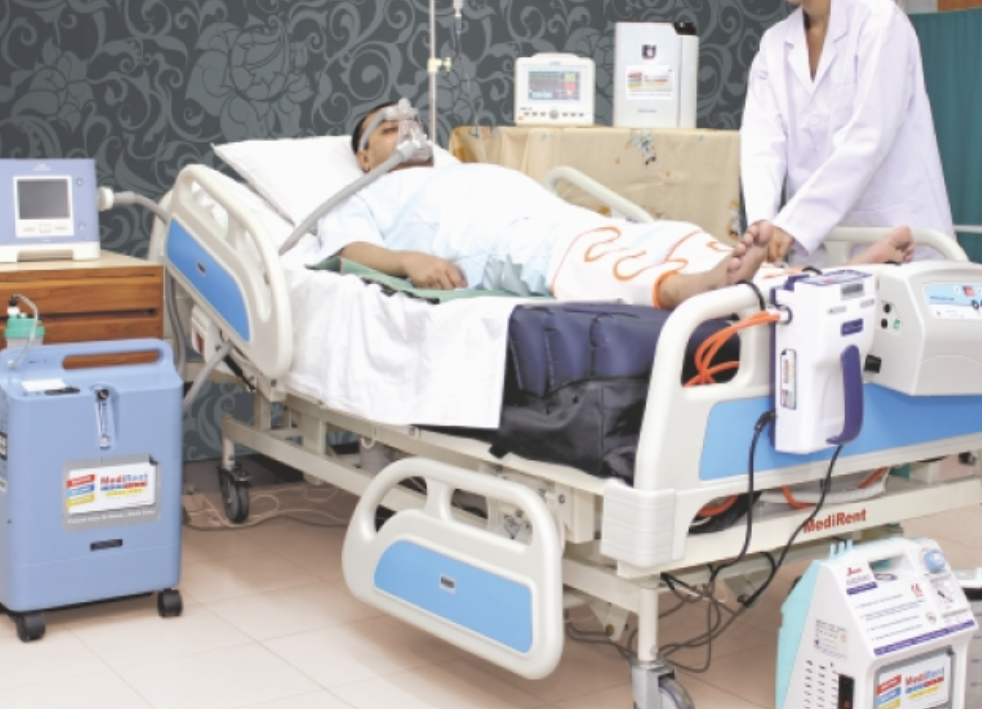
Critical care has traditionally been associated with hospitals, intensive monitoring, advanced medical equipment, and round-the-clock supervision. However, developments in professional home healthcare have created new possibilities for patients who require ongoing medical support after hospitalisation.
For medically suitable patients, home-based critical care can provide a structured care environment within familiar surroundings. ICU Setup at Home is not simply about placing medical equipment in a room. It involves clinical assessment, suitable equipment, trained healthcare professionals, safety planning, hygiene management, and continuous observation based on the patient's individual requirements.
When carefully planned, this approach can support patients who are stable enough to receive specialised care outside a traditional hospital environment.
What Does Home-Based ICU Care Involve?
A home ICU is a carefully organised medical care environment designed for patients who require close monitoring or specialised assistance.
The exact requirements vary depending on the patient's medical condition. Some patients may need respiratory support, while others may require regular monitoring, nursing care, medication administration, or post-operative supervision.
Depending on the clinical requirements, the setup may include:
- Adjustable medical beds
- Patient monitoring equipment
- Oxygen support systems
- Suction equipment
- Infusion support
- Vital signs monitoring devices
- Emergency medical equipment
The exact equipment should always be determined by qualified healthcare professionals. ICU Setup at Home should be personalised according to the patient's condition rather than based on a standard arrangement for every household.
Why Families Are Considering Critical Care at Home
Hospitals remain essential for emergencies, surgeries, intensive interventions, and patients who require advanced hospital facilities. However, once a patient becomes medically stable enough for home-based care, families may consider continuing treatment in a familiar environment.
Being at home allows patients to remain closer to loved ones and personal surroundings. This can provide emotional comfort during a difficult recovery period.
Family members may also participate more closely in the patient's daily care and communication with healthcare professionals.
ICU Setup at Home can support a smoother transition from hospital care to home-based medical management when the patient's treating medical team considers this approach appropriate.
Medical Assessment Must Come First
A home ICU should never be arranged simply by purchasing or installing equipment. The patient's medical condition must first be carefully evaluated by qualified professionals.
The assessment may consider:
- The patient's current medical condition
- Respiratory and cardiovascular requirements
- Monitoring needs
- Mobility and positioning requirements
- Medication and treatment requirements
- The risk of sudden health changes
- The suitability of the home environment
This assessment helps determine the level of care required and the equipment that should be arranged.
A properly planned ICU Setup at Home begins with clinical evaluation. This ensures that the care environment is designed around the patient's actual needs.
Creating a Safe and Practical Care Space
The room selected for home-based critical care should provide enough space for the patient, equipment, healthcare professionals, and family members when necessary.
The space should ideally have:
- Adequate ventilation
- Reliable electricity
- Sufficient lighting
- Easy movement around the patient
- Clean and hygienic surroundings
- Accessible entry and exit points
- Space for medical equipment
Equipment should be positioned carefully to reduce clutter and prevent accidental obstruction.
A well-organised ICU Setup at Home combines medical requirements with the practical realities of the patient's living environment.
The Importance of Patient Monitoring
Many patients receiving critical care require regular monitoring of vital signs. Depending on the medical condition, healthcare professionals may monitor oxygen saturation, heart rate, blood pressure, temperature, and respiratory status.
Monitoring helps identify changes in the patient's condition at an early stage. It also helps the medical team track progress and communicate important updates to the treating physician.
The frequency of monitoring depends on the patient's needs. Some patients may require continuous observation, while others may require monitoring at specific intervals.
This makes monitoring an important part of ICU Setup at Home because changes in the patient's condition can be identified and addressed more quickly.
The Role of Trained Nursing Professionals
Medical equipment alone cannot provide complete critical care. Trained healthcare professionals are essential for managing the patient's daily medical requirements.
Nursing professionals may assist with:
- Monitoring vital signs
- Administering prescribed medications
- Supporting personal hygiene
- Assisting with patient positioning
- Observing medical equipment
- Communicating with the treating team
- Identifying changes in the patient's condition
Professional nursing support can also reduce the pressure placed on family members.
In an ICU Setup at Home, trained professionals help create a structured care environment that provides consistent supervision and support.
Respiratory Support and Specialised Equipment
Some patients may require oxygen therapy or other forms of respiratory assistance. The equipment required depends on the patient's medical condition and the recommendations of the treating physician.
Other patients may require suction support, specialised monitoring, or additional medical devices.
Every piece of equipment should be used correctly and maintained appropriately. Healthcare professionals should also explain relevant safety procedures to family members and caregivers.
The equipment used for ICU Setup at Home should be selected according to clinical requirements and managed by appropriately trained professionals.
Maintaining Hygiene and Infection Control
Infection prevention is an important part of critical care. Patients who require intensive medical support may be more vulnerable to infections, making cleanliness especially important.
The care area should be kept clean, organised, and free from unnecessary clutter. Healthcare professionals and caregivers should follow appropriate hand hygiene practices and maintain medical equipment according to professional instructions.
Depending on the patient's condition, unnecessary visitors may also need to be limited.
Proper hygiene is an essential part of ICU Setup at Home and can help create a safer environment for patients receiving ongoing medical support.
How Families Can Support the Care Process
Family involvement can provide valuable emotional support during recovery. Familiar surroundings and the presence of loved ones may help patients feel more comfortable.
Family members can assist with appropriate non-medical activities, communicate with healthcare professionals, and observe changes in the patient's comfort or behaviour.
However, clinical procedures should only be performed by trained professionals or under suitable medical guidance.
A clear division of responsibilities can prevent confusion. Healthcare professionals should manage clinical care, while family members can provide emotional support and assist with appropriate daily activities.
This balanced approach is an important part of successful ICU Setup at Home.
Emergency Planning Should Always Be Prepared
Even when a patient is medically stable, families should be prepared for unexpected changes in condition.
An emergency plan may include:
- Important healthcare contact details
- Treating physician information
- Current medication details
- Existing medical conditions
- Emergency transportation arrangements
- Instructions for identifying warning signs
Family members should understand when immediate medical attention may be required and how to contact the appropriate healthcare professionals.
A clear emergency plan is an essential part of ICU Setup at Home because preparation can reduce confusion during unexpected situations.
Technology and the Future of Home-Based Critical Care
Modern medical technology has made it possible to monitor selected patients outside traditional hospital environments. Portable equipment and remote communication can support healthcare professionals in tracking patient progress.
However, technology should complement professional medical care rather than replace it. Equipment provides information, but trained professionals are required to interpret changes and make appropriate clinical decisions.
As home healthcare continues to develop, ICU Setup at Home may become increasingly personalised, with care plans designed around the patient's condition, home environment, and long-term requirements.
Who May Be Suitable for Home-Based ICU Care?
Home ICU care may be considered for selected patients who are medically stable but continue to require specialised monitoring, nursing support, or medical equipment.
This may include certain patients recovering after hospitalisation, individuals requiring long-term medical assistance, and patients whose treating doctors determine that home-based care is appropriate.
However, not every patient is suitable for home-based critical care. Individuals requiring immediate emergency intervention or advanced hospital procedures may need to remain in a hospital environment.
A detailed medical assessment is therefore essential before arranging ICU Setup at Home.
Conclusion
Home-based critical care is creating new possibilities for patients and families seeking structured medical support outside a hospital environment. With appropriate medical assessment, suitable equipment, trained nursing professionals, regular monitoring, hygiene practices, and emergency planning, selected patients may receive professional care within familiar surroundings.
ICU Setup at Home should never be viewed as simply transferring hospital equipment into a house. It requires careful planning, professional supervision, appropriate technology, and a personalised care plan based on the patient's medical condition.
When arranged responsibly and supported by qualified healthcare professionals, home-based critical care can provide patients with a more comfortable care environment while allowing families to remain closely involved in the recovery journey. The right combination of medical expertise, equipment, safety, and compassionate support can make home-based critical care a valuable option for medically suitable patients.
 Turkish
 English
 Arabic
 French
 Spanish
 Portuguese
 Deutsch
 Dutch
Dutch
 Italiano
 Russian
 Romaian
 Portuguese (Brazil)
 Greek
Greek
