


Battery Storage vs. Grid-Tied: Designing the Ultimate Local Solar Panel Installation
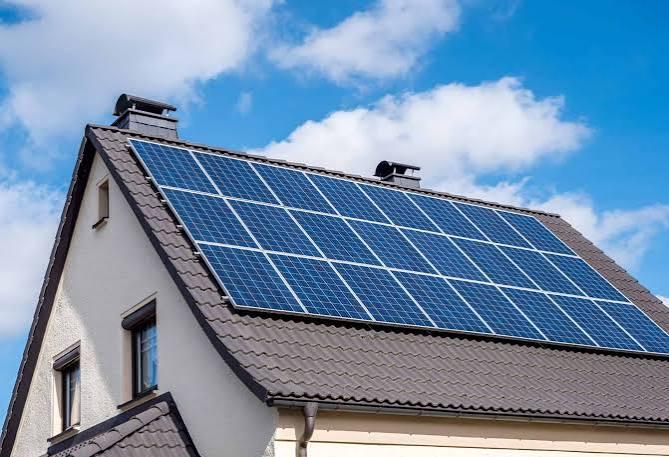
Transitioning a residential property to an independent clean energy platform is one of the most effective strategies available for locking in long-term household financial predictability. In a modern economic landscape regularly disrupted by rapid municipal utility rate hikes, unexpected grid delivery surcharges, and sudden transmission failures during extreme seasonal weather, producing your own electricity provides a robust layer of energy security. Engineered with zero internal moving components, modern photovoltaic arrays are explicitly designed to withstand harsh outdoor elements and generate clean power for up to three decades. However, once you decide to transition to solar power, you face a major design choice: should you build a streamlined grid-tied system, or invest in an advanced battery storage setup? Choosing the right architecture during the design phase of your local solar panel installation is the key to maximizing your long-term energy savings and ensuring your home stays powered through any grid emergency.
A residential solar station functions as a premium, heavy-duty electrical infrastructure asset that interfaces directly with your home's roof deck, structural rafters, main breaker panels, and the public utility grid. Because these systems handle high-voltage direct current (DC) power and utilize sensitive power conversion software, professional industry expertise is non-negotiable. Relying on uncertified general laborers, unpermitted door-to-door sales brokers, or cheap third-party contractors introduces severe operational risks. If your system is engineered poorly, you could experience roof structural sagging, dangerous electrical short circuits, or instantly void your valuable equipment protections. Partnering with a fully licensed, factory-certified specialist ensures that your local solar panel installation is customized to match your household's unique energy profile, keeping your home safe and your financial investment completely secure.
1. The Engineering of Grid-Tied Systems: Low Costs and Net Metering Dependability
A traditional grid-tied system is the most common and cost-effective design for residential solar energy. In a grid-tied setup, your solar array generates direct current (DC) power during the day, which your inverters instantly convert into alternating current (AC) electricity to power your home's appliances.
If your panels produce more power than your home needs, the excess electricity flows backward through your utility meter and out onto the public grid. Under a standard net metering agreement, your utility provider gives you credits for this excess power, which you can use to offset the cost of the electricity you draw from the grid at night.
The major advantage of a grid-tied system is its simple design and lower upfront installation cost. Because it does not require expensive battery banks, your initial investment goes directly into high-efficiency panels and inverters, leading to a much faster payback period.
However, grid-tied setups have a major limitation: for safety reasons, if the public utility grid goes down, your system must shut off instantly.
This prevents your panels from sending dangerous electricity down the lines where utility technicians might be working, meaning your home will lose power during a blackout just like everyone else on your block.
2. The Power of Battery Storage: Achieving True On-Site Energy Security
For homeowners who prioritize absolute energy security, adding an advanced battery backup system (such as a lithium iron phosphate energy storage bank) is the ultimate upgrade.
A battery-backed configuration creates a smart, semi-independent micro-grid right on your property.
Instead of sending your valuable excess daytime electricity back to the utility company for cheap credits, a hybrid system routes that power into your home storage batteries first.
Once the battery bank is fully charged, any remaining excess power can then be exported to the utility grid.
The Islanding Benefit: When a severe storm knocks out the main utility lines, a smart battery system engages in a technical process called islanding.
The system opens an internal disconnect switch to completely isolate your home from the dead utility grid in milliseconds.
Your solar array then continues to run safely, powering your lights, refrigerators, and medical equipment while keeping your family safe and comfortable during extended blackouts.
3. Financial Optimization: Beating Time-of-Use (TOU) Utility Rates
Beyond providing reliable backup power during emergencies, home energy storage serves as a powerful financial tool to defeat complex utility billing systems, such as Time-of-Use (TOU) rate structures.
In regions with TOU pricing, utility companies charge much higher rates for electricity during peak late-afternoon and evening hours—exactly when solar panels stop producing power.
Without a battery, you are forced to buy expensive power from the grid during these peak times.
With a smart battery storage system, your home automatically stops drawing grid power during expensive peak hours, running instead on the cheap energy stored in your batteries during the day.
Working with factory-certified experts to design your local solar panel installation ensures your system is programmed to manage these daily power shifts automatically, maximizing your monthly utility savings.
4. System Architecture Comparison: Grid-Tied vs. Battery Storage Systems
To help you choose the best design for your property, the table below highlights the core performance and financial differences between a streamlined grid-tied setup and an advanced battery storage system.
| Performance and Financial Evaluation Factors | Streamlined Grid-Tied Configuration | Advanced Battery Storage System |
| Upfront Installation Cost | Lower initial capital investment required | Higher initial cost due to battery hardware |
| Blackout Protection Status | No protection (System shuts off automatically) | Full protection (Seamless emergency backup power) |
| Time-of-Use (TOU) Optimization | Limited ability to avoid peak evening rates | High optimization; shifts power use automatically |
| System Design Complexity | Simple, streamlined electrical architecture | Advanced hybrid setup with critical load panel |
| Average Financial Return Period | Faster payback period (typically 5 to 7 years) | Slightly longer payback period; provides massive security |
5. The Professional Engineering, Custom Design, and Commissioning Sequence
Building an efficient, resilient solar array that meets strict local building codes requires factory-trained specialists to follow a rigorous engineering protocol.
The Professional Engineering and Installation Sequence
Conclusion: Securing Financial Certainty with Direct Local Experts
Entrusting your home's energy transition to uncertified handymen, general roofers, or high-pressure door-to-door sales networks introduces serious financial and structural dangers. Splicing high-voltage cables incorrectly, ignoring roof load limits, or using unpermitted hardware can cause catastrophic roof leaks, create dangerous electrical faults, and permanently void your equipment warranties.
Investing in a custom system designed and built by a trusted local solar panel installation provider offers absolute peace of mind and fully protects your long-term budget. Fully licensed, factory-trained local professionals have the advanced diagnostic tools, engineering talent, and direct manufacturer relationships needed to build a durable, high-yielding system safely and efficiently. By relying on fully insured local experts to manage your clean energy transition, you protect your home equity, keep your multi-decade warranties active, and ensure your property provides independent savings for decades to come.
 Turkish
 English
 Arabic
 French
 Spanish
 Portuguese
 Deutsch
 Dutch
Dutch
 Italiano
 Russian
 Romaian
 Portuguese (Brazil)
 Greek
Greek
