


Is Dismantling an Old Car Worth the Time and Storage Space?
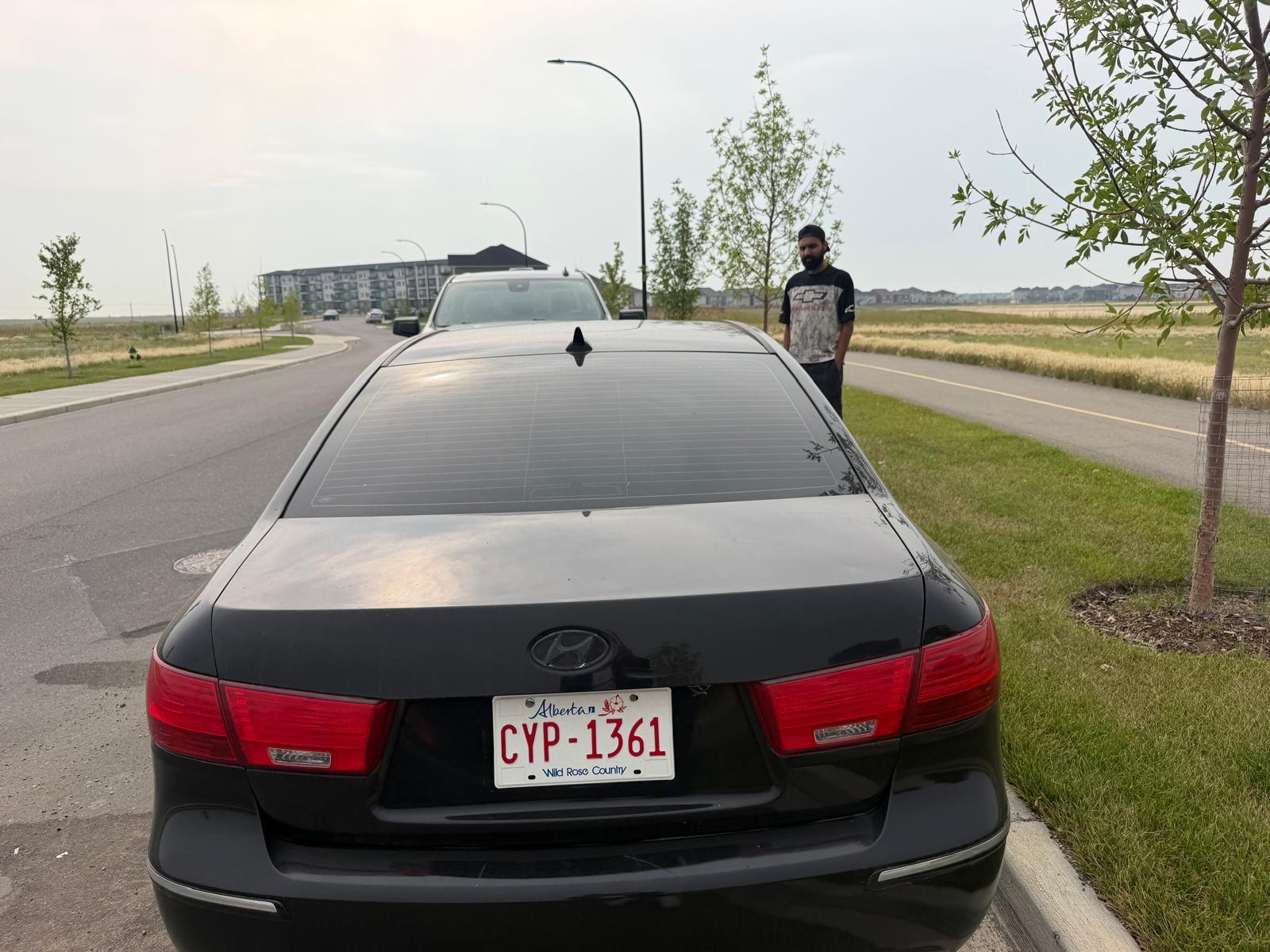
An old car sitting in your driveway can feel like an opportunity waiting to happen. The engine might still have some value, the wheels could be worth selling, and someone somewhere may need the exact parts your vehicle contains. Instead of selling the entire car, you might consider dismantling it piece by piece and earning money from individual components.
But there is another side to the idea. Dismantling a vehicle takes time, tools, mechanical knowledge, and somewhere to store everything you remove. Some parts may sell quickly, while others could occupy your garage for months without generating a single dollar.
So, is dismantling an old car worth the effort? It can be, but only when the expected return justifies the time, costs, and space involved. Before reaching for your toolbox, consider the following factors to decide whether parting out your vehicle is a smart financial move.
1. Understand What Your Old Car Is Actually Worth
The first step is identifying the potential value of your vehicle's individual components. Depending on its make, model, age, condition, and local demand, several parts might be worth selling separately.
Common examples include:
-
Engine and transmission: These can attract buyers when they are functional, compatible with popular models, and supported by reliable condition information.
-
Wheels and tires: Alloy wheels, usable tires, and complete wheel sets may interest drivers looking for affordable replacements.
-
Catalytic converter: This component can contain valuable metals, although its value varies significantly by vehicle and current market conditions.
-
Body panels and lights: Doors, mirrors, bumpers, headlights, and taillights may appeal to owners repairing similar vehicles.
-
Interior components: Seats, dashboards, switches, and infotainment systems can sometimes find buyers if they remain in good condition.
-
Electronic components: Alternators, starters, control modules, and other electrical parts may have resale potential when their compatibility and condition are clear.
However, identifying valuable parts is only the beginning. A component is not worth its advertised price unless somebody is willing to purchase it.
Before dismantling anything, research actual listings for your vehicle's make, model, and year. Compare similar parts, check how long listings have remained available when possible, and look for evidence of genuine buyer demand.
2. Calculate the Real Profit, Not Just the Potential Revenue
One of the biggest mistakes people make when parting out an old car is adding up the asking prices of its components and assuming that amount represents their profit.
Imagine that you estimate your vehicle's parts could generate $1,200 in total sales. That sounds attractive until you account for the expenses involved.
Consider this hypothetical example:
| Expense or return | Estimated amount |
|---|---|
| Total potential parts sales | $1,200 |
| Tools and dismantling supplies | -$100 |
| Cleaning, packaging, and listing costs | -$75 |
| Waste disposal and miscellaneous expenses | -$125 |
| Estimated amount remaining | $900 |
These figures are illustrative, not a market quote. They also exclude the value of your time, storage space, and any unsold components.
If you spend 30 hours dismantling the vehicle, photographing parts, answering messages, arranging collections, and packing orders, your remaining $900 works out to $30 per hour before accounting for storage and other overlooked costs. If several components never sell, the return falls further.
To make a sensible decision, compare your estimated net earnings with the amount you could receive by selling the complete vehicle. A slightly smaller payment today might be more attractive than uncertain income spread across several months.
For Calgary owners weighing up their options, requesting an offer through cash for cars in Calgary can provide a useful comparison before committing to a time-consuming dismantling project.
3. Storage Space Can Become Your Biggest Hidden Expense
Dismantling a car does not make it disappear. It turns one large object into dozens or hundreds of separate items that need to be organised and protected.
An engine may occupy a substantial section of a garage. Doors and bumpers need secure storage to avoid scratches. Electrical components must be protected from moisture, while small items such as switches, sensors, and fasteners need labels so they do not get mixed up.
If you have a large workshop or an unused outbuilding, this may not be a serious problem. However, if your garage already stores household belongings, your driveway is limited, or you pay for rented storage, the financial calculation changes.
Ask yourself three questions before starting:
-
Where will the removed parts be stored?
-
How long can you realistically keep them before they become a problem?
-
What will the space cost you if the parts remain unsold?
There is also an opportunity cost. A garage filled with unsold components cannot be used for parking, repairs, household storage, or another productive purpose.
A part that earns money eventually is not necessarily a profitable part if it occupies valuable space for too long.
4. Be Honest About the Time and Skills Required
Removing a few accessories from a vehicle is very different from dismantling an entire car. Major components may be heavy, seized, difficult to access, or connected to systems that require specialised equipment.
Even after removal, each part needs attention. You may need to clean it, identify its part number, photograph its condition, write an accurate description, and respond to questions from potential buyers.
Some buyers will ask whether a component works. Others will want compatibility information, additional photographs, or confirmation that it has no cracks, corrosion, or previous damage. Returns and disagreements can consume even more time.
If you enjoy mechanical work and already have the necessary tools, dismantling might be a worthwhile project. If you are learning as you go, the process may take much longer than expected.
Safety matters, too. Vehicles can contain hazardous fluids, sharp metal edges, heavy components, airbags, and pressurised systems. Fuel, refrigerant, and airbag-related work should be handled by appropriately trained people using suitable equipment. Never work beneath an improperly supported vehicle or dismantle potentially dangerous components without understanding the risks.
Before beginning, estimate the hours required for removal, sorting, advertising, sales, and cleanup. Your time is part of the cost, even if you do not pay yourself directly.
5. Not Every Vehicle Is a Good Candidate for Parting Out
Some old cars have strong demand for replacement parts. Others contain components that are difficult to sell because the model is uncommon, the parts are heavily worn, or newer alternatives are readily available.
Parting out may make more sense when:
-
The vehicle has several desirable, reusable components.
-
Major mechanical parts are known to work.
-
Your car belongs to a model with an active repair community.
-
You already have interested buyers.
-
You have suitable storage and enough time to manage sales.
Selling the complete vehicle may be more practical when:
-
The car is severely rusted or extensively damaged.
-
You cannot verify the condition of important components.
-
You lack space to store removed parts.
-
You need the vehicle gone quickly.
-
Most of its likely value comes from scrap metal rather than reusable components.
Remember that a vehicle's age alone does not determine its parts value. A common older model may have a healthy replacement-parts market, while a newer vehicle with major damage may offer fewer worthwhile opportunities.
6. Consider the Environmental and Disposal Responsibilities
Dismantling a vehicle also creates a responsibility to handle its remaining materials properly. Engine oil, coolant, brake fluid, fuel, batteries, refrigerants, and certain electronic components cannot simply be discarded with ordinary household rubbish.
Improper handling can damage the environment and create safety problems. Tires, batteries, metal components, and other materials may require separate recycling or disposal arrangements.
You should also consider what happens to the remaining vehicle shell after valuable parts have been removed. It still needs to be transported and processed, and collection may become more complicated once wheels, suspension components, or other essential parts are missing.
Check local requirements before starting, particularly if the vehicle is stored outdoors or you plan to sell scrap metal or dismantled components commercially. Keeping the vehicle intact until you have a clear removal plan can save considerable effort later.
7. Compare Parting Out With Selling the Complete Car
Before making a final decision, obtain a realistic estimate of what your entire vehicle could sell for in its current condition. Compare that figure with the expected net proceeds from dismantling.
For example, suppose a complete vehicle could bring in $500, while selling individual parts might generate $900 after expenses. The apparent difference is $400. If the additional work takes 25 hours, that difference represents only $16 per extra hour, before considering storage, unsold parts, and the disposal of the remaining shell.
In this situation, the extra effort may not be worthwhile.
For owners whose vehicles are no longer practical to repair or sell as usable cars, professional scrap car removal in Calgary is an alternative worth comparing. Request an offer based on the vehicle's actual condition and check the towing arrangements, paperwork, payment terms, and disposal process before agreeing to anything.
Getting a quote does not obligate you to accept it. It simply gives you a useful figure against which to measure the potential return from parting out your car.
8. A Simple Decision Checklist Before You Start
Before spending money on tools or removing the first component, work through this short checklist:
-
Have I identified the parts that are likely to sell?
-
Have I checked realistic selling prices rather than relying on asking prices alone?
-
Do I have a safe, suitable place to dismantle and store the vehicle?
-
Can I estimate my total costs and working hours?
-
Do I have a plan for parts that remain unsold?
-
Have I arranged legal, environmentally responsible disposal of fluids and the remaining shell?
-
Have I compared my expected profit with an offer for the complete vehicle?
If most answers are uncertain, pause before dismantling. A little research now can prevent a garage full of unsold parts and an unfinished project later.
Final Verdict: Is Dismantling an Old Car Worth It?
Dismantling an old car can be worthwhile when valuable components have genuine demand, you have the necessary skills, and storage is readily available. It can also be a satisfying project for someone who enjoys working on vehicles and does not need an immediate return.
However, it is rarely as simple as removing parts and collecting money. Time, storage, equipment, disposal, buyer communication, and the value of the remaining shell all affect the final result.
For most owners, the smartest approach is to research the parts market, calculate realistic net earnings, and obtain a whole-car offer before making a decision. If the difference is small, selling the complete vehicle may save days of work and free up valuable space.
The real question is not how much money every part could bring in. It is how much money you will actually keep after everything is finished, and whether that return is worth the effort.

 English
 Arabic
 French
 Spanish
 Deutsch
 Turkish
 Dutch
 Italiano
 Russian
 Romaian
 Portuguese (Brazil)
 Greek
