


Wood Laser Cleaner: Modern Surface Cleaning for Woodworking
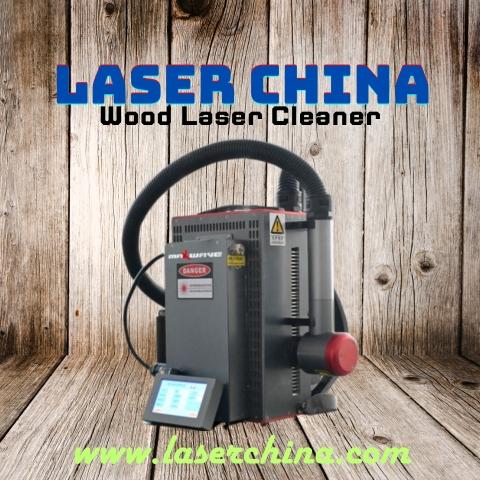
Wood is widely used in furniture manufacturing, construction, interior decoration, and artistic craftsmanship. Over time, wooden surfaces can accumulate dirt, paint, stains, and other unwanted coatings that affect their appearance and quality. Traditional cleaning methods often require chemicals, sanding, or manual scraping, which can be time-consuming and may damage delicate wood surfaces. Modern laser technology offers an alternative approach to surface treatment.
A Wood Laser Cleaner uses a controlled laser beam to remove unwanted materials from wood surfaces with precision. This technology is attracting attention from furniture manufacturers, restoration specialists, woodworking businesses, and industrial workshops seeking more controlled cleaning processes.
What Is a Wood Laser Cleaner?
A Wood Laser Cleaner is a specialized cleaning system designed to remove selected contaminants and surface coatings using laser energy. Depending on the material, coating, and machine settings, the laser can interact with unwanted layers while helping preserve the underlying wooden surface.
Unlike conventional cleaning techniques that rely on abrasive materials or chemical solutions, laser cleaning uses a focused beam of light. The energy can loosen or remove certain surface contaminants through processes such as ablation and thermal interaction.
However, wood is a combustible, heat-sensitive material. Successful cleaning requires suitable equipment, carefully adjusted power settings, controlled scanning speed, and appropriate safety measures. Testing is essential before treating valuable furniture, antique wood, or finished products.
Applications in Furniture Manufacturing
Furniture manufacturers must maintain consistent surface quality throughout production. Wooden tables, chairs, cabinets, doors, and decorative panels may require cleaning before refinishing, painting, or applying protective coatings.
Laser cleaning can help address selected surface contaminants and coatings when the wood type and treatment conditions are suitable. For example, workshops may investigate this technology for removing localized residues or preparing specific areas for further processing.
Before introducing laser cleaning into a production line, manufacturers should test samples from the same wood species and finish. Different woods respond differently to laser energy, and excessive exposure may cause discoloration, scorching, or surface damage.
Removing Paint and Surface Coatings
Removing old paint and coatings from wooden objects can be challenging, especially when the material contains intricate carvings or detailed decorative patterns. Manual scraping may leave uneven results, while aggressive sanding can remove valuable wood material.
A Wood Laser Cleaner may be suitable for selected coating-removal projects when the coating and substrate have been evaluated. The operator can adjust the cleaning parameters to control how the laser interacts with the surface.
Nevertheless, not every paint or varnish is suitable for laser removal. Some coatings can release hazardous fumes or particles when heated. Operators must identify the coating, evaluate potential hazards, and use effective extraction and filtration systems before beginning work.
Supporting Wood Restoration Projects
Restoration professionals often work with antique furniture, carved wooden decorations, historic doors, and architectural features. These objects may have irregular surfaces and delicate details that require careful treatment.
Laser cleaning may provide a controlled option for certain restoration tasks, particularly when conventional abrasive methods could remove too much material. Its suitability depends on the condition of the wood, the type of contamination, existing finishes, and the historical significance of the object.
Restoration specialists should begin with inconspicuous test areas and document the results. Valuable or historically significant objects may require consultation with a qualified conservator before any laser treatment is attempted.
Choosing the Right Laser Cleaning Equipment
Selecting appropriate equipment begins with understanding the intended application. Businesses should evaluate the type of wood, the contaminants to be removed, the surface area, and the level of precision required.
Important considerations include adjustable laser output, scanning control, operator protection, extraction compatibility, and access to technical support. The working environment also matters because laser systems require suitable installation, controlled access, and compliance with applicable laser safety requirements.
Companies comparing a Wood Laser Cleaner with conventional cleaning equipment should request demonstrations using representative wood samples. Testing helps establish realistic expectations for cleaning speed, surface appearance, and the risk of thermal damage.
Safety Considerations When Cleaning Wood
Woodworking environments require careful attention to fire prevention and airborne contaminants. Because wood can ignite, operators must never assume that laser cleaning is safe simply because the equipment is designed for surface treatment.
A proper operating procedure should include a suitable laser-controlled area, appropriate protective equipment, effective fume extraction, fire prevention measures, and continuous monitoring during operation. The machine should be used according to the manufacturer's instructions and applicable safety standards.
Operators should also consider the composition of paints, adhesives, stains, and other coatings before processing. Certain substances may produce harmful emissions when exposed to laser energy. Appropriate ventilation and filtration are essential, and the work area should be inspected for smoldering material after treatment.
Maintenance and Operating Practices
Regular maintenance supports consistent machine performance and helps reduce interruptions. Operators should inspect optical components, clean equipment according to the manufacturer's instructions, check cables and connections, and confirm that safety systems function correctly.
Keeping records of tested settings for different wood species and coatings can also improve repeatability. These records should include the laser parameters, scanning speed, number of passes, and observed surface condition.
Staff training is equally important. Employees should understand the equipment controls, material limitations, emergency procedures, and requirements for safe operation before using the system independently.
Final Thoughts
Laser technology is creating new possibilities for specialized wood surface treatment, furniture manufacturing, and restoration work. A Wood Laser Cleaner may help businesses handle selected cleaning tasks with precision when the material, coating, and operating conditions are appropriate.
The best results depend on careful equipment selection, sample testing, suitable extraction systems, and strict fire and laser safety practices. By evaluating their specific requirements and consulting experienced equipment suppliers, woodworking businesses can determine whether laser cleaning is a practical addition to their production or restoration processes.
 Turkish
 English
 Arabic
 French
 Spanish
 Portuguese
 Deutsch
 Dutch
Dutch
 Italiano
 Russian
 Romaian
 Portuguese (Brazil)
 Greek
Greek
